
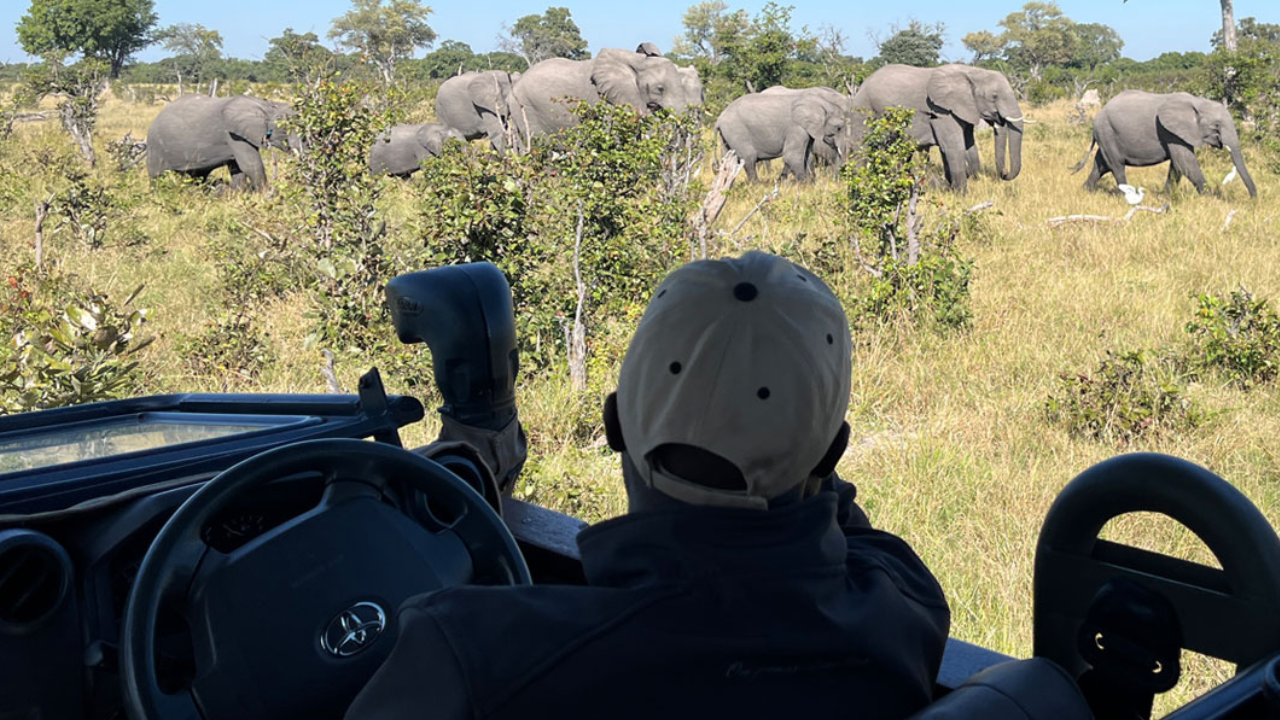
Few experiences compare to standing in the golden light of dawn, camera in hand, as herds of wildebeest move like rivers across the open plains. For wildlife photographers, both aspiring and professional, the Maasai Mara in Kenya and the Serengeti in Tanzania are bucket-list destinations. These two iconic reserves sit side by side, divided only by a border, yet together they form one of the most extraordinary ecosystems on the planet.
If you’re planning African safari tours, and photography is high on your list of priorities, this guide will help you prepare, pack, and perfect your shots in both locations.
Why the Maasai Mara and Serengeti Are a Photographer’s Dream
- The Great Migration: Every year, over 1.5 million wildebeest, zebras, and gazelles migrate in a circular journey between the Serengeti and Maasai Mara. This spectacle offers endless opportunities to capture dramatic river crossings, predator-prey interactions, and vast herds stretching to the horizon.
- Big Cats: Both reserves are known for their dense populations of lions, leopards, and cheetahs. You’ll have a chance to photograph these predators in action—sometimes even on a hunt.
- Varied Landscapes: From the acacia-dotted plains of the Serengeti to the rolling grasslands of the Maasai Mara, each backdrop tells a different story through your lens.
Choosing between Kenya safari tours and Tanzania safari tours is tough—many photographers opt to combine both for maximum variety.
Planning Your Photography Safari
- Timing Is Everything
- Best for Migration Crossings: July to October, when herds move into the Maasai Mara and cross the Mara River.
- Best for Calving Season: January to March in the southern Serengeti, when tens of thousands of wildebeest give birth—predators are never far away.
- Best for Fewer Crowds: April to June, when landscapes are lush after the rains and photography conditions are dramatic with moody skies.
If your priority is the migration, tailor your African safari tours around these seasonal movements.
- Choosing the Right Tour
Not all safaris are designed with photography in mind. When booking:
- Look for tours that limit vehicle occupancy—fewer people mean more room to maneuver your gear.
- Ask if vehicles are customized for photographers (removable roof hatches, beanbag rests, charging ports).
- Opt for guides experienced in working with photographers. A patient driver who understands lighting and positioning is invaluable.
Many Kenya safari tours and Tanzania safari tours now offer photo-specialist packages.
Essential Photography Gear for Safari
Cameras and Lenses
- Primary Camera Body: A DSLR or mirrorless with fast autofocus and good low-light performance.
- Telephoto Lens (400mm–600mm): Essential for close-ups of wildlife at a distance.
- Mid-Range Zoom (70–200mm): Great for portraits of animals in context, such as lions on termite mounds.
- Wide Angle (16–35mm): Perfect for landscapes, skies, and herd shots.
Support & Accessories
- Beanbag: Tripods are impractical in vehicles, so beanbags stabilize long lenses.
- Extra Batteries & Cards: Power can be scarce; carry at least 3–4 batteries and multiple memory cards.
- Dust Protection: The Mara and Serengeti can be dusty; use protective covers for cameras and lenses.
- Polarizing Filter: Enhances skies and reduces glare during midday shoots.
Photography Tips for the Maasai Mara & Serengeti
- Work With the Light
The “golden hours” (early morning and late afternoon) produce the most stunning wildlife images. Animals are also more active during these times. Harsh midday sun can flatten your images, but sometimes dramatic shadows create striking effects.
- Anticipate Behavior
Great shots often come from predicting action rather than reacting. Learn animal behavior:
- Lions usually hunt at dawn or dusk.
- Cheetahs may climb termite mounds to scout prey.
- Wildebeest often gather hesitantly at riverbanks before crossing—patience rewards you with dramatic action shots.
- Go Wide, Not Just Tight
It’s tempting to zoom in close, but wide shots show the grandeur of the environment. A herd of elephants silhouetted against the Serengeti sunset often speaks louder than a close-up alone.
- Capture People and Culture
Photography safaris aren’t only about animals. The Maasai people of Kenya and Tanzania welcome visitors to their villages. Documenting their traditions, beadwork, and dances adds human depth to your visual story.
- Tell a Story
Think of your safari as a visual narrative. Capture establishing shots (landscapes), character shots (individual animals), action sequences (hunts or crossings), and emotional details (mother and calf interactions).
Unique Challenges and How to Overcome Them
- Dust and Heat: Bring microfiber cloths and sealable bags. Wipe lenses often.
- Fast Action: Use continuous autofocus (AI Servo/AF-C) and burst mode for hunting scenes.
- Low Light: Predators are often most active at dawn/dusk; raise ISO as needed, but know your camera’s noise limits.
- Movement Restrictions: You’ll often shoot from inside vehicles—be creative with angles and compositions.
Sample Itineraries for Photography Safaris
- Classic Maasai Mara Focus (Kenya Safari Tours)
- Duration: 5–7 days
- Highlights: Mara River crossings, lion prides, cultural visits to Maasai villages.
- Serengeti Photographer’s Special (Tanzania Safari Tours)
- Duration: 7–10 days
- Highlights: Ndutu calving season, kopje landscapes, balloon safaris for aerial shots.
- Combined Mara & Serengeti Expedition
- Duration: 12–14 days
- Highlights: Covering both sides of the migration, plus Ngorongoro Crater and cultural add-ons.
Ethical Wildlife Photography
As photographers, we have a responsibility to minimize impact:
- Never pressure your guide to get dangerously close.
- Avoid flash photography—it startles wildlife.
- Respect cultural sensitivities when photographing local communities; always ask permission.
- Support lodges and tour operators involved in conservation and community projects.
Your images can inspire awareness and conservation—use them wisely.
Final Thoughts
Whether you choose Kenya safari tours in the Maasai Mara, Tanzania safari tours in the Serengeti, or a combined African safari tour spanning both, the opportunities for unforgettable photography are limitless. These lands are not just about capturing wildlife—they’re about witnessing timeless natural dramas and preserving them through your lens.
Pack your gear, hone your patience, and get ready. The Mara and Serengeti don’t just offer photo opportunities—they offer moments that will stay with you long after the shutter clicks.
At SafariVentures, we design Kenya and Tanzania safari tours that put you in the right place, at the right time, to capture the Big Five, the Great Migration, and the untamed beauty of East Africa.


