
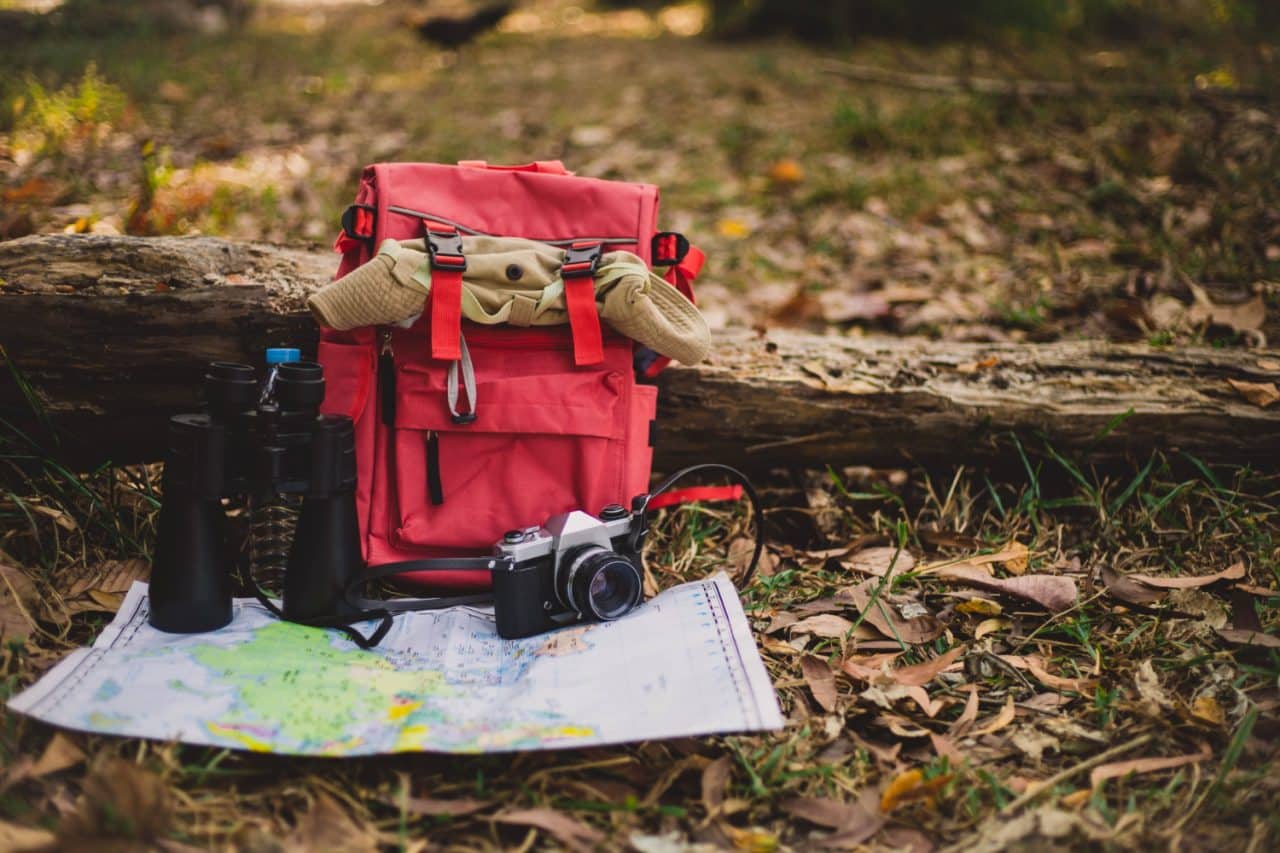
Packing for a safari is not a question of abundance. It is a question of control. First-time travelers often approach it like a long holiday in multiple climates, packing for uncertainty rather than structure. But safari travel is structured by design. You move between lodges, game drives, and controlled environments where repetition, not variation, defines your day.
The goal is not to prepare for everything. It is to carry only what actively improves your experience and remove everything that adds friction.
Key Takeaways
- Pack lightweight, neutral-colored clothing for comfort and environmental blending
- Prioritize documents, medication, and insurance over volume-based packing
- Use soft-sided luggage due to strict small-aircraft weight restrictions
- Focus on functional essentials rather than outfit variety
- Minimal packing improves mobility and overall safari experience
How Safari Packing Actually Works
A safari operates on rhythm. Early morning departures, long game drives, midday rest periods, and structured evening transitions create a predictable cycle.
This rhythm is important because it removes the need for excess. You are not dressing for multiple social settings or environments in a single day. You are dressing for comfort across repetition.
Most lodges also provide laundry services, which fundamentally changes how you should think about clothing volume. Instead of packing for variety, you pack for rotation.
Understanding this shifts the entire logic of your suitcase. Less becomes not just enough, but optimal.
Clothing Essentials
What You Actually Need
Clothing on safari serves three functions: temperature control, sun protection, and environmental neutrality.
Early mornings can feel cold, especially in open vehicles where wind exposure is constant. By midday, temperatures rise quickly. Evenings cool again. This fluctuation is why layering is more important than quantity.
The most effective approach is repetition with adaptability. A small set of interchangeable items will outperform a large, varied wardrobe.
Neutral tones such as khaki, olive, and beige are commonly recommended because they reduce visual contrast in natural environments and perform better under harsh sunlight.
If you are unsure how structured your itinerary will be, reviewing available safari packages can help you understand daily pacing and reduce uncertainty in clothing decisions.
What to Avoid
Overpacking clothing is not just inefficient, it creates friction across every stage of travel.
Heavy fabrics retain heat and become uncomfortable during midday drives. Bright colours are unnecessary and often impractical in natural environments. Excess outfits go unused because lodge routines rarely require frequent changes.
In practice, most first-time travelers use less than half of what they pack.
Footwear
Footwear on safari is defined by simplicity rather than variety.
The majority of wildlife viewing takes place from a vehicle. Walking is limited to lodge areas or short guided excursions depending on your itinerary.
This means your footwear strategy should prioritise comfort, stability, and ease of movement rather than specialised performance gear.
Well-cushioned walking shoes are typically sufficient for most itineraries. Lightweight sandals can be useful in camp settings where relaxation replaces activity.
Unless your itinerary includes specific trekking experiences, heavy hiking boots often add weight without meaningful benefit.
Travel Documents and Essentials
These items form the structural foundation of your entire journey. Without them, no other preparation matters. So it’s imperative to know which travel documents should be had.
Safari travel crosses multiple jurisdictions and often includes both international flights and regional connections. This makes documentation more important than in standard travel scenarios.
A valid passport with sufficient remaining validity is essential, along with any required visas depending on your destination country.
Travel insurance is not optional in practical terms, it is a safeguard against logistical disruption, medical emergencies, and travel delays in remote regions.
Vaccination requirements may vary by destination, so verification should be completed well before departure.
For a clearer understanding of entry logistics, timing, and associated costs, the African safari cost from USA guide provides a structured overview of what to expect financially and operationally.
Health and Personal Items
Health preparation on safari is about prevention, not reaction.
Access to medical facilities varies significantly depending on location, which makes personal preparedness important.
Basic medication for pain relief, allergies, or digestive issues should be included as a precaution. High-SPF sunscreen is essential due to prolonged sun exposure during game drives, which often occur in open vehicles without shade.
Insect repellent is particularly relevant in certain regions and seasons, especially during warmer or wetter months.
While lodges are generally well-equipped, carrying your own essentials ensures continuity regardless of location or availability.
Gear That Actually Adds Value
The difference between useful gear and unnecessary gear becomes clear once you understand how wildlife viewing works.
Visibility is often at a distance, which makes optical tools significantly more valuable than physical equipment. Binoculars enhance observation by bringing distant movement into clarity, especially during predator interactions or migration events.
Cameras or smartphones with strong zoom capability allow for documentation without requiring professional equipment. However, the emphasis should remain on observation rather than documentation.
Portable charging solutions are important because many remote lodges operate on limited or scheduled power availability.
If you are still deciding when to travel, reviewing the best time to go on an African safari can help align gear expectations with seasonal visibility conditions.
Luggage Rules Most Travelers Miss
Luggage constraints are one of the most underestimated aspects of safari travel.
Many safari routes include light aircraft transfers between parks and lodges. These flights typically enforce strict weight limits and require soft-sided luggage for storage efficiency.
Hard-shell suitcases are often impractical due to aircraft design limitations.
The most effective packing approach is compression-based rather than expansion-based. You are working within constraints, not against them.
If you exceed limits, the issue is rarely resolved at check-in without repacking or redistribution of weight.
Common Packing Mistakes
Packing for hypothetical scenarios
Most “just in case” items are never used and add unnecessary weight.
Overestimating clothing needs
Laundry availability reduces the need for volume significantly.
Ignoring regional flight restrictions
Small aircraft limits are stricter than international carriers and often enforced without flexibility.
Who This Packing Style Works Best For
This approach is designed for travelers who value efficiency, clarity, and mobility.
It works particularly well for first-time safari guests who want to reduce uncertainty and avoid logistical friction.
It is less suited to travelers who prefer extensive wardrobe variation or highly flexible, unstructured travel styles.
FAQ
How much luggage can I bring on safari?
Most regional safari flights allow approximately 15kg (33 lbs), including hand luggage.
Do I need special safari clothing?
No. Functional, neutral, and comfortable clothing is sufficient for most itineraries.
Can I do laundry on safari?
Yes. Most lodges offer laundry services, often included or available at low cost.
Conclusion
Packing for safari is not about preparation volume. It is about operational clarity.
Every item you carry should reduce friction, not add complexity. When packing aligns with how safari travel actually functions, the experience becomes lighter, smoother, and more focused.
Explore available safari options or review planning guides to transition from preparation into execution.


