How to Decide Based on What Matters Most to You
Ask ten guides for the best time for an African safari and you’ll get ten answers, most of them correct. That’s because the question has no single answer. It depends on what you’re optimising for, and Africa is large enough that the right month in one country is the wrong month in another.
So instead of a calendar, this guide gives you a way to decide. Work out what matters most to you, and the timing follows. If you’d like a straight month-by-month reference after that, the Best Time to Go page on our main menu is built for it. This page is for the step before that.
Quick answer
There’s no single best time. For the most wildlife, go late in the dry season: roughly June to October in East Africa and May to October in Southern Africa. For the Mara River crossings, go roughly July to October, or January to March for calving in the southern Serengeti. For lower prices and fewer vehicles, look at the shoulder and green seasons.
Start With the Rule That Holds Almost Everywhere
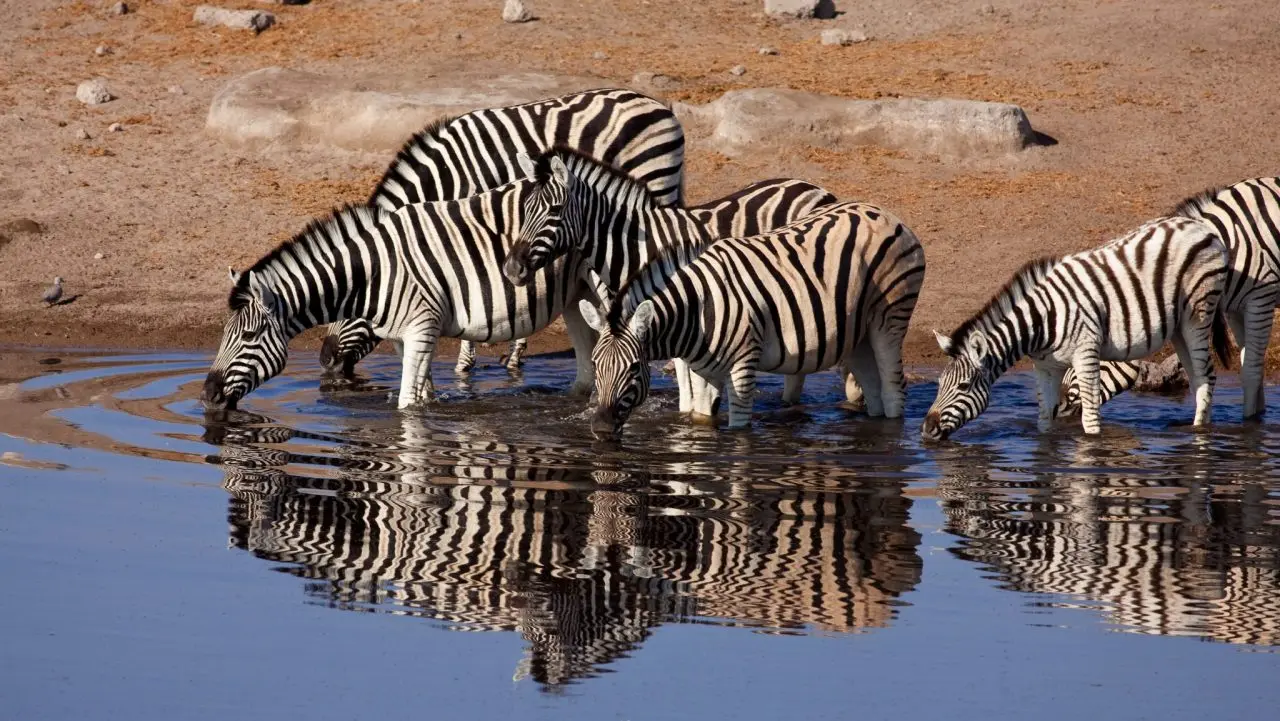
In most safari countries, the dry season is the easiest time to see wildlife. Vegetation thins out, animals gather around the water that’s left, and the roads are easier to drive. That’s why peak season almost always lines up with the dry months.
The rest of this guide is about when that rule bends, and why you might choose the wet season anyway.
If You Want the Most Animals
Go in the dry season, and go toward the end of it. As water sources shrink, wildlife concentrates, and sightings get easier and more frequent.
In East Africa, that means roughly June to October. In Southern Africa, it means roughly May to October, with Zimbabwe’s Hwange and Botswana’s Chobe River at their best in the last few weeks. The cost is that this is also when camps are fullest and rates highest.
If You Want the Migration
Here timing is specific, and it isn’t the same as the dry season. Calving season in Tanzania’s southern Serengeti runs roughly January to March. The Mara River crossings in Kenya and northern Tanzania happen roughly July to October. Dates shift with the rains from year to year.
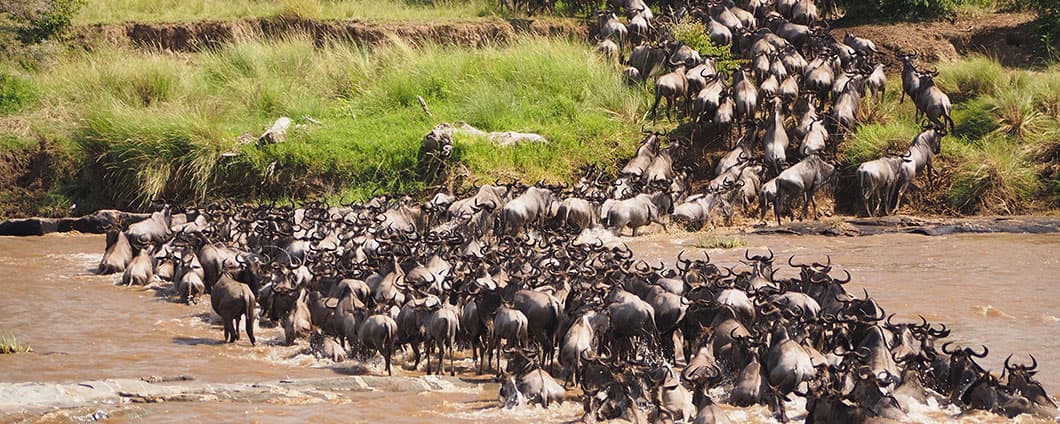
Our Great Migration guide explains the cycle, and the migration planning resource covers how to book around it. For the Kenyan side, see the Masai Mara safari guide and the Kenya safari guide. For Tanzania, see the Tanzania safari guide.
If You Want Fewer Vehicles at Every Sighting
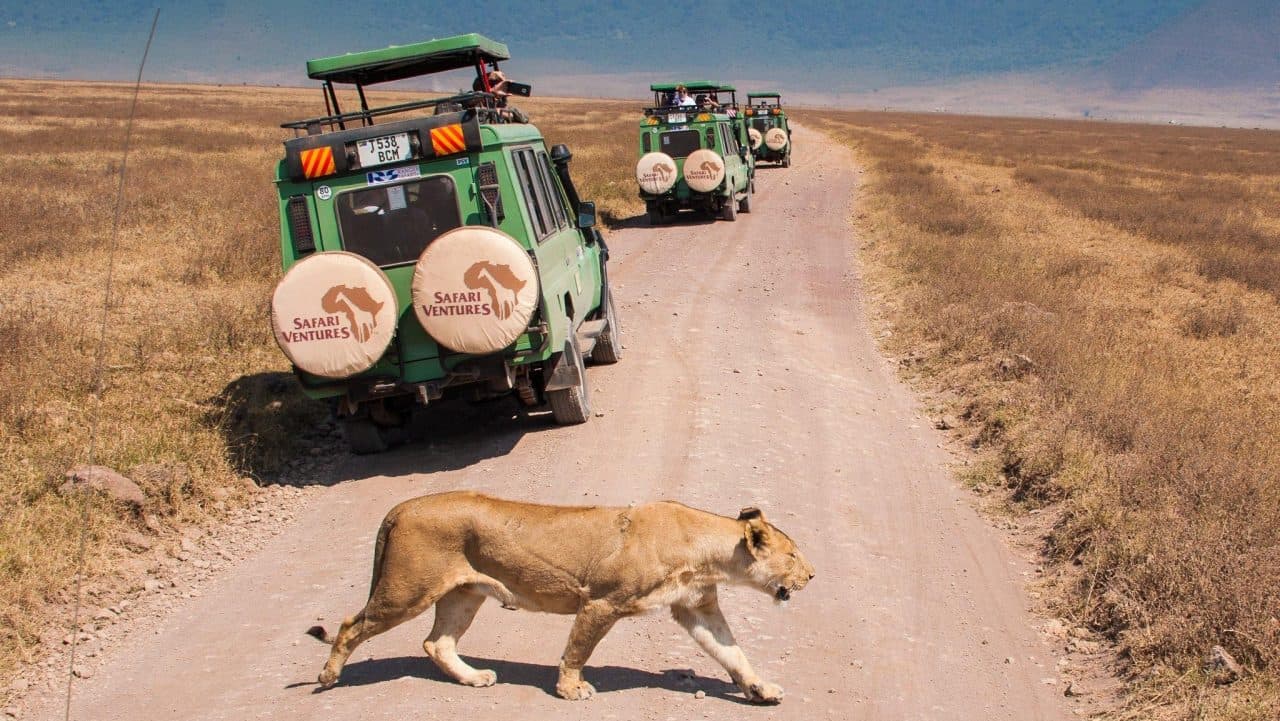
Look at the shoulder seasons, the weeks either side of peak. In East Africa that’s often late May to June or November. You’ll still see excellent wildlife, and the reserves feel noticeably quieter. Conservancies, which cap vehicle numbers all year, are a good answer too, whatever the month.
If You Want the Best Value
The green season, roughly November to April in much of Southern Africa and the long rains in East Africa, brings lower rates and empty roads. Wildlife is more spread out and the bush is thicker, so sightings take more patience. Newborn animals and dramatic skies are the reward. It suits travellers who’d rather have space and a lower bill than a guaranteed list of sightings.
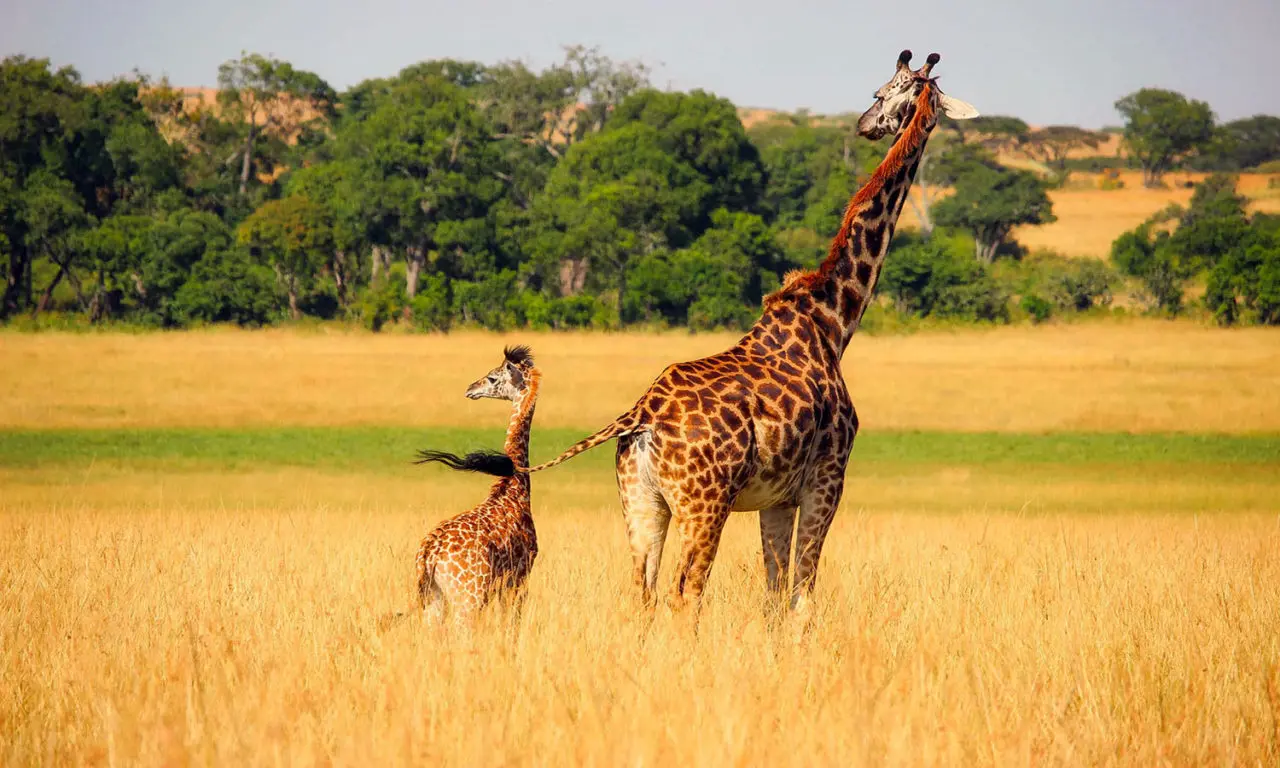
One caution: some camps close entirely in the wettest months, particularly in Zambia’s South Luangwa, so check operating dates before you plan around them.
If You Want Gorillas
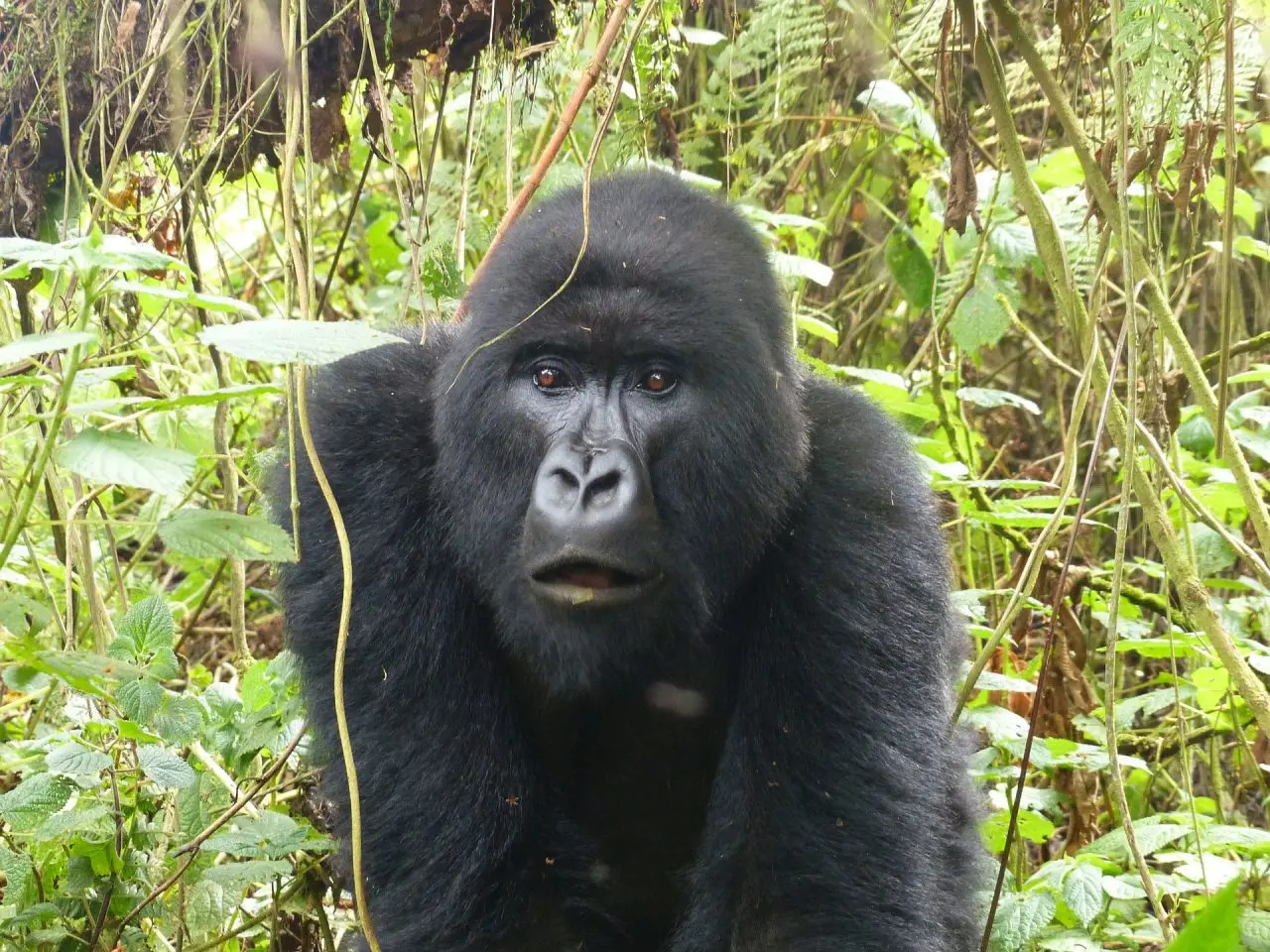
Gorilla trekking runs all year in Rwanda and Uganda. The two dry seasons, roughly June to September and December to February, make for easier, less muddy trekking. Permits sell out earliest for those windows. See Rwanda vs Uganda gorilla trekking if you’re still choosing between the two.
If You Want Water and Landscape
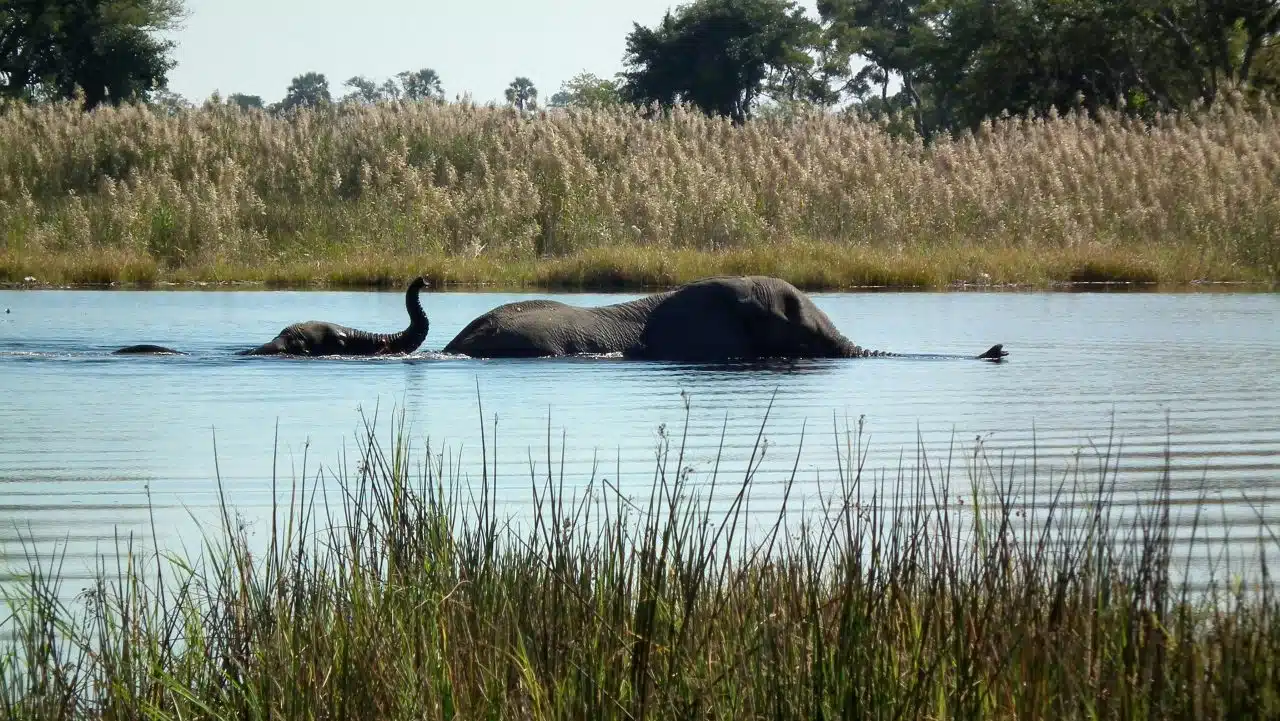
Botswana’s Okavango Delta floods in the dry season, which is the opposite of what most people expect. The water peaks roughly May to September, so that’s when mokoro trips and boat safaris are at their best. See the Botswana safari guide. Namibia’s dunes and Etosha’s waterholes are at their best in the dry months too, and our Namibia safari guide covers how to handle the heat.
If You’re Travelling With Children, or With Limited Mobility
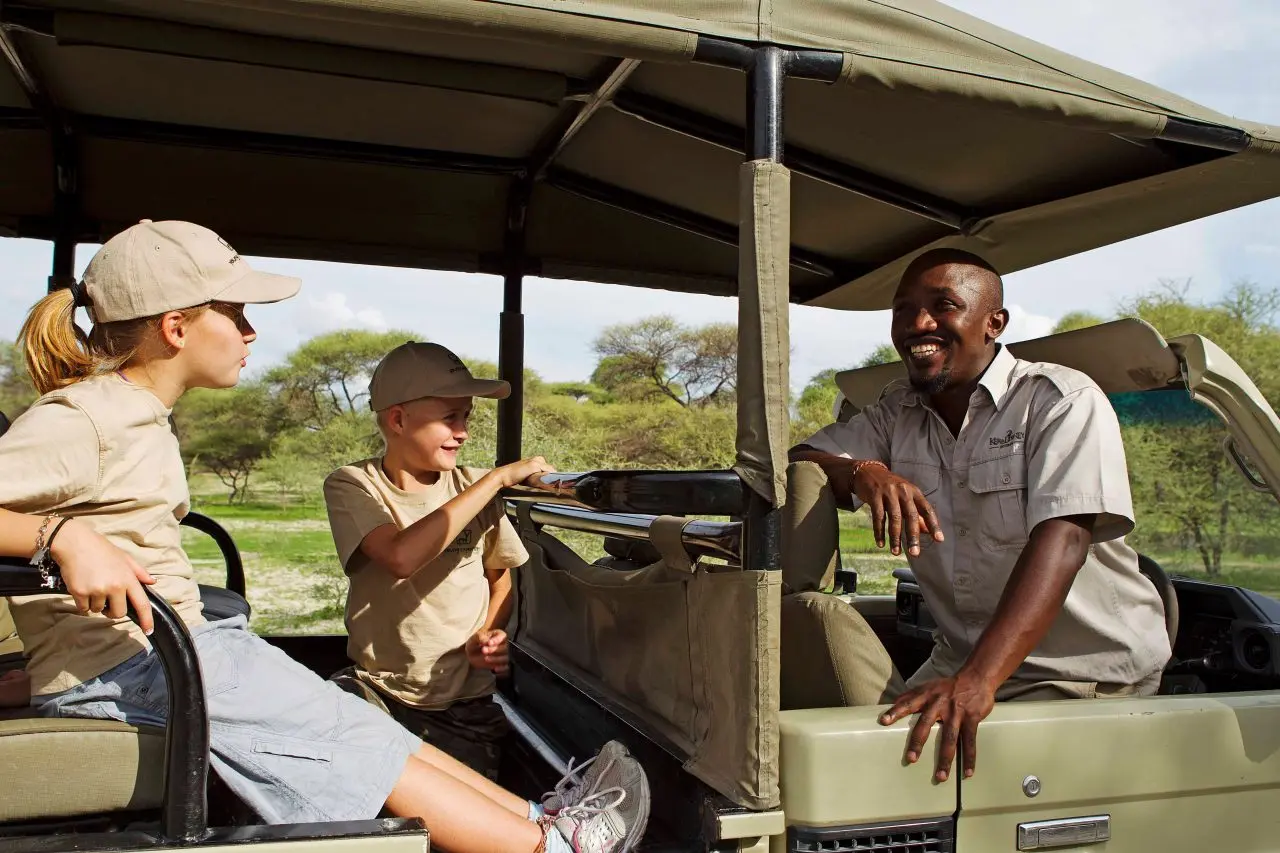
Cooler, drier months make for more comfortable days, but shoulder seasons can be gentler on budgets and crowds. Tell us who’s travelling, and we’ll flag the camps and timings that suit them best.
Frequently Asked Questions
When is the best time for an African safari?
For the most wildlife, the dry season, and especially the end of it. That’s roughly June to October in East Africa and May to October in Southern Africa, when animals gather around the remaining water.
When is the best time to see the Great Migration?
Calving season in Tanzania’s southern Serengeti runs roughly January to March. The Mara River crossings in Kenya and northern Tanzania happen roughly July to October. Dates shift with the rains each year.
When is the cheapest time to go on safari?
The green season brings lower rates and empty roads. That’s roughly November to April in much of Southern Africa, and the long rains in East Africa. Wildlife is more spread out, so sightings take more patience.
When is the best time for gorilla trekking?
Gorilla trekking runs all year in Rwanda and Uganda. The dry seasons, roughly June to September and December to February, make trekking easier and less muddy, so permits sell out earliest then.
Is there a month-by-month guide?
Yes. See our month-by-month safari guide for what to expect in each month.
Putting It Together
Pick your top priority from the list above and ask whether it conflicts with any of the others. Wanting both the migration crossings and fewer vehicles, for example, pushes you toward conservancies. Wanting both low prices and big game numbers is harder, and usually means choosing one.
For how the pieces fit by region, the East Africa safari guide and Southern Africa safari guide set out the seasons country by country. If you’re still choosing a destination, start with the first safari in Africa guide.
Not sure which season suits you? Tell us what matters most and we’ll match the timing to your trip.