The Okavango Delta, Chobe and the Kalahari
Most rivers flood when it rains. The Okavango does the opposite, floodwater that falls in Angola’s highlands takes months to travel south, so the delta at the heart of a Botswana safari actually peaks in the dry season, turning parched Kalahari sand into a maze of channels, lagoons, and islands just when the rest of the region is at its driest.
That timing quirk is central to what makes Botswana distinct, and it shapes almost everything about how a trip here gets planned.
The Okavango Delta
The delta covers around 15,000 km² at full flood, though the exact figure shifts with the water each year. Getting around by mokoro, a traditional dugout canoe, poled quietly through the reeds by a local guide, is as much a part of the Okavango experience as the wildlife itself, and it puts visitors closer to the water, and often closer to the animals, than a vehicle ever could.
Botswana’s tourism model here leans deliberately toward low-volume, high-value visits: fewer camps, higher rates, and a conscious effort to limit environmental impact on a genuinely fragile ecosystem. It’s a different economic logic from the reserve-based models further north, and it’s part of why a Botswana safari tends to carry a higher price tag than equivalent trips elsewhere in the region.
Chobe National Park
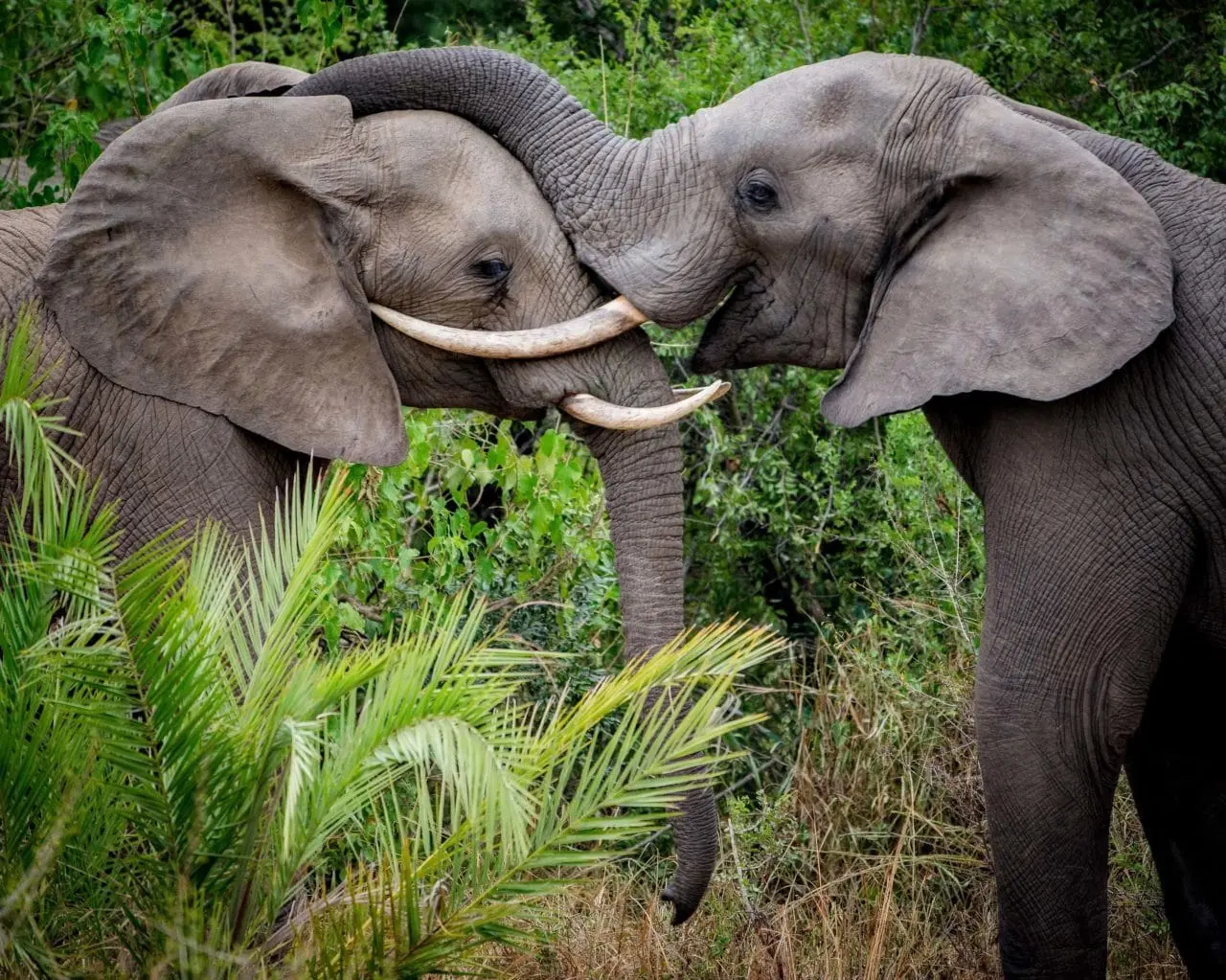
Chobe, in the country’s north, holds one of the largest elephant populations in Africa, estimates run well into six figures across the wider ecosystem. The Chobe River itself is the main draw, particularly during the dry season when elephants, buffalo, and a wide range of other species concentrate along its banks in numbers that are hard to find anywhere else.
Boat safaris along the river offer a genuinely different vantage point from a standard game drive, putting visitors at water level with herds that come down to drink.
The Central Kalahari
Away from the delta and the river systems, the Central Kalahari Game Reserve offers something starker: vast, open desert country, home to black-maned lion, brown hyena, and some of the last semi-nomadic San communities still living traditionally within a protected area. It’s a quieter, less-visited part of the country, and it rewards travellers looking for space and silence over guaranteed high-density sightings.
Best Time to Visit Botswana
The Okavango Delta floods roughly May through September, which is also Botswana’s dry season overall, the combination makes this the peak period for both the delta and Chobe, when wildlife concentrates most predictably around remaining water. The wetter months from November to March bring dramatic skies and newborn wildlife, but with more dispersed animal movement and higher humidity.
Pairing Botswana
Botswana pairs naturally with Namibia for travellers drawn to landscape and scale over sheer density of sightings, see the Southern Africa safari guide for how the wider region fits together, including how Botswana compares with South Africa, Zambia, and Zimbabwe.