
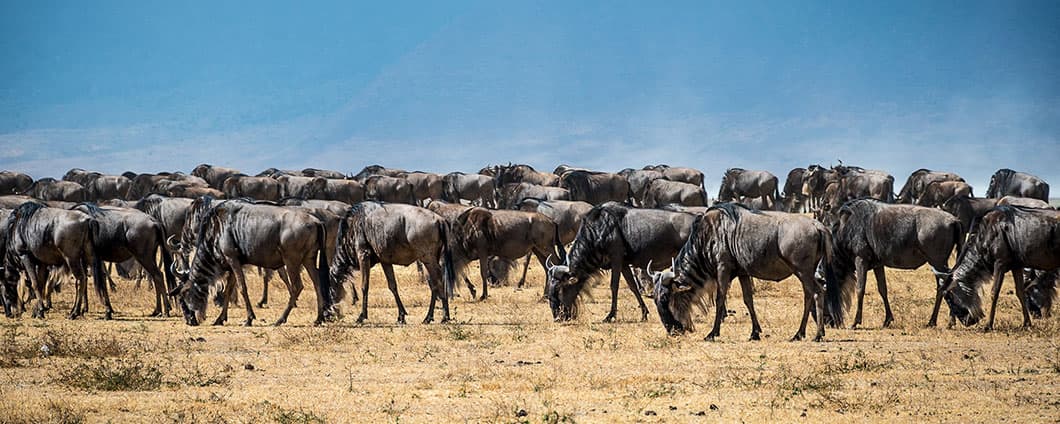
An East Africa safari rarely means just one country. Kenya and Tanzania share the same migration corridor. Rwanda and Uganda share the same volcanic highlands and the same mountain gorillas. Ask ten seasoned safari-goers where “East Africa” begins and ends, and you’ll get ten different answers, which is really the point. This is a region built on movement, not borders.
What ties it together isn’t sameness. It’s range. Within a few hours’ flight of each other, you can watch two million wildebeest thunder across open grassland, sit ten metres from a silverback in misty bamboo forest, and track chimpanzees through rainforest canopy. Few regions on earth pack that much ecological contrast into one trip.
This guide breaks down what each of the four core countries does best, so you can work out where to start, or how to combine them.
Kenya: The Original Safari Country
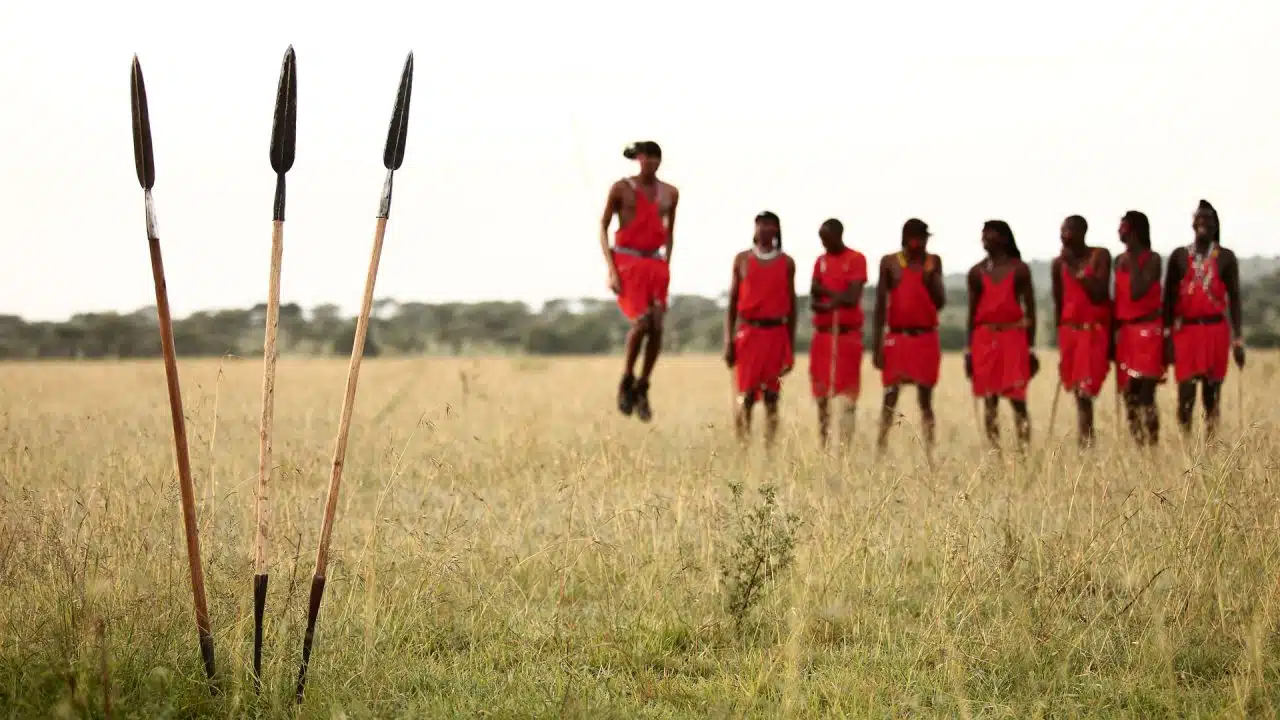
Kenya is where the word “safari” — Swahili for journey — first became shorthand for an African wildlife holiday, and the Masai Mara is still the country’s headline act. Roughly 1,510 km² of open savanna hosts the final act of the Great Migration each year, when the herds cross from Tanzania’s Serengeti in search of fresh grazing.
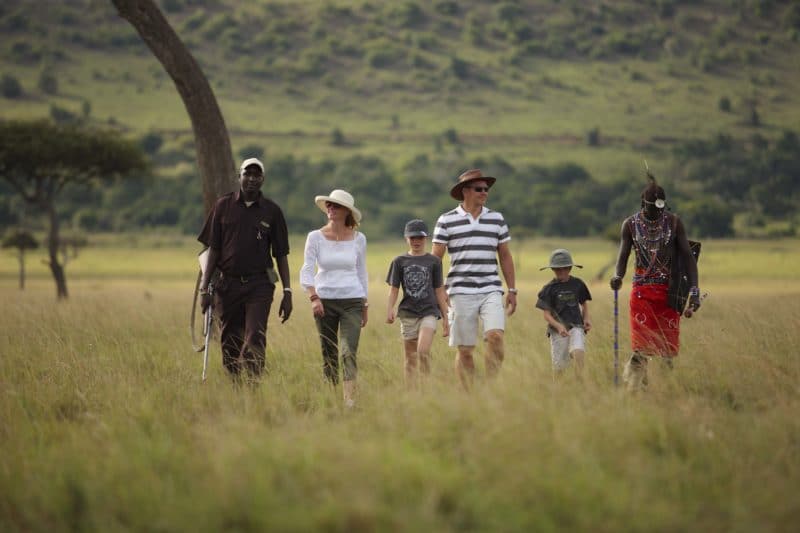
What sets Kenya apart today isn’t just the Mara, though. It’s the conservancy model that surrounds it, private, community-owned land bordering the reserve where vehicle numbers are capped and off-road driving is permitted, giving a quieter, more intimate version of the same wildlife. Laikipia, further north, takes that model even further, blending rhino conservation with cattle ranching and community ownership in a way few other regions attempt.
Read the full Kenya safari guide for a breakdown of the Mara, the conservancies, and Amboseli’s elephant herds beneath Kilimanjaro.
Tanzania: Scale and the Migration's Main Stage
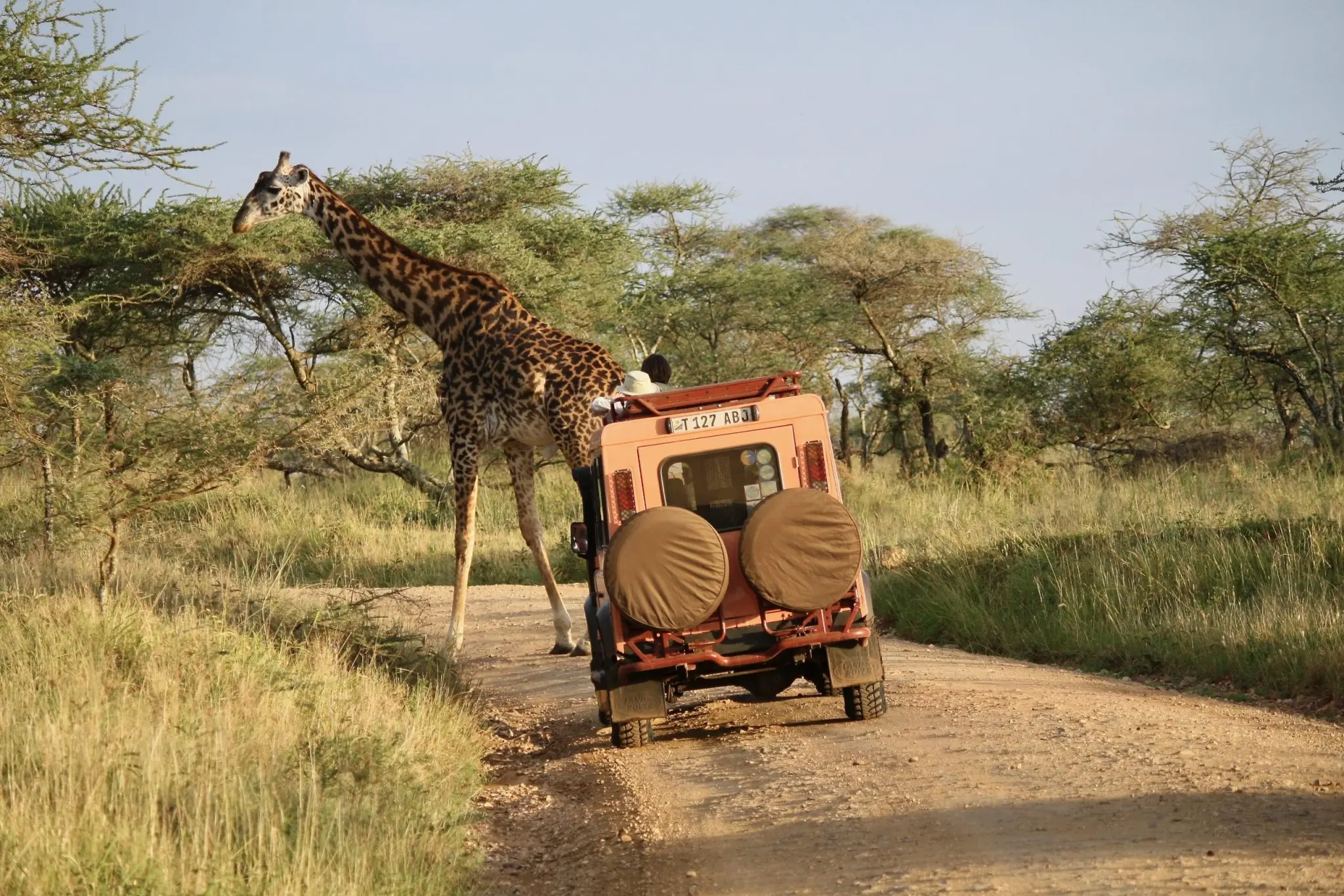
If Kenya is the finale, Tanzania is most of the story. The Serengeti alone covers close to 14,750 km² — nearly ten times the size of the Mara — and for most of the year, it’s here that the migration actually plays out: the calving season in the southern plains between January and March, then the long push north through the Grumeti and Mara River systems from June onward.
Ngorongoro Crater, a collapsed volcanic caldera roughly 260 km² across the floor, packs an extraordinary density of resident wildlife into a self-contained bowl — one of the few places where sighting all of the Big Five in a single day is genuinely realistic. Further south, Ruaha and Nyerere National Park offer the same drama with a fraction of the vehicle traffic, for travellers willing to go further off the well-worn route.
Read the full Tanzania safari guide for migration timing month by month and where to find Tanzania’s quieter southern circuit.
Rwanda: Gorillas in the Mist, Genuinely
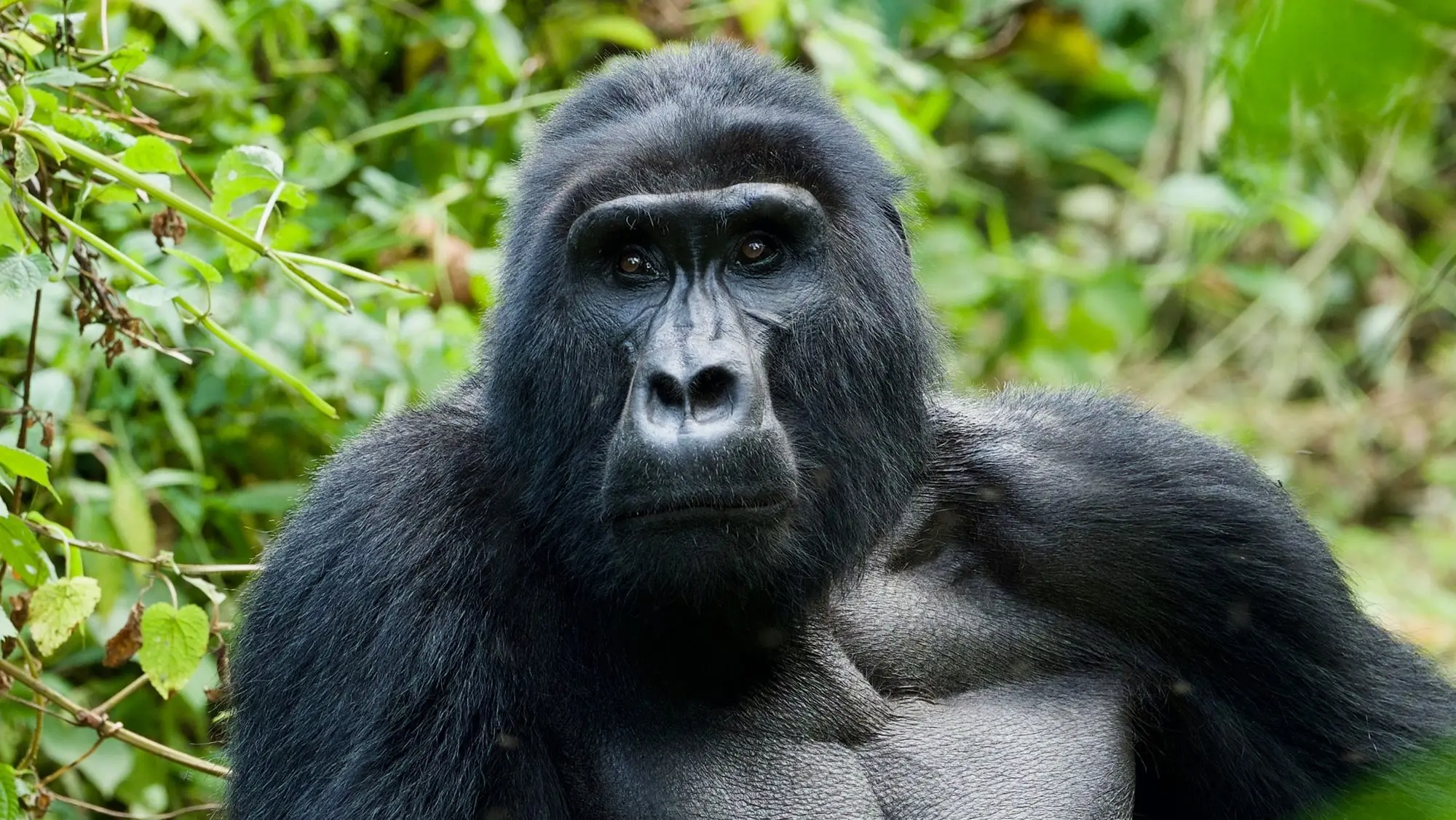
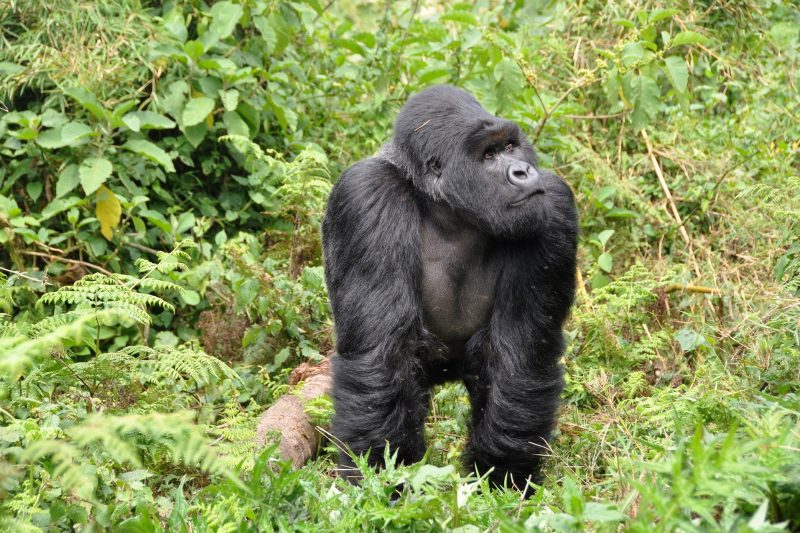
Rwanda works on a different scale entirely. Volcanoes National Park covers just 160 km², a fraction of the Serengeti or the Mara, but it’s home to something neither can offer: face-to-face encounters with mountain gorillas, one of the rarest great apes on earth. Roughly half of the world’s remaining mountain gorilla population lives across the Virunga Massif that straddles Rwanda, Uganda, and the Democratic Republic of Congo.
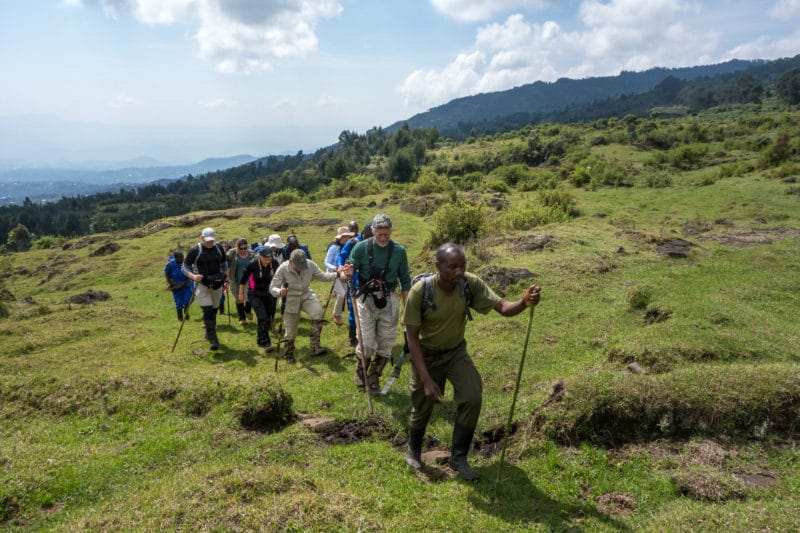
A trek here is unlike a conventional game drive. You walk — sometimes for twenty minutes, sometimes for several hours — through dense, high-altitude forest behind trackers who’ve often followed the same gorilla families for years. Then, without much warning, the foliage opens and you’re a few metres from a family group going about its day, entirely unbothered by your presence.
Read the full Rwanda gorilla trekking guide for permit costs, fitness requirements, and what the trek actually involves.
Uganda: Gorillas, Chimps, and a Landscape That Does Both
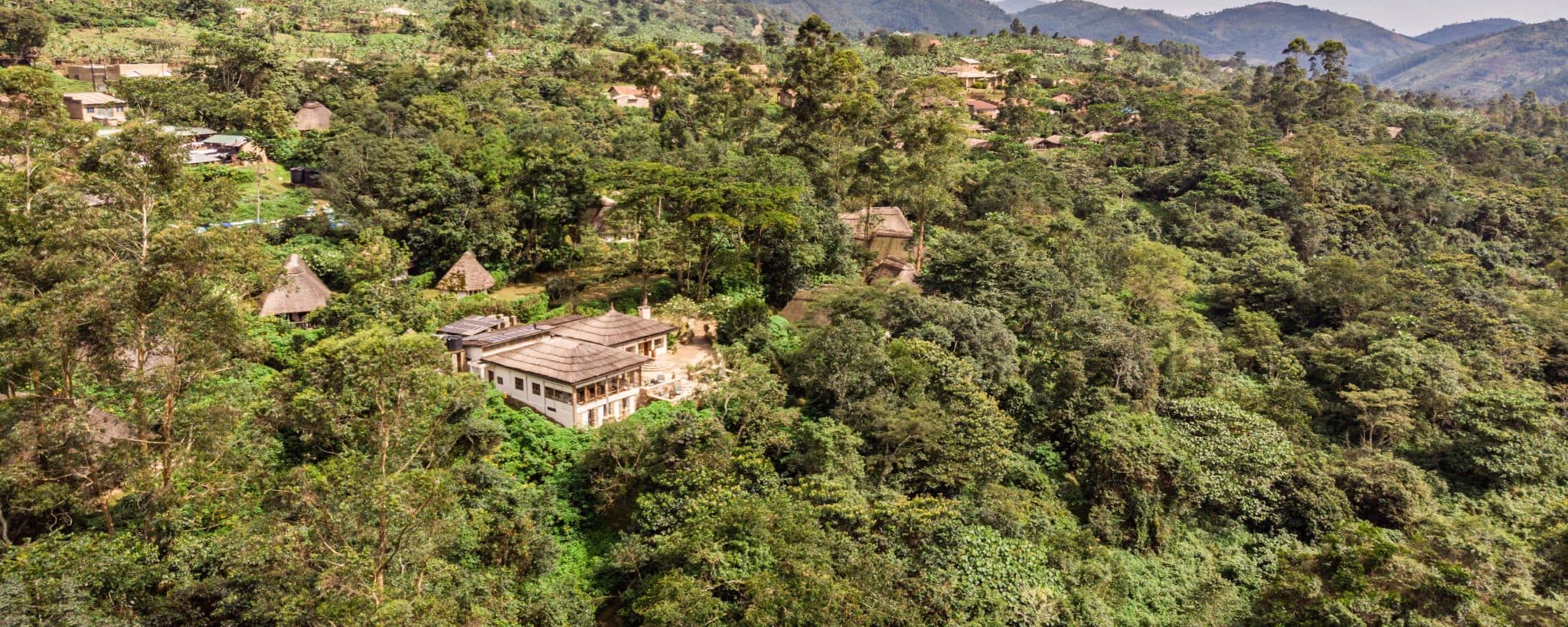
Uganda shares Rwanda’s gorilla population but adds something Rwanda doesn’t have at the same scale: chimpanzee tracking, most notably in Kibale Forest, alongside classic savanna safari in Queen Elizabeth National Park. It’s also home to Ishasha’s tree-climbing lions — a genuine oddity, since lions rarely climb trees anywhere else in Africa.
Because Uganda covers primate trekking and open-plains safari in one country, it tends to appeal to travellers who want more range in a single trip without adding a third or fourth border crossing.
Read the full Uganda safari guide for how to combine gorillas, chimps, and classic game viewing in one itinerary.
Best Time to Visit East Africa
Timing depends entirely on what you’re chasing. For the migration, June through September puts you in Kenya’s Mara for the river crossings, while January through March favours Tanzania’s southern Serengeti for calving season. Gorilla trekking in Rwanda and Uganda is possible year-round, though the two dry seasons — June to September and December to February — offer easier, less muddy trekking conditions.
Rainfall patterns do shift from year to year, so if your trip is built entirely around one event — a river crossing, a calving season — it’s worth checking current conditions closer to your travel dates rather than relying on the calendar alone. The Kenya Wildlife Service publishes regular updates on migration positioning within the Mara ecosystem.

Combining Countries in One Trip
Kenya and Tanzania pair naturally, given how closely the migration route ties them together — many itineraries split time between the Mara and the Serengeti in a single visit. Rwanda and Uganda pair just as naturally for a primate-focused trip, often with a short flight or road transfer between Kigali and Bwindi.
Combining an East African migration leg with a gorilla trekking leg is also possible, though it adds more flying and more days. It’s worth deciding early which experience matters more to you, since that decision shapes almost everything else about the itinerary — from how many nights you can spend in each place to how much ground you’ll cover overall.
Whichever combination you’re weighing, the country-specific guides above go into the detail you’ll need to plan properly. Get in touch and we’ll help you build the itinerary around what matters most to you.