
Key Takeaways
|
Introduction
A family safari in Africa is one of the most formative travel experiences a family can share. It works best when the destination, the lodge and the pace match the ages and energy levels of the children. A well-planned family safari feels effortless; a poorly matched one is exhausting for everyone. Fortunately, Africa’s safari infrastructure has evolved considerably to welcome families. There are dedicated family camps, child-friendly guiding, and itineraries built around shorter drives and more varied activities.
Best Safari Destinations for Families by Age
Not every safari destination suits every family. Instead, the right choice depends largely on the ages of the children travelling.
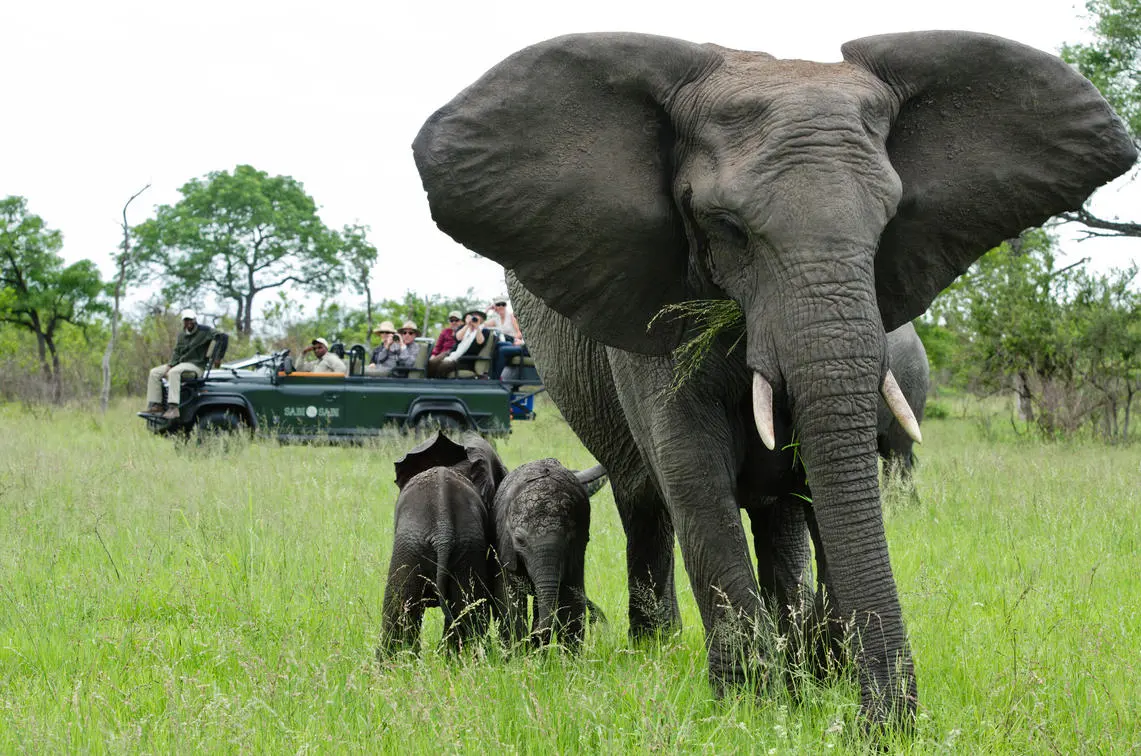
Families with Children Under 8, South Africa
South Africa is the strongest starting point for families with younger children. The Madikwe Game Reserve and the Eastern Cape private reserves are both Big Five destinations and completely malaria-free. In addition, lodges here are experienced with young guests and drives are shorter. Overall, the infrastructure feels more accessible for first-time safari families.
Families with Children Aged 8–12, Kenya and Tanzania
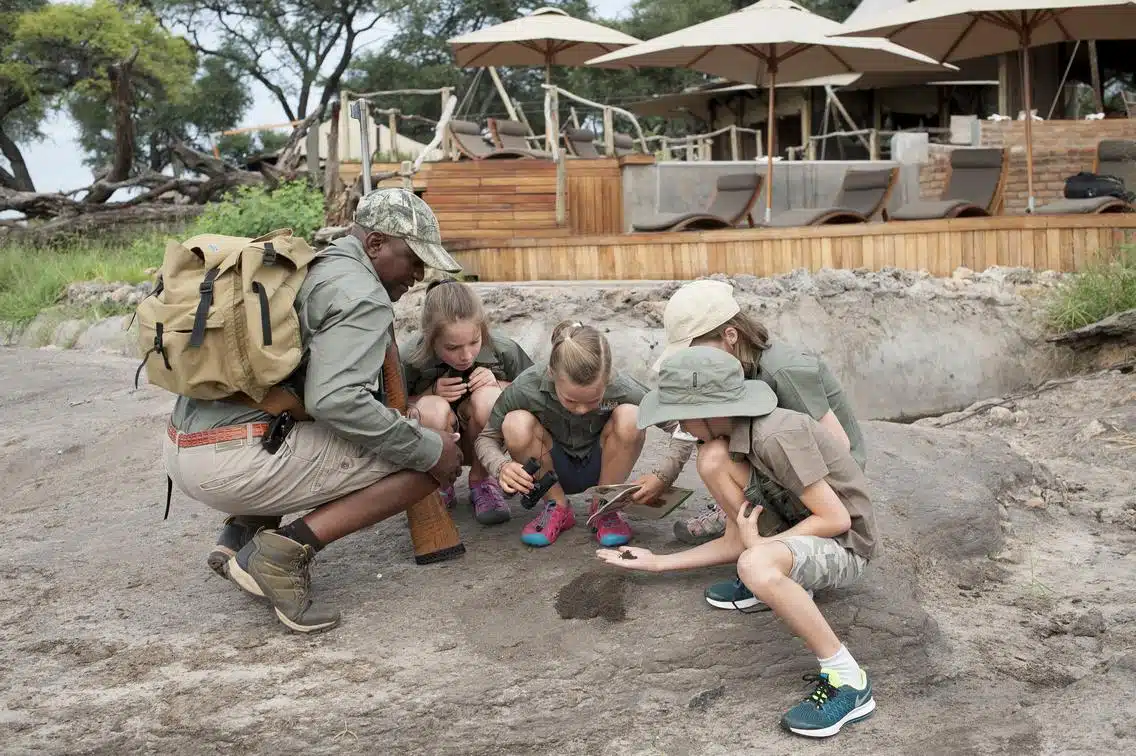
By this age, children have the attention span and physical stamina for East Africa’s longer game drives. Kenya’s Maasai Mara and Tanzania’s Serengeti deliver the scale and wildlife density that captures children’s imaginations. Elephant herds, lion prides and the spectacle of the Great Migration are experiences that land differently at this age.
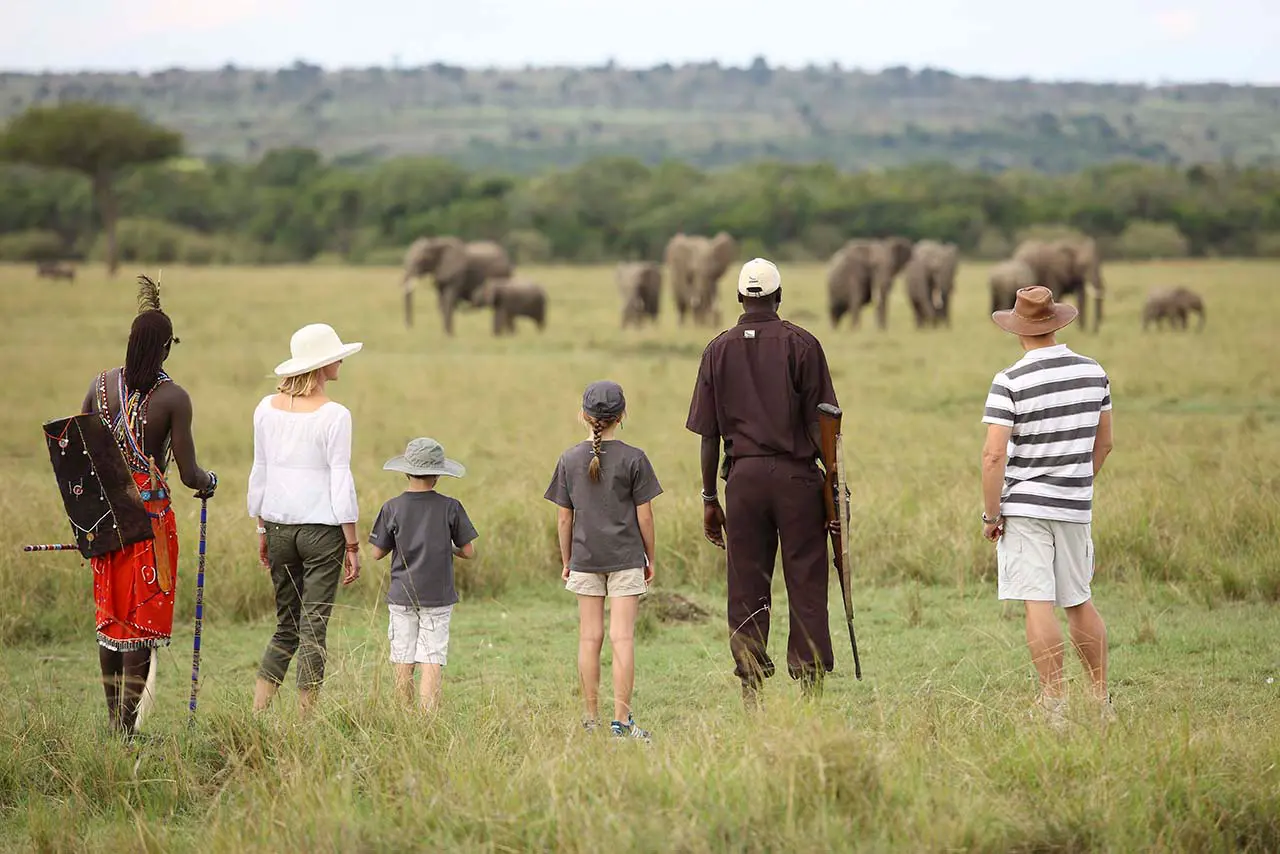
Private conservancies surrounding the Maasai Mara are particularly well suited to families. For example, they offer lower vehicle density, flexible drive times, and camps with family tents or interconnected suites. Explore Kenya migration safari options to see how family timing in the Mara works across the season.
Teenagers — Combination Itineraries
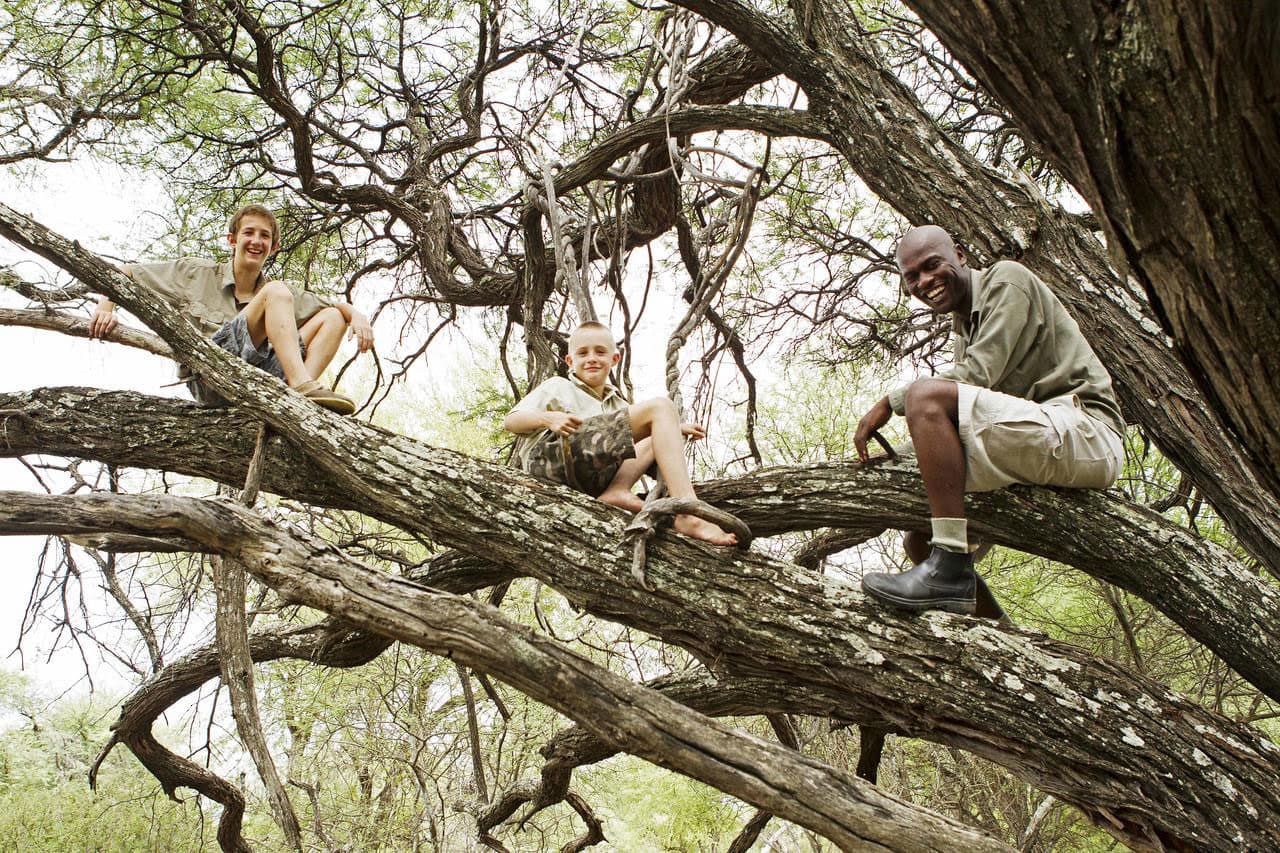
Teenagers engage most deeply with variety and challenge. For this reason, a combination itinerary holds their attention across a longer trip. That might mean a walking safari alongside traditional game drives, or a Tanzania safari followed by Zanzibar. Rwanda’s gorilla trekking is also highly compelling for teenagers with a genuine interest in wildlife and conservation.
Safari Styles That Work Best for Families
Private vehicle and guide is non-negotiable for most families. By contrast, a shared game drive vehicle operates on a fixed schedule. With children, however, that rigidity creates friction. With a private vehicle, you leave when the family is ready and stop as long as the children are engaged. Then you head back to camp when energy runs low.
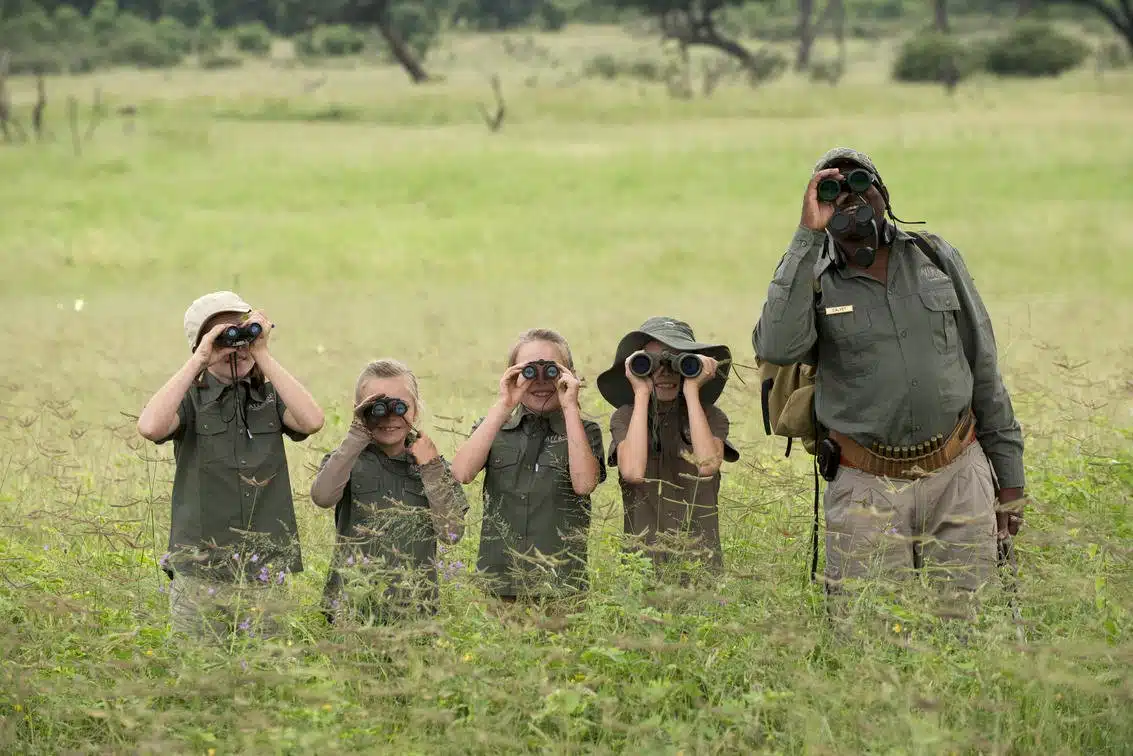
Fewer camps, longer stays consistently improves family safari experiences. Three to four nights at each camp gives children time to feel at home and get to know their guide. They absorb the environment rather than just passing through it.
Similarly, activity variety keeps children engaged across a longer stay. Alongside game drives, the best family camps offer bush walks, junior ranger programmes, cultural visits and sundowners in the bush.
Safety and Comfort Questions Worth Asking
Malaria is present across most of East Africa’s safari regions. However, anti-malarial medication for children is available and commonly prescribed. A travel medicine clinic should be consulted at least four to six weeks before departure. For families unwilling to medicate young children, South Africa’s malaria-free reserves are the practical alternative.
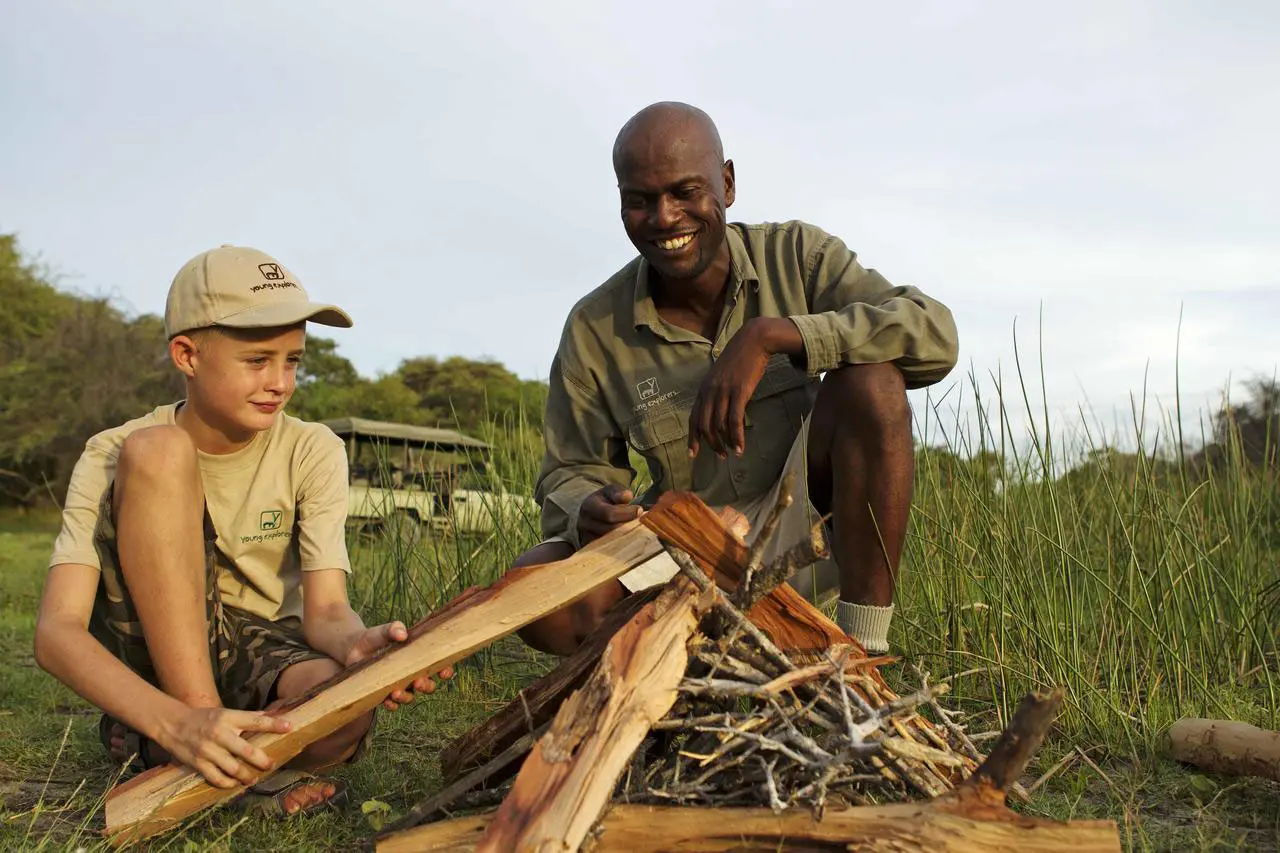
In addition, wildlife safety at camp is managed by the lodge. Reputable camps provide escorts between tents after dark and give thorough safety briefings on arrival. They also design their layouts with wildlife movement in mind.
FAQs
What is the best age to take children on safari?
Six is the commonly cited minimum age at most East African luxury camps. South Africa’s family-friendly reserves often welcome younger children with modified activity programmes. Teenagers tend to get the most from the experience in terms of genuine engagement with wildlife and conservation.
How long should a family safari be?
Seven to ten nights is the recommended length for a first family safari. For most age groups, the best format is ten nights with two destinations and a beach finish, such as Zanzibar or the South African coast.
Is malaria a serious concern for children?
It requires attention but it is manageable. Anti-malarial medication for children is widely prescribed and effective. Families with very young children or those who prefer to avoid medication should consider South Africa’s malaria-free reserves.
What should children pack for a safari?
Neutral-coloured clothing in khaki, olive, or beige. Layers for early morning drives. Closed shoes for bush walks. A wide-brimmed hat and high-factor sun protection. A small personal bag for binoculars and a camera if old enough.
Are family safaris safe overall?
Yes — reputable safari operators and lodges manage safety comprehensively. Choosing established, well-reviewed camps through a reputable operator is the most effective safety measure available.
Conclusion
A family safari in Africa works best when the destination suits the children’s ages and the lodge is truly set up for families. The itinerary should also be paced so everyone can enjoy it. Watching your children meet Africa’s wildlife for the first time is a memory that stays with a family long after the trip ends.
Talk to our team about planning your family safari in Africa.
Planning a family safari? Tell us your children’s ages and we’ll suggest the right pace and destination.