
Same Gorillas, Different Trips, and Which One Suits You
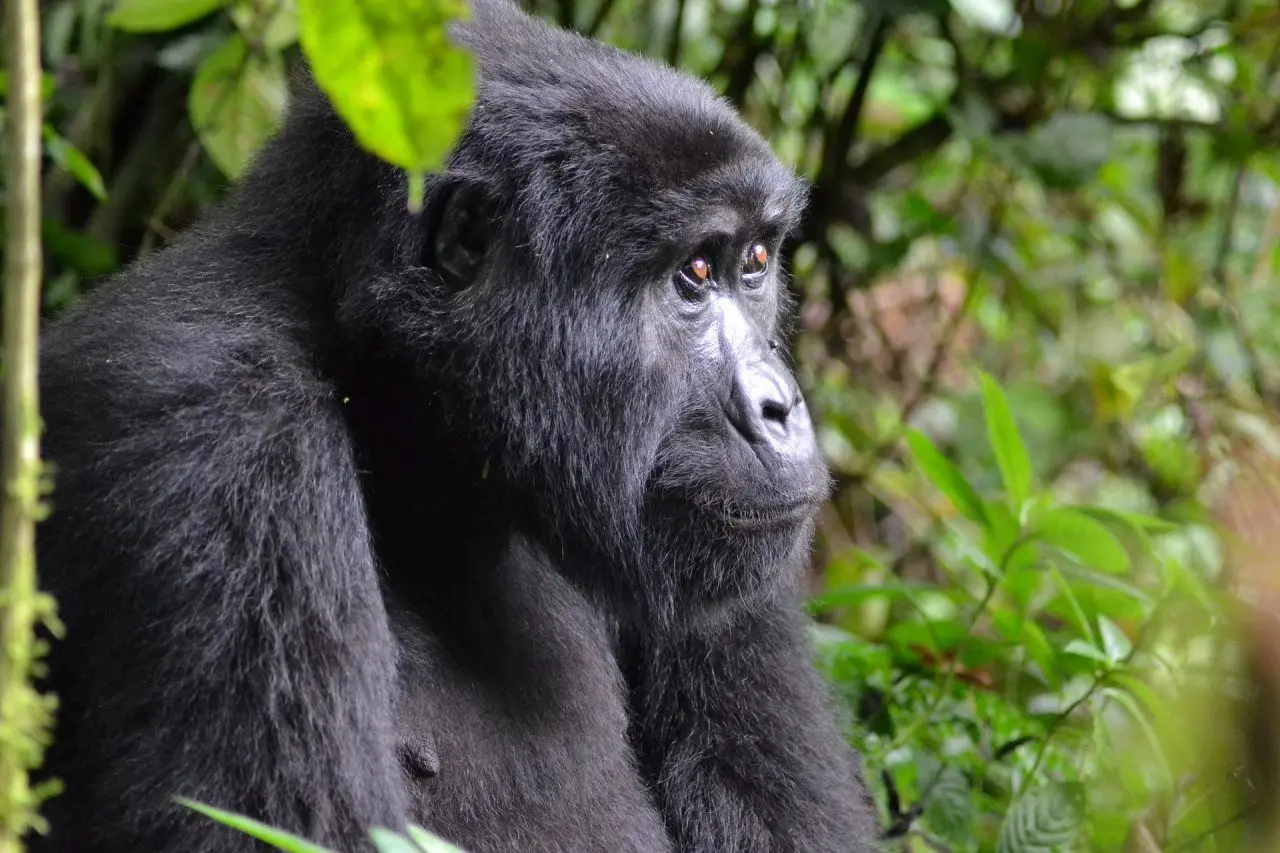
The gorillas are the same. Rwanda and Uganda both protect mountain gorillas, and in both countries the encounter follows the same rules: a small group, a ranger and trackers, and one hour in their company. So the Rwanda vs Uganda gorilla trekking question isn’t really about the gorillas. It’s about everything around them.
Quick answer
Both countries offer the same one-hour encounter with mountain gorillas. Rwanda costs roughly double per permit but is quicker to reach, so it suits a short, polished trip. Uganda is cheaper per permit, with denser forest and longer drives, and suits travellers who want more variety.
Permit Cost
This is the difference most people notice first. Rwanda charges considerably more per permit than Uganda, roughly double at the time of writing. Both countries put the revenue into conservation and into the communities around the parks, but the price gap is real, and it can change the shape of a whole trip.
Permit prices are adjusted from time to time, so check current rates before you commit to a budget. Our Rwanda gorilla trekking guide and Uganda safari guide both cover how permits are booked.
The Trek Itself
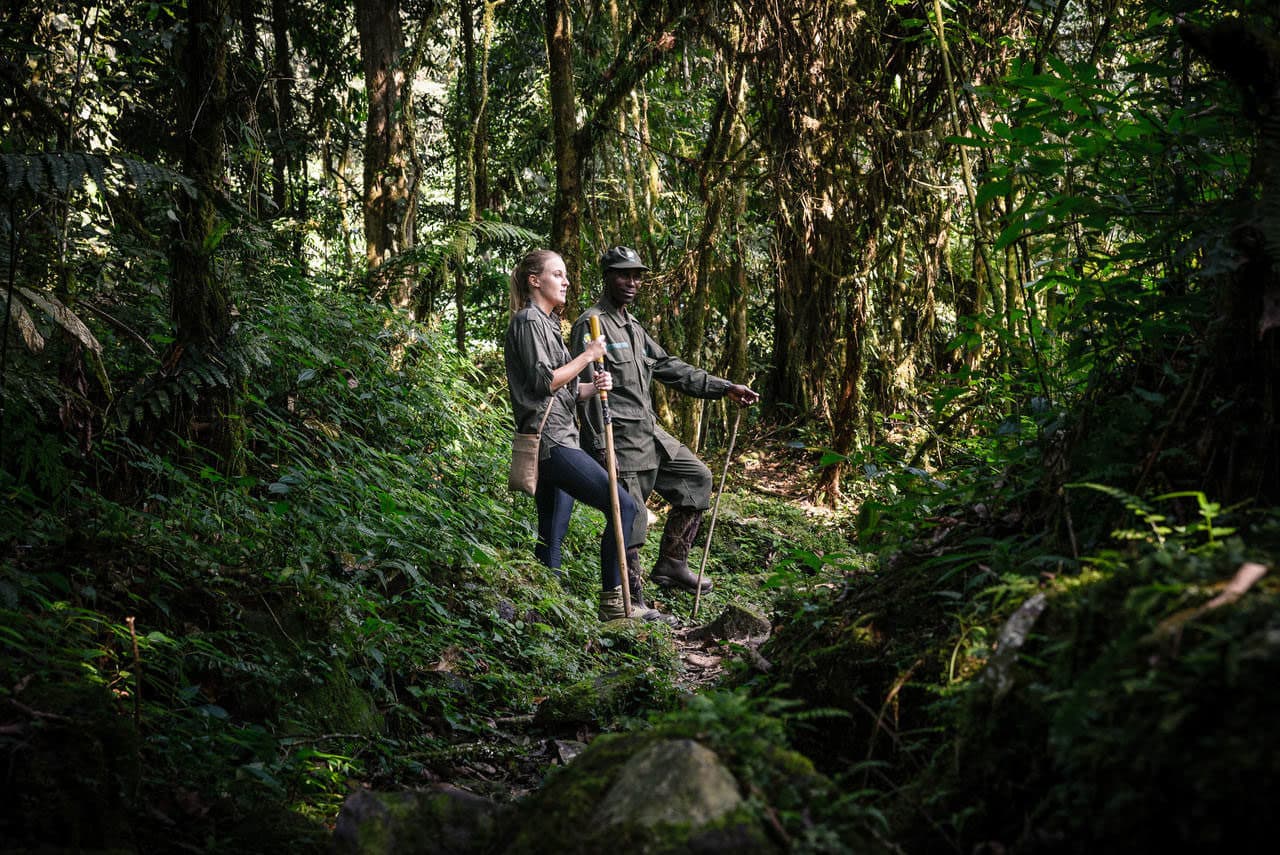
Rwanda’s Volcanoes National Park is compact, and treks tend to start from a single, well-organised headquarters. The terrain is steep and often muddy, and the forest is mostly bamboo and open montane slopes. Uganda’s Bwindi Impenetrable Forest lives up to its name. It’s older, denser and more tangled underfoot, and treks can take longer and feel harder as a result.
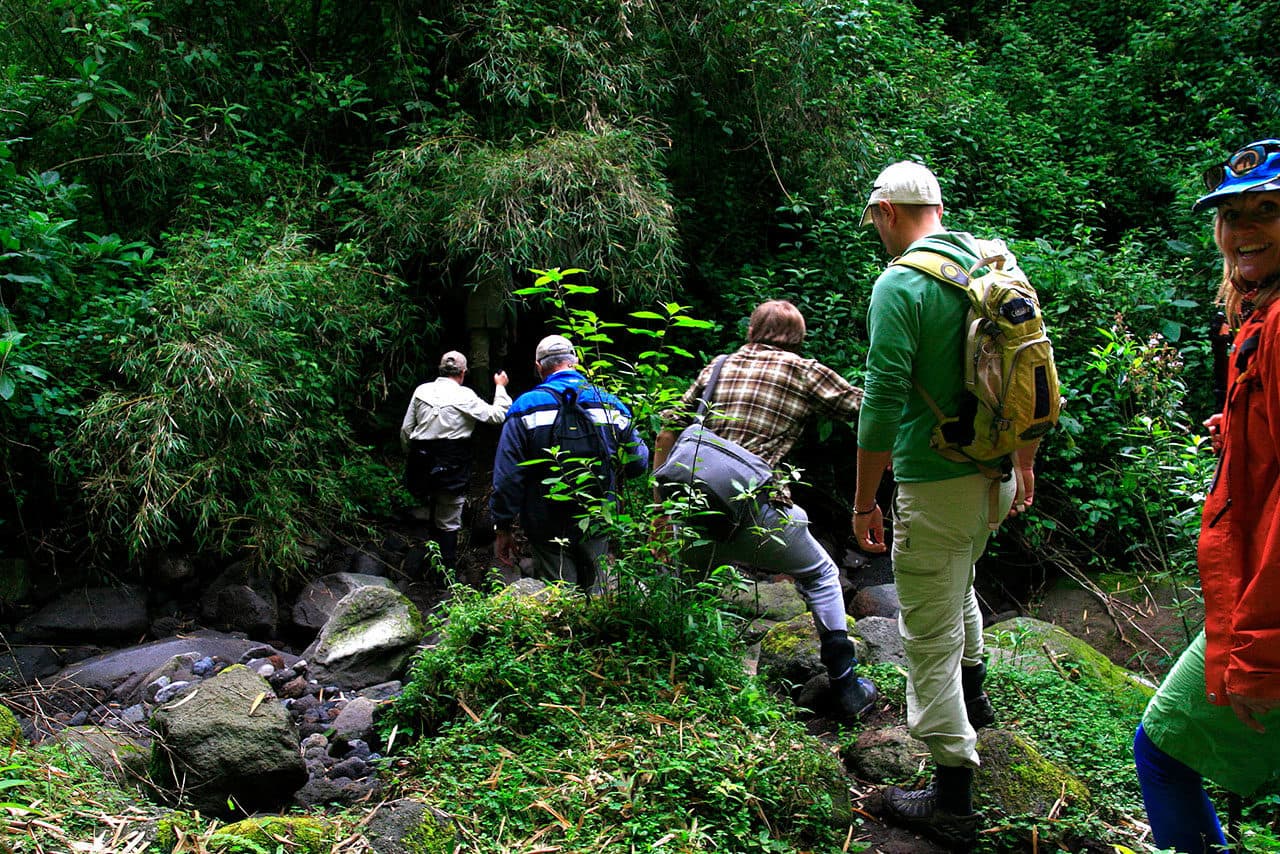
Neither is easy, and both offer porters. If fitness or mobility is a worry, tell us early, because the park sector and the gorilla family you’re assigned can make a real difference.
Getting There
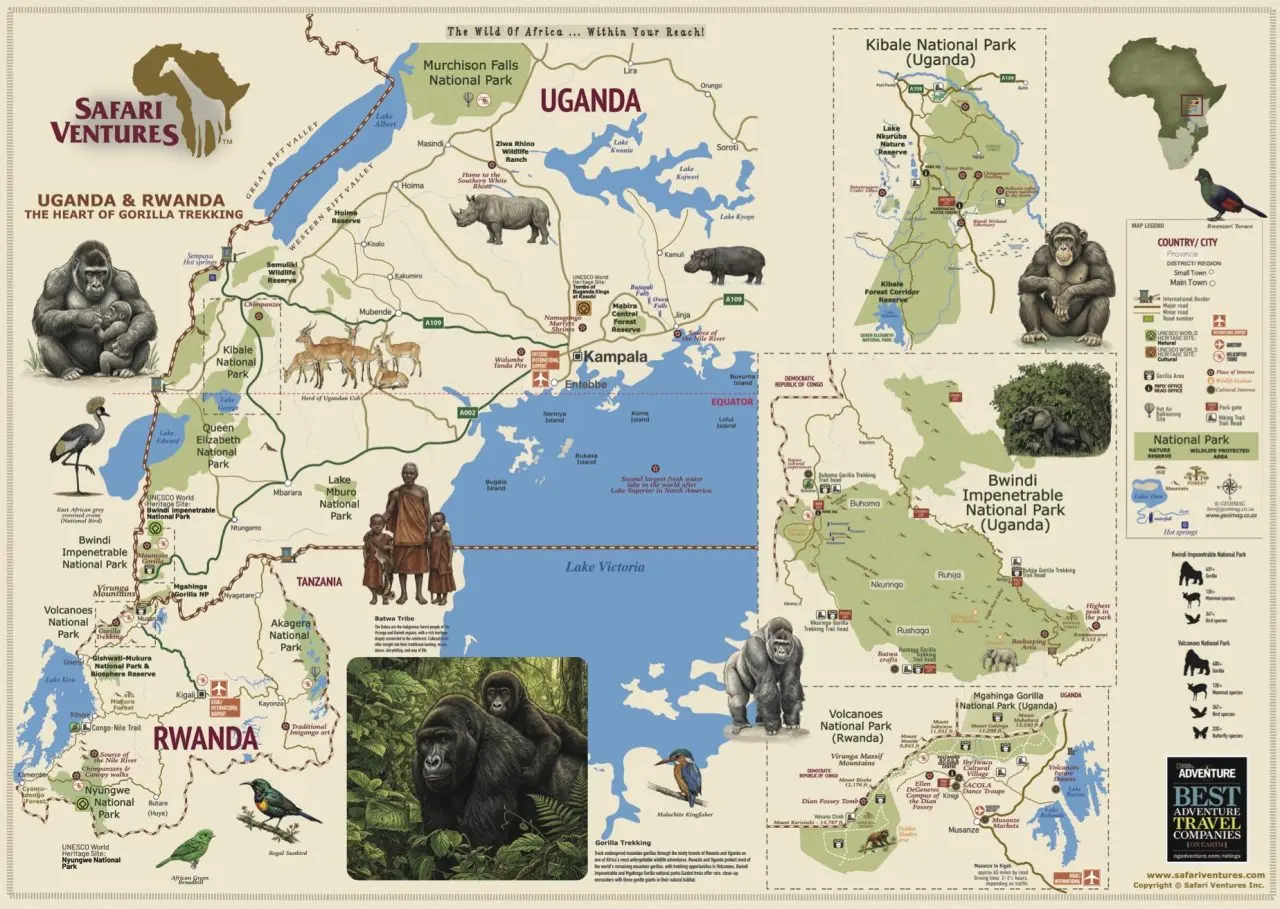
Rwanda is the simpler arrival. Kigali’s airport is close to the park, and a few hours’ road transfer puts you at the trailhead. Uganda asks for more travel. Bwindi is a long drive from Entebbe, though domestic flights shorten it, and the roads in the last stretch can be slow.
What Else Is in the Trip
Rwanda is tidy, safe and easy to move around in, and it makes a good short trip. Kigali, with its memorial and its coffee, is worth a day, and Lake Kivu is a quiet place to recover from the early starts. But beyond the gorillas, Rwanda’s wildlife offering is smaller.
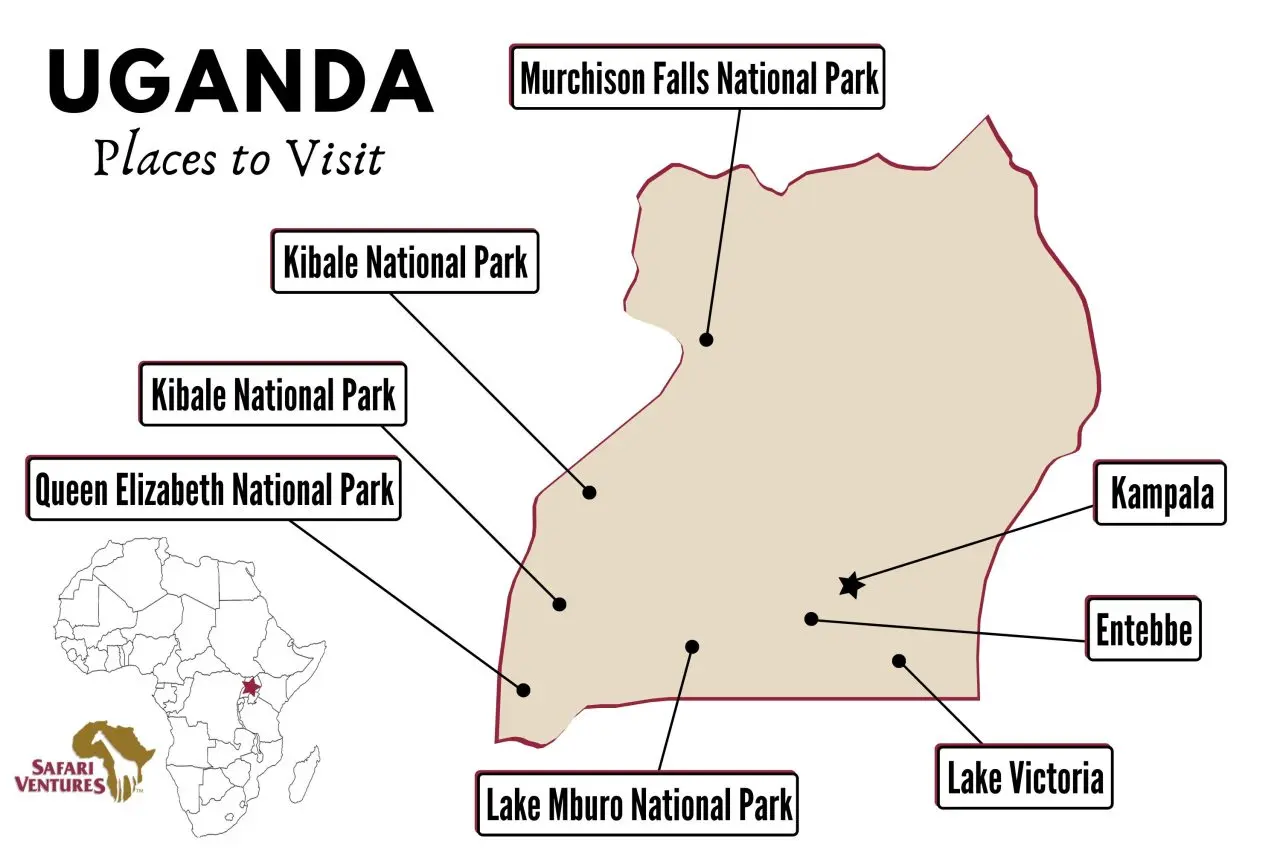
Uganda is where the trip can grow. Chimpanzee tracking in Kibale, tree-climbing lions in Queen Elizabeth National Park and boat safaris on the Kazinga Channel all fit within a few hours’ drive of each other. If you want gorillas plus a broader safari in one country, Uganda gives you more to work with.
Frequently Asked Questions
Is gorilla trekking cheaper in Uganda or Rwanda?
Uganda. Rwanda charges considerably more per permit, roughly double at the time of writing. Both countries put the revenue into conservation and local communities.
Which is easier to reach, Rwanda or Uganda?
Rwanda. Kigali’s airport is close to Volcanoes National Park, and a few hours’ road transfer gets you to the trailhead. Bwindi in Uganda is a long drive from Entebbe, although domestic flights shorten it.
Is the trek harder in Uganda?
It can be. Both countries have steep, often muddy terrain, but Uganda’s Bwindi Impenetrable Forest is denser, so the going can be tougher underfoot.
How long do you spend with the gorillas?
One hour, in both countries. You go in a small group with a ranger and trackers.
So Which One?
Choose Rwanda if you want a short, polished trip built around one great morning, and a budget that can take the higher permit.
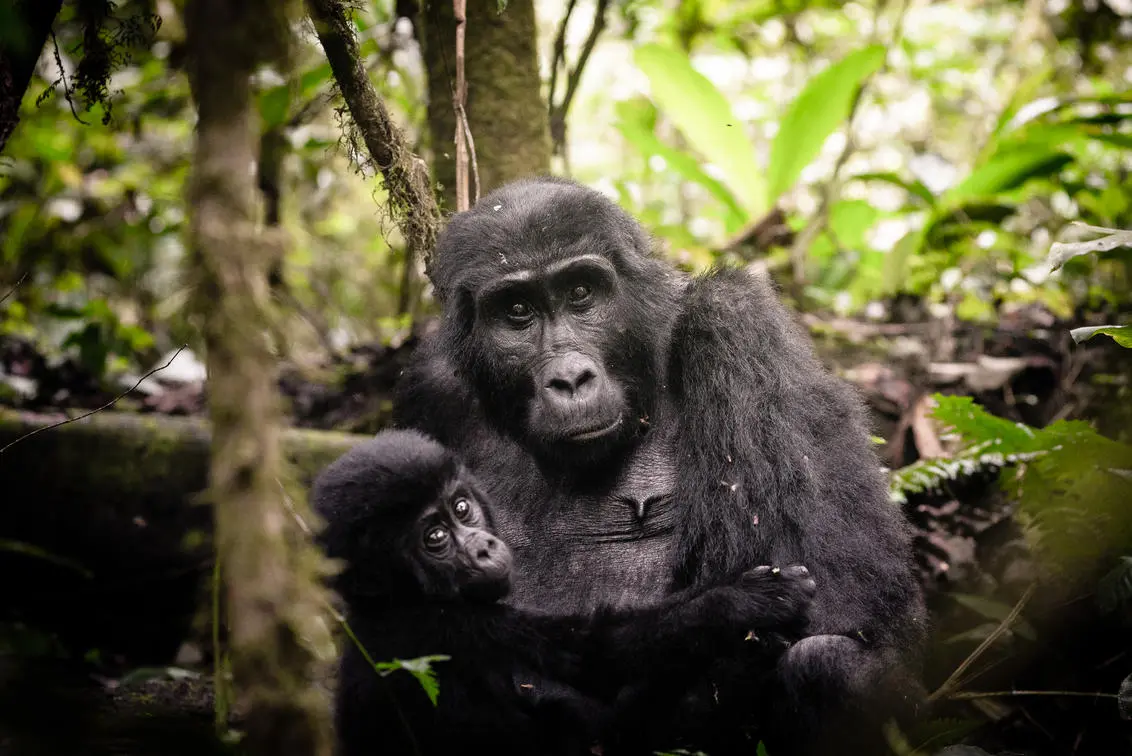
Choose Uganda if you want more variety, a lower permit cost, and you don’t mind longer drives and rougher forest.
Plenty of travellers do both, which is easy to arrange given how close the two borders are. See the East Africa safari guide for how each country fits into a wider regional trip, or the first safari in Africa guide if you’re still deciding on a destination.
Still deciding between Rwanda and Uganda? Tell us your dates and budget and we’ll recommend the right trek.