
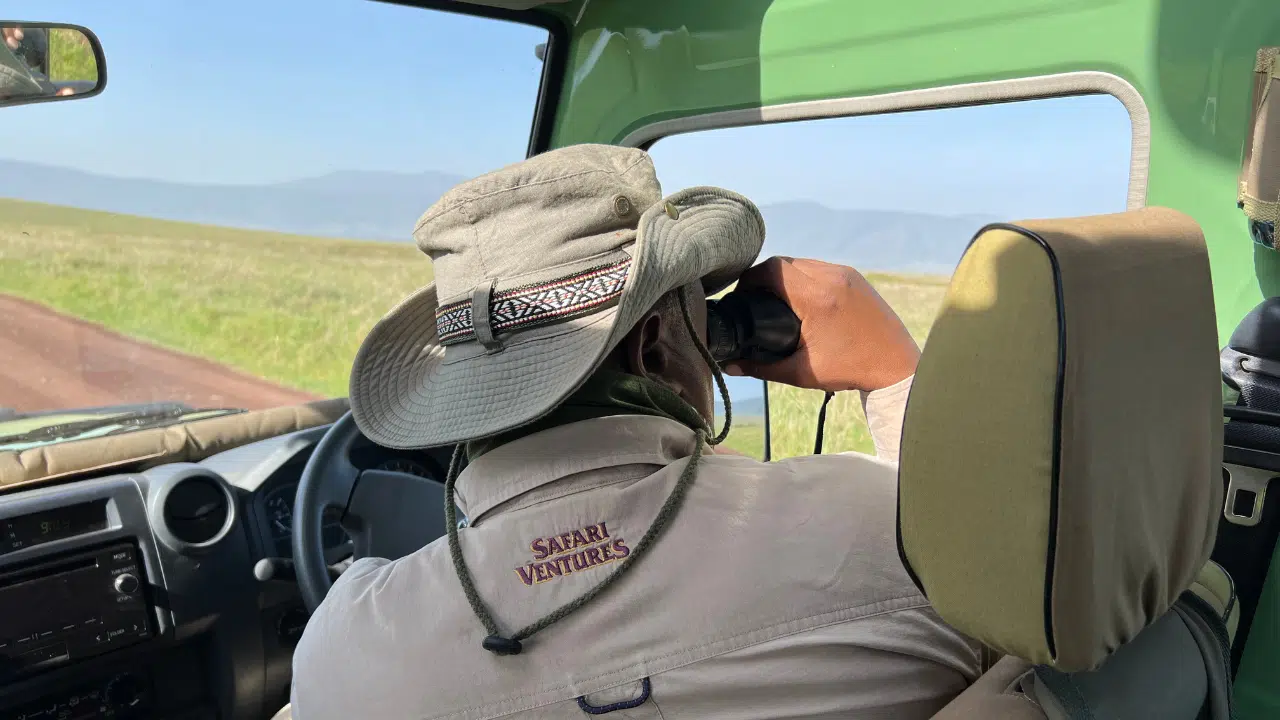
The Future of Guiding: How Technology and Human Expertise Are Shaping African Safaris
By Safari Ventures
Quick answer
The future of safari guiding combines expert human guides with better tools. Technology such as GPS mapping, shared sighting databases and AI trip planning supports guides, but it can’t replace their field experience, storytelling and the human connection that makes a safari memorable.
For generations, the safari guide has been the heart and soul of every African safari. Long before GPS, mobile apps and digital maps, experienced guides relied on instinct, traditional knowledge and years in the bush. That’s how they tracked wildlife, read animal behavior and created unforgettable experiences.
Today, however, the role of the safari guide is evolving. Technology is transforming many aspects of travel, but one thing remains clear. Even so, the future of guiding isn’t about replacing people. It’s about giving exceptional guides better tools, while preserving the human connection that makes an African safari truly unforgettable.
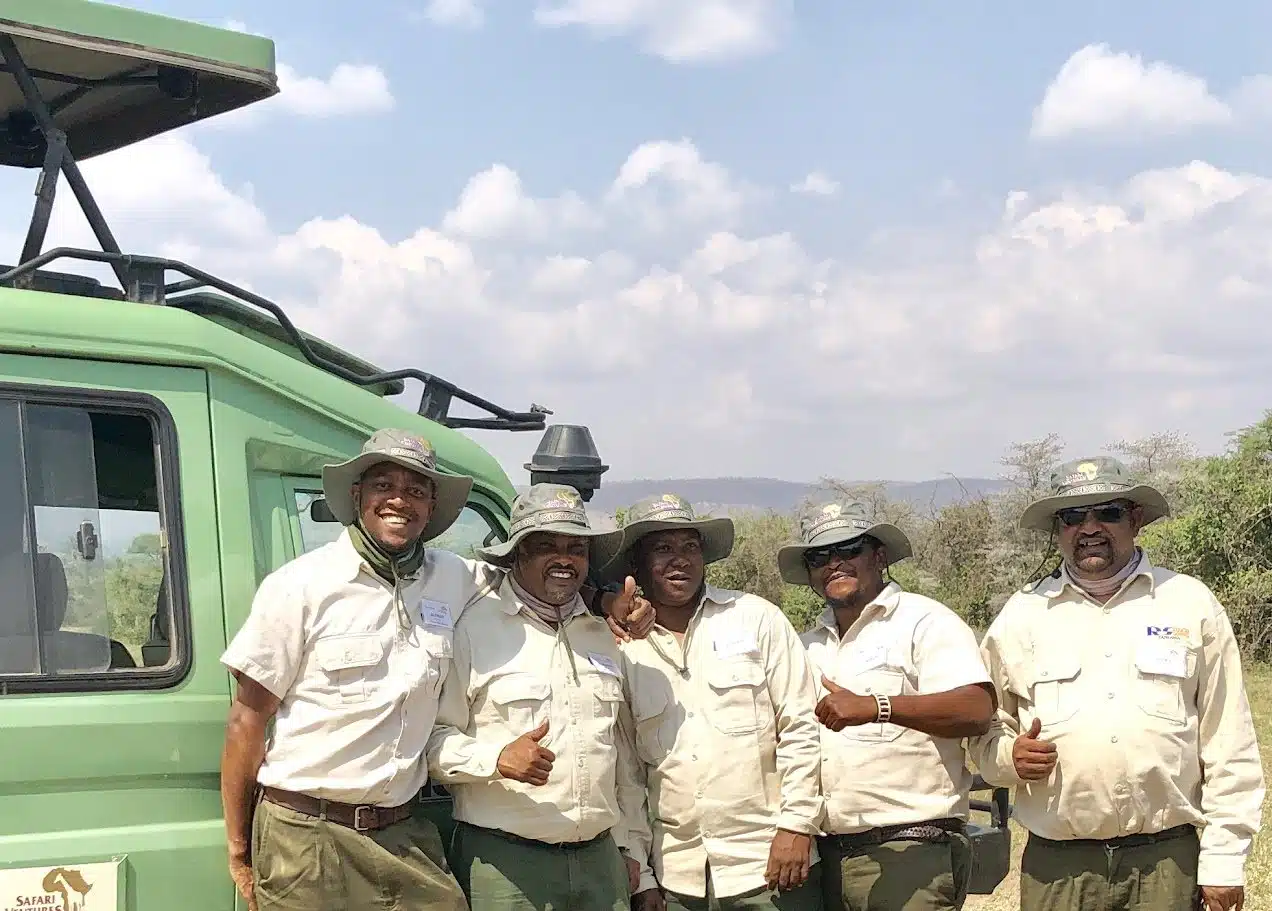
The Guide Remains the Greatest Luxury
Luxury on safari is no longer defined solely by five-star lodges or gourmet meals in the wilderness. Increasingly, travelers value something far more meaningful: knowledgeable, passionate guides who bring Africa to life.
After all, an outstanding guide doesn’t simply point out wildlife. Instead, they tell stories about ecosystems and explain centuries-old traditions. They recognize the calls of hundreds of bird species and predict animal movements long before they happen.
In contrast, no artificial intelligence can replicate decades of field experience. Nor can it match the excitement of watching a leopard emerge from the bush because your guide noticed subtle clues moments earlier.
Technology Is Becoming an Essential Partner
Modern safari guides are beginning to use technology to enhance—not replace—the guest experience.
Today’s innovations include:
- GPS mapping for accurate navigation and conservation monitoring
- Wildlife sighting databases shared between guides
- Digital field guides for birds, mammals, reptiles, and plants
- Translation tools for international travelers
- Satellite communication in remote wilderness areas
- Drone technology for conservation research (where permitted)
- Mobile apps for identifying stars, constellations, and wildlife
These tools help guides provide even richer experiences while improving safety and efficiency.
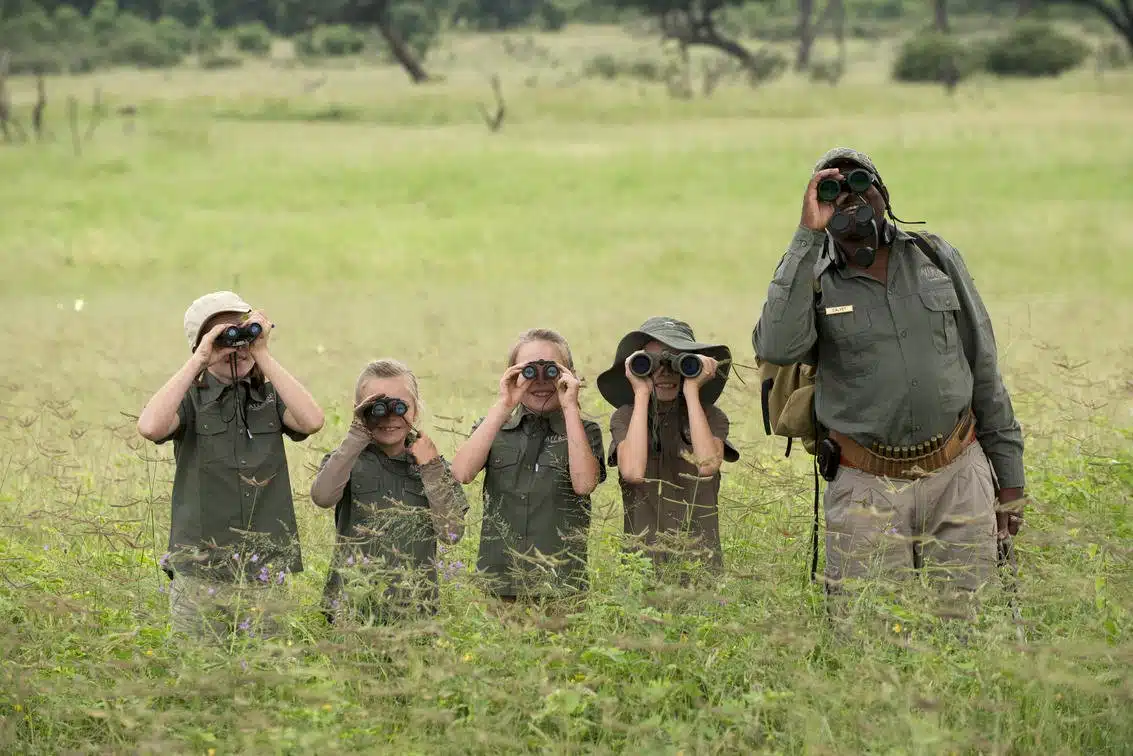
Artificial Intelligence Is Changing Trip Planning
Before guests even arrive in Africa, AI is helping personalize the safari experience.
Modern AI concierge systems can:
- Recommend destinations based on travel style
- Suggest the best travel seasons
- Answer common questions instantly
- Assist with itinerary planning
- Provide packing recommendations
- Explain visa and health requirements
- Help compare safari options
This allows safari consultants to spend more time creating customized journeys instead of answering repetitive questions.
At Safari Ventures, we see AI as a valuable assistant—not a replacement for personalized service.
Conservation Through Smarter Guiding
Technology is also playing an increasingly important role in wildlife conservation.
Guides now contribute valuable data by recording:
- Wildlife movements
- Rare species sightings
- Migration patterns
- Habitat changes
- Human-wildlife conflict areas
This information supports conservation organizations and national parks in protecting Africa’s extraordinary biodiversity.
Every game drive can contribute to scientific understanding while delivering unforgettable guest experiences.
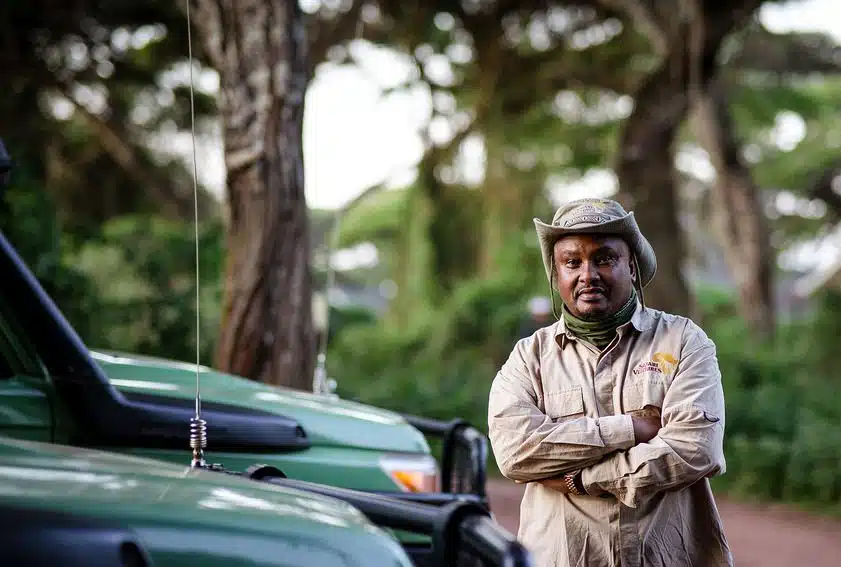
Tomorrow’s Guide Needs More Than Bush Knowledge
As a result, future safari guides will require an even broader skill set.
In addition to traditional tracking and wildlife expertise, tomorrow’s leading guides will need:
- Digital literacy
- Photography and videography skills
- Social media awareness
- Conservation education
- Cultural interpretation
- Climate change knowledge
- First aid and emergency response
- Storytelling and guest engagement
The best guides will combine deep local knowledge with modern communication skills to create meaningful, educational, and immersive experiences.
Sustainability Will Shape the Future
Today’s travelers increasingly want to know that their safari benefits local communities and protects wildlife.
Guides are becoming ambassadors for sustainable tourism by educating guests about:
- Responsible wildlife viewing
- Community conservation initiatives
- Plastic reduction
- Carbon-conscious travel
- Respect for local cultures
- Ethical photography
These conversations help travelers become active participants in protecting Africa’s natural heritage.
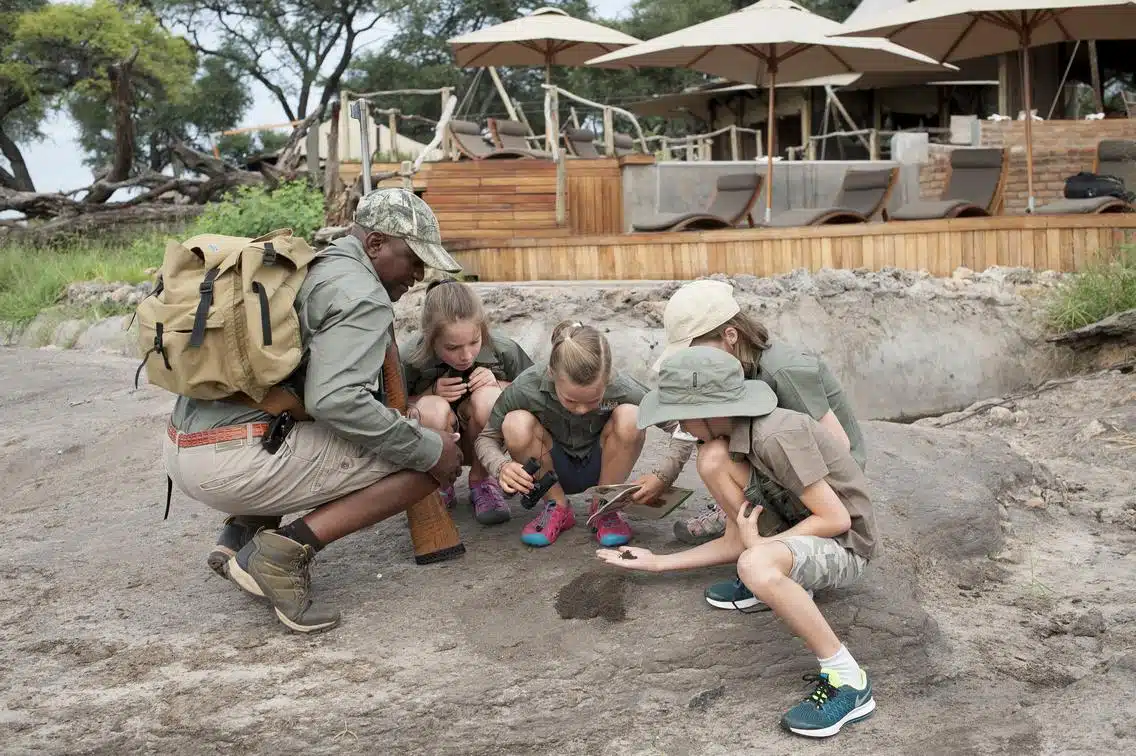
Human Connection Will Always Matter
Despite rapid advances in technology, the defining moments of a safari remain deeply human.
It’s the guide who notices the excitement in a child’s eyes during their first elephant encounter.
Similarly, it’s the guide who shares stories passed down through generations.
And finally, it’s the guide who turns a quiet sunrise into a lifelong memory.
Technology can provide information. But it cannot replace empathy, intuition, humor or the relationships that develop between guides and guests.
Frequently Asked Questions
Will technology replace safari guides?
No. Technology can provide information, but it cannot replace a guide’s field experience, empathy, intuition or the relationships that develop between guides and guests.
How do safari guides use technology today?
For GPS navigation and conservation monitoring, shared wildlife sighting databases, digital field guides, translation tools, satellite communication in remote areas, and, where permitted, drones for conservation research.
How is AI changing safari planning?
AI tools can recommend destinations, suggest travel seasons, answer common questions and help with itineraries, packing and visa and health information. As a result, that frees safari consultants to spend more time designing customised trips.
How do guides support conservation?
By recording wildlife movements, rare sightings, migration patterns, habitat changes and human-wildlife conflict areas. In turn, this data supports conservation organisations and national parks.
The Safari Ventures Perspective
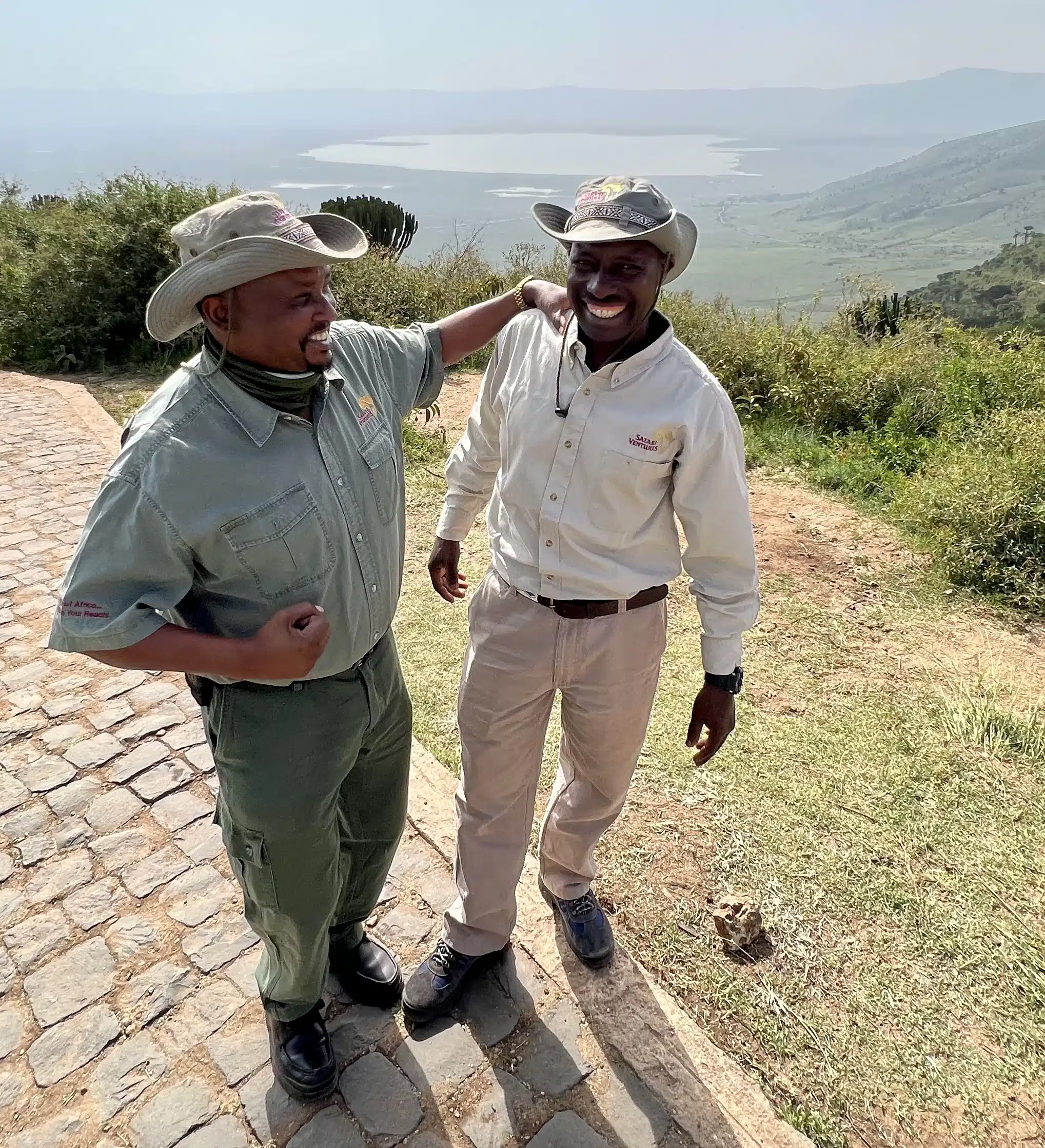
At Safari Ventures, we believe the future of guiding is built on the perfect balance between innovation and authenticity.
That’s why we embrace technology that improves planning, communication and conservation. At the same time, we keep partnering with experienced local guides whose knowledge, professionalism and passion create extraordinary safari experiences.
Of course, Africa’s landscapes will continue to evolve. Technology will continue to advance. But the spirit of the safari will always belong to the people who devote their lives to sharing the wild places they call home.
Ready to Experience the Difference?
Perhaps you’re dreaming of witnessing the Great Migration in Tanzania, tracking gorillas in Uganda, exploring Botswana’s Okavango Delta, or discovering South Africa’s renowned game reserves. Whatever you have in mind, Safari Ventures connects you with expert local guides who turn every safari into an unforgettable journey.
The future of safari is intelligent, sustainable, and deeply personal—and it starts with the right guide.