
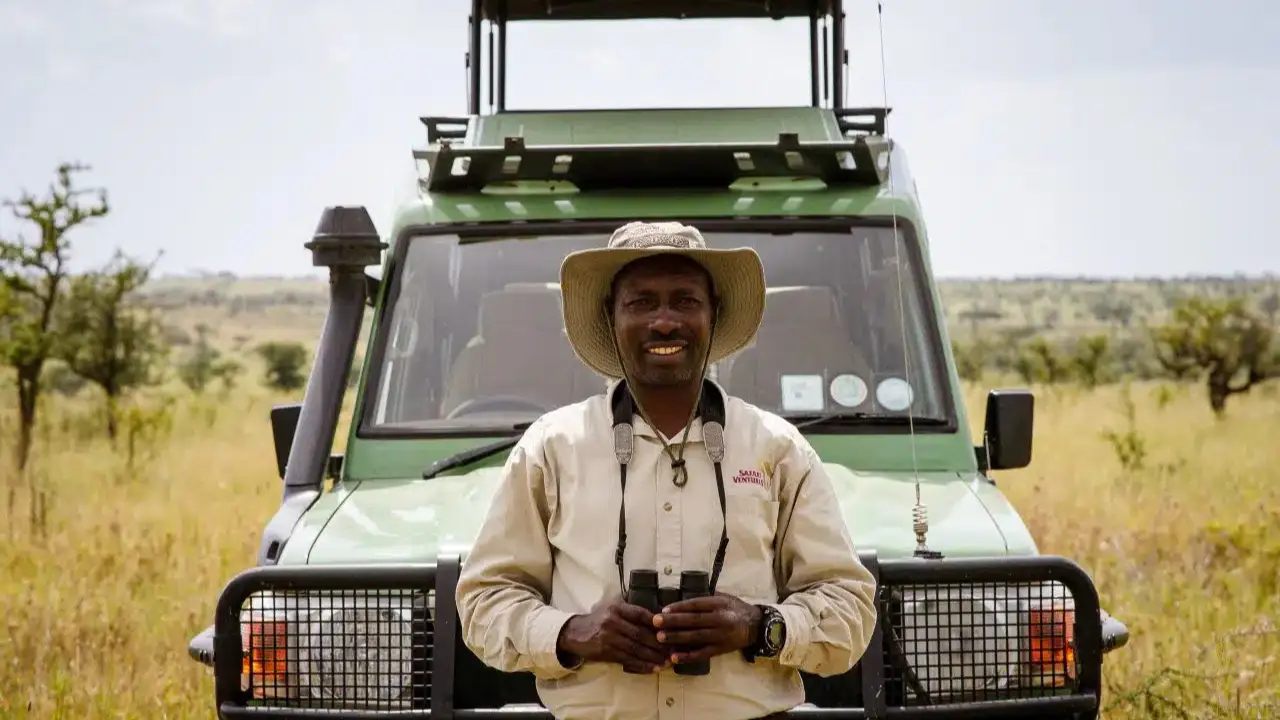
When most people picture a safari, they imagine vast plains, dramatic wildlife encounters, and golden African sunsets. But behind every unforgettable moment in the wild, there’s someone quietly making it all happen: your safari guide.
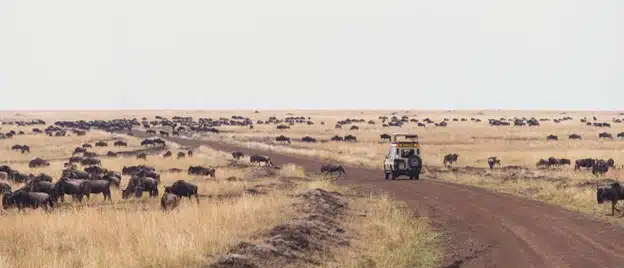
A great guide doesn’t just drive you through a park — they shape your entire experience. From early morning game drives to late-night fireside stories, safari guides are trackers, interpreters, protectors, planners, and often, lifelong friends. In this post, we’re diving deep into safari guide roles and explaining what safari guides do to turn an ordinary trip into a life-changing adventure.
1. Tracker: Your Eyes and Ears in the Wild
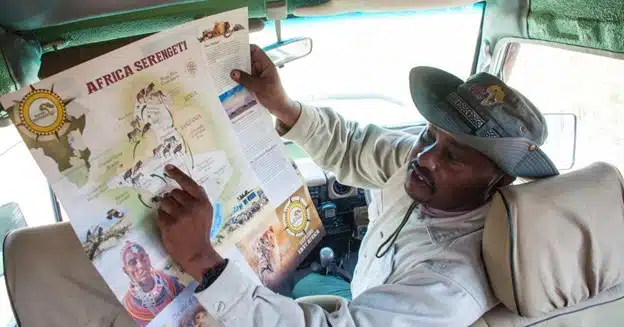
One of the most essential safari guide roles is tracking. Whether it’s locating a pride of lions before dawn or interpreting fresh leopard prints near a riverbed, guides are trained to read the land like a book.
How They Do It:
- Animal behavior knowledge: Knowing when and where certain species are likely to move based on weather, time of day, or feeding habits.
- Track interpretation: Reading spoor (tracks, scat, broken branches) to find elusive animals.
- Sound recognition: Picking up on alarm calls from birds or antelope that hint at nearby predators.
Without a skilled tracker, many of Africa’s most iconic species would remain hidden in plain sight. A guide’s ability to spot movement in distant brush or identify a faint trail is often the difference between a good game drive and a jaw-dropping encounter.
2. Wildlife Interpreter: Turning Sightings Into Stories
So you’ve spotted a herd of elephants. Great! But what are they doing? Are they nervous? Are they mating? Are they communicating?
This is where your guide steps in as a wildlife interpreter — one of the most overlooked yet fascinating parts of what safari guides do.
So you’ve spotted a herd of elephants. Great! But what are they doing? Are they nervous? Are they mating? Are they communicating?
This is where your guide steps in as a wildlife interpreter — one of the most overlooked yet fascinating parts of what safari guides do.
Why It Matters:
- Guides explain animal behaviors, not just their names.
- They contextualize your experience: Why is that lion alone? Why did the giraffe freeze mid-step?
- They make each sighting educational, revealing the intricate relationships between species and their environment.
With the right guide, every moment becomes layered with meaning. It’s not just about checking off the “Big Five” — it’s about understanding how they live, survive, and interact with the world around them.
3. Cultural Ambassador: Bridging Travelers and Local Communities
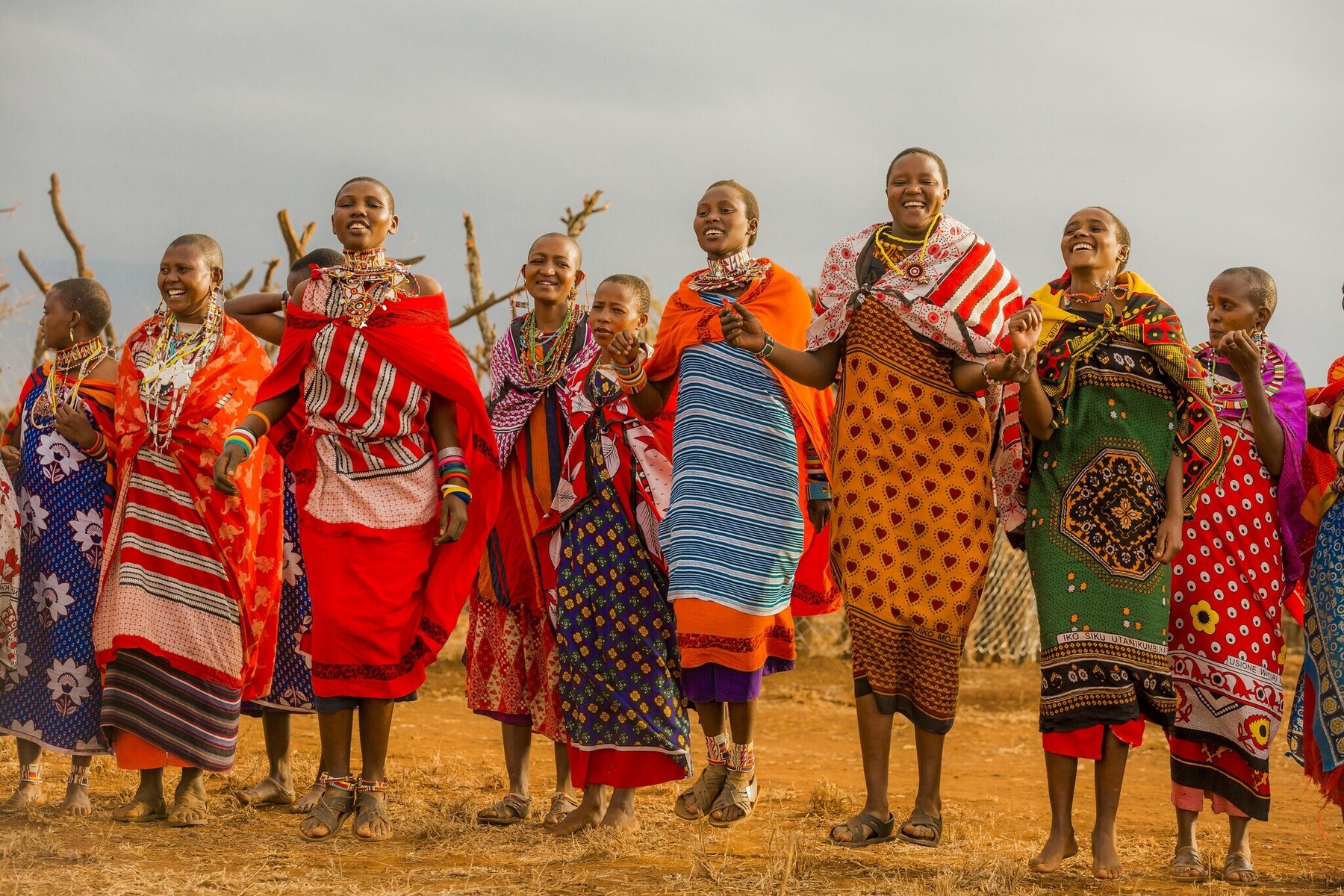
Your safari doesn’t happen in a vacuum. It’s deeply rooted in the traditions, history, and daily life of the local people — and your guide is often the bridge between two worlds.
Safari Guides as Cultural Connectors:
- Many guides grew up near the parks they now guide in.
- They speak local languages and share stories, customs, and history from firsthand experience.
- They facilitate authentic cultural interactions — like village visits, Maasai ceremonies, or shared meals — in a respectful, meaningful way.
This role is vital for travelers seeking a deeper understanding of Africa beyond the wildlife. Through your guide, you’re not just visiting Africa — you’re connecting with it.
4. Host & Concierge: Managing Comfort, Schedules, and Surprises
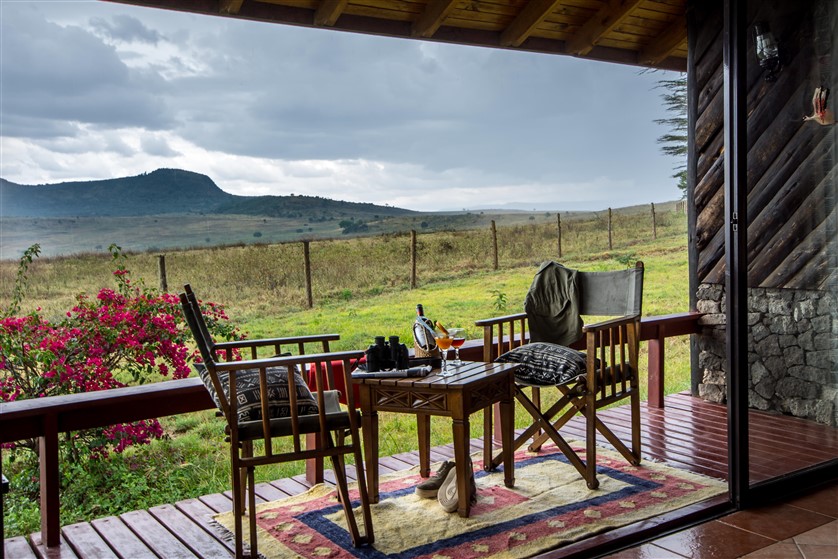
Behind the scenes, your safari guide plays a massive role in keeping the trip comfortable, smooth, and stress-free.
Here’s what that really means:
- Adjusting daily plans based on weather, animal movements, or your mood.
- Coordinating with lodges for meals, transfers, or special requests.
- Solving problems discreetly: from flight delays and forgotten items to arranging birthday surprises or fixing a flat tire in the bush.
In many ways, your guide is your private concierge in the wild. They manage logistics so you can stay fully present, soaking in every sunrise and game drive without worrying about the details.
5. Educator: Teaching Conservation and Ecosystem Awareness
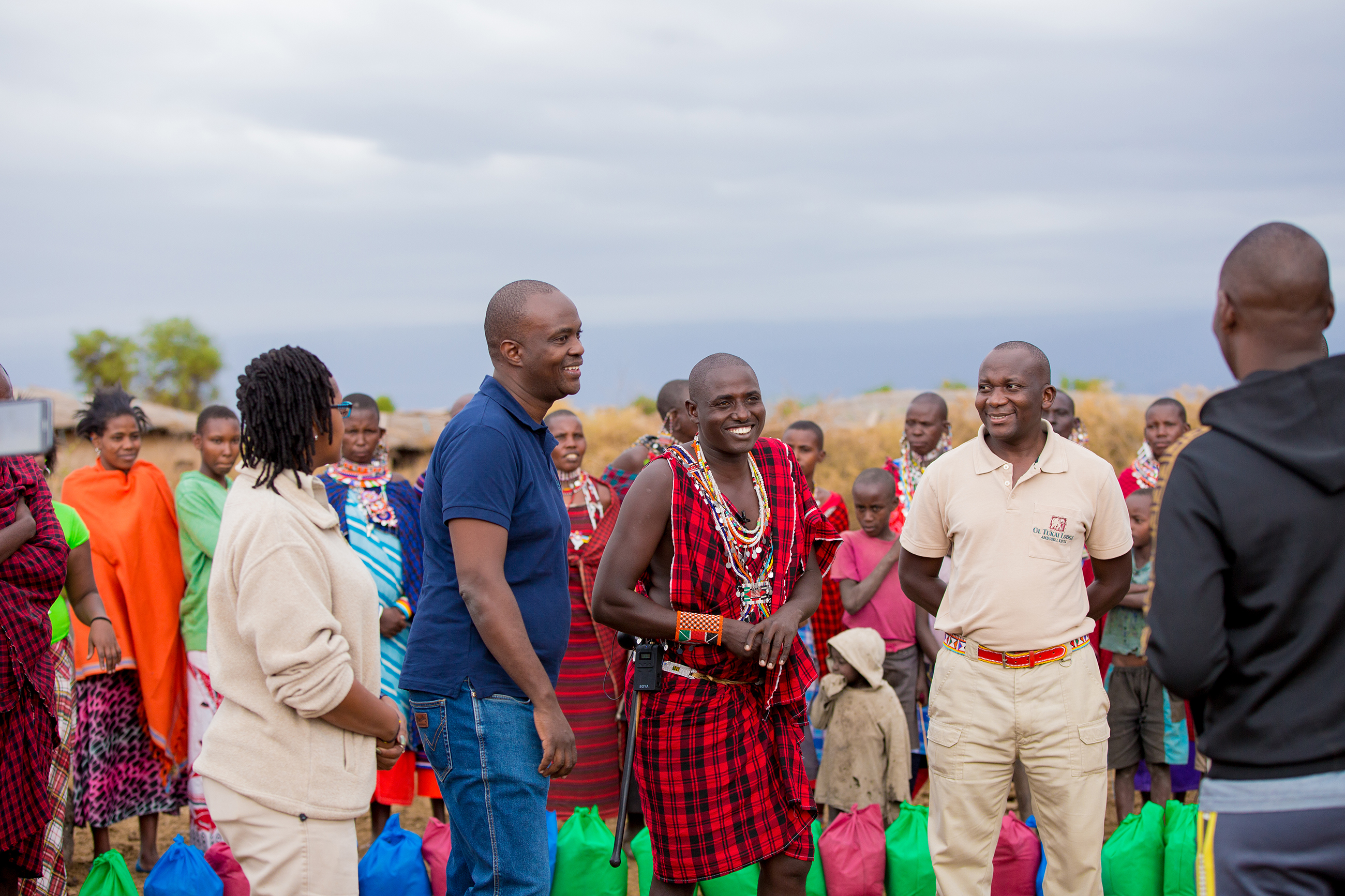
A huge part of what safari guides do goes beyond the safari vehicle. They are often deeply committed conservationists who educate guests about the delicate balance of African ecosystems.
This educational role includes:
- Explaining conservation challenges (poaching, climate change, human-wildlife conflict).
- Highlighting the importance of national parks and community efforts.
- Encouraging responsible travel — from ethical photography to low-impact practices.
By the end of your trip, a good guide will have changed not just how you see Africa, but how you see the natural world in general.
6. Safety Officer: Your Guide in Risk Management
Let’s be honest — you’re in the wild. There are risks. But with a trained safari guide, you’re in safe hands.
Their Safety Role Includes:
- Understanding animal behavior and maintaining safe distances.
- Managing emergency protocols, including vehicle breakdowns, medical needs, or unexpected wildlife encounters.
- Keeping guests informed and calm during unpredictable situations.
Whether navigating flooded roads or guiding a walking safari through lion territory, safety is never compromised.
7. Photographer’s Ally: Helping You Capture the Moment

Ever wonder how safari photographers get that perfect lion portrait or elephant close-up at golden hour? Often, it’s thanks to a guide who knows how to position the vehicle, manage the light, and predict animal behavior.
Guides who work with photographers:
- Understand lighting, angles, and composition.
- Will wait patiently or re-route to get the best shot.
- Help you read animal behavior so you can anticipate the action.
Even casual travelers benefit from this. A well-timed stop, a helpful suggestion, or a pause in just the right place can turn your photos from decent to unforgettable.
Why Safari Guides Matter More Than You Think
When planning a safari, most people focus on:
- The park
- The animals
- The lodge
But those things are only part of the story. The person who guides you through it — your tracker, host, teacher, and friend — is the heartbeat of your adventure.
Great safari guides:
- Know how to read the wild and read the room
- Adapt to every type of traveler
- Turn nature into narrative
- Make the unforgettable feel effortless
Final Thoughts: It’s More Than a Job — It’s a Calling
For most safari guides, this isn’t just work. It’s a lifelong passion. Many come from generations of wildlife trackers, or fell in love with nature as children and never looked back. Their knowledge is deep, their instincts sharp, and their desire to share Africa’s beauty with the world is unmatched.
So next time you wonder what safari guides do, remember — they do everything.
From spotting a cheetah in the distance, to finding you the best coffee at camp, to explaining why zebras huddle facing different directions — your guide is your partner in discovery.
Thinking of taking a safari?
Hire a company that values its guides as much as its guests. At Safari Ventures, our expert guides aren’t just leading the way — they make the way unforgettable.