
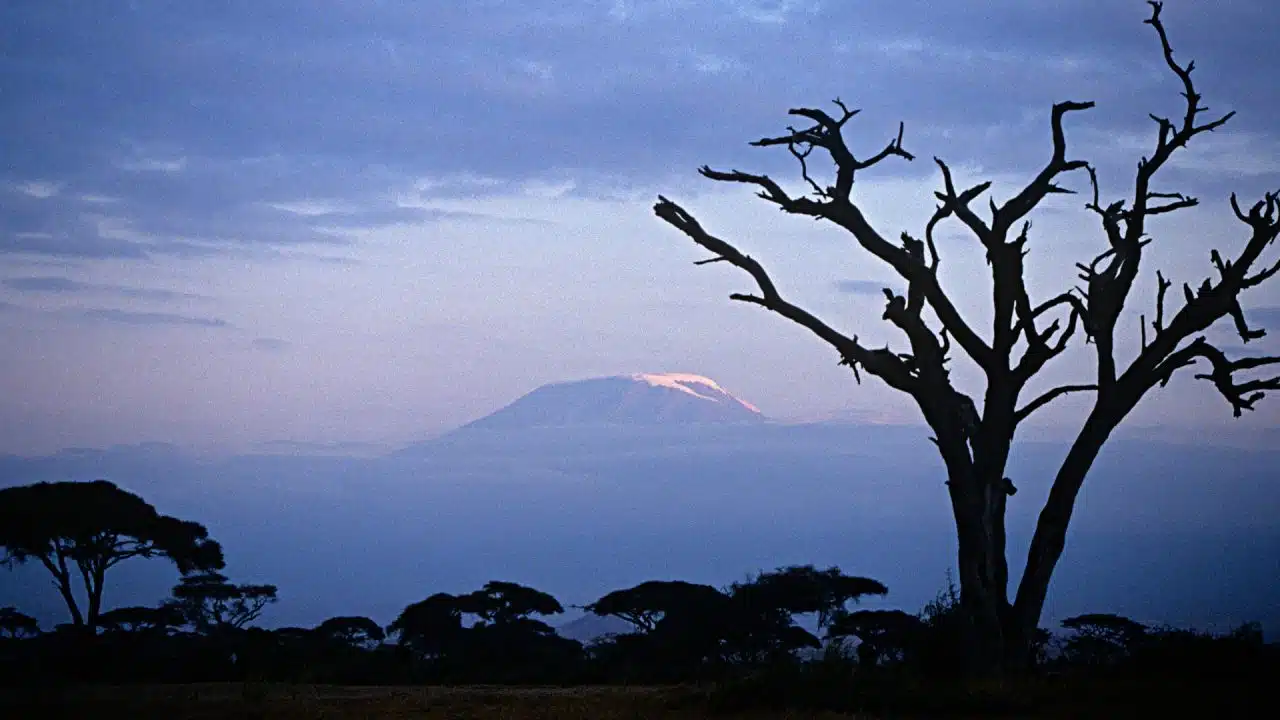
Few safari destinations capture the imagination quite like Amboseli National Park, a land where colossal elephants roam beneath the snow-dusted peak of Mount Kilimanjaro. Known as the “Land of Giants,” Amboseli is one of Kenya’s most iconic safari spots, a place where wildlife, landscapes, and culture converge in a breathtaking spectacle.
For travelers considering African safari tours or planning Kenya safari tours, Amboseli is often at the top of the list. Here’s everything you need to know about this remarkable park — from its wildlife and landscapes to conservation efforts and the best times to visit.
The Allure of Amboseli
Covering about 151 square miles (392 km²), Amboseli may not be the largest national park in Kenya, but what it lacks in size, it makes up for in drama. The park is world-famous for its unrivaled views of Mount Kilimanjaro, which rises just across the border in Tanzania. On clear mornings, the mountain’s white summit seems to float above the golden plains, creating one of Africa’s most photographed safari backdrops.
Amboseli is also one of the best places in the world to see elephants up close. Herds of up to 100 individuals can often be spotted wandering the open savannah or cooling off at the park’s swamps, a sight that defines the park’s nickname: “Land of Giants.”
Wildlife in Amboseli: More Than Just Elephants
While elephants are the undeniable stars, Amboseli hosts a full cast of African wildlife. The park is home to over 80 different mammal species and more than 400 species of birds, making it a paradise for wildlife enthusiasts and photographers.
Highlights include:
- The Big Cats: Lions are frequently sighted, particularly lounging under acacia trees or stalking prey across the plains. Leopards and cheetahs are rarer but still possible encounters.
- Buffalo and Wildebeest: Amboseli’s grasslands attract vast herds of buffalo, wildebeest, and zebra. Their seasonal movements often draw predators into action, giving visitors a chance to witness the raw drama of the wild.
- Giraffes and Gazelles: Towering giraffes and elegant gazelles dot the savannah, adding elegance to the park’s wildlife tapestry.
- Birdlife: Amboseli is a birdwatcher’s dream, with species such as the African fish eagle, pelicans, herons, secretary birds, and colorful bee-eaters. The swamps provide crucial habitats for both resident and migratory birds.
- Rhinos (Historic): Although rhinos once roamed Amboseli, poaching decimated their numbers in the 20th century. Conservationists are actively working to reintroduce and protect them.
Landscapes of Contrasts
Amboseli’s scenery is as diverse as its wildlife. Despite being a relatively small park, it packs in an extraordinary range of habitats:
- Savannah Grasslands: The open plains make game-viewing exceptional, with unobstructed vistas that stretch for miles.
- Marshlands and Swamps: Fed by underground rivers flowing from Mount Kilimanjaro’s glaciers, Amboseli’s swamps are lifelines for elephants, hippos, and birdlife, especially during the dry season.
- Woodlands: Acacia and doum palm groves provide shade and browsing grounds for giraffes, as well as shelter for predators.
- Dry Lake Bed: The seasonal Lake Amboseli dominates the center of the park. For much of the year, it is a dusty salt pan, but after heavy rains, it transforms into a shallow lake, attracting flocks of flamingos.
This patchwork of habitats ensures that visitors experience not just wildlife, but also the dramatic contrasts of Africa’s natural beauty.
The Maasai Connection
No exploration of Amboseli is complete without acknowledging the Maasai people, who have called this land home for centuries. The Maasai live in traditional homesteads, known as manyattas, around the edges of the park. Their vibrant culture, beadwork, and semi-nomadic way of life are deeply tied to the land and its wildlife.
Many Kenya safari tours in Amboseli include cultural visits to Maasai villages, offering travelers a chance to learn about traditions, herding practices, and the delicate balance between people and wildlife in this ecosystem.
Conservation Efforts
Amboseli is not just a tourist destination — it is a critical site for conservation. The park’s elephants, many of whom have been studied for decades, are among the most researched elephant populations in the world. The Amboseli Elephant Research Project, founded in 1972, has provided invaluable insights into elephant behavior, social structures, and challenges.
Conservation challenges do exist. Human-wildlife conflict, habitat pressure, and climate change all impact Amboseli. Yet the park remains a beacon of hope, with collaborative efforts between the Kenya Wildlife Service, local Maasai communities, and international conservation organizations ensuring that Amboseli’s heritage is preserved for future generations.
When to Visit Amboseli National Park
Amboseli is a year-round destination, but the experience varies depending on the season.
- Dry Season (June – October, January – February): The best time for game viewing. Animals congregate at the swamps, and clear skies make for excellent Kilimanjaro views.
- Wet Season (November – December, March – May): The landscape turns lush and green, birdlife is abundant, and fewer tourists are in the park. However, heavy rains can make some roads difficult to navigate.
Most travelers combine Amboseli with other safari hotspots like the Maasai Mara, Tsavo National Park, or Lake Naivasha for a richer safari circuit.
How to Experience Amboseli
Amboseli offers a variety of safari experiences that cater to different travel styles and budgets:
- Game Drives: Morning and afternoon drives are the standard way to explore. With the park’s open landscapes, photography opportunities are outstanding.
- Guided Nature Walks: Outside the park boundaries, guided walks with Maasai trackers allow you to experience the smaller details of the ecosystem.
- Cultural Visits: Learn about Maasai traditions, beadwork, and dance during organized village visits.
- Hot Air Balloon Safaris: Though more common in the Maasai Mara, balloon rides are occasionally available in Amboseli, offering a bird’s-eye view of the plains and Kilimanjaro.
- Eco-Tourism Programs: Some lodges incorporate conservation activities such as tree planting or wildlife monitoring into guest experiences.
Where to Stay
Amboseli offers a range of accommodations, from rustic tented camps to luxury lodges. Many properties feature unobstructed views of Kilimanjaro and are located near the park’s swamps for easy wildlife access. Some highlights include:
- Amboseli Serena Safari Lodge: Known for its Maasai-inspired design, comfort, and eco-friendly practices.
- Tortilis Camp: A luxury tented camp with panoramic views of Kilimanjaro.
- Satao Elerai Camp: Located on a private conservation area with strong community and wildlife initiatives.
Choosing the right lodge can greatly enhance your safari, blending comfort with an authentic connection to the land.
Practical Travel Tips
- Access: Amboseli is about a 4-hour drive from Nairobi (250 km). Scheduled flights to Amboseli airstrip are also available from Nairobi and other safari hubs.
- Safari Vehicles: Most African safari tours use 4×4 vehicles with pop-up roofs for optimal viewing and photography.
- Duration: 2–3 nights in Amboseli is ideal, often as part of a longer Kenya safari circuit.
- Packing: Lightweight clothing, binoculars, sun protection, and a good camera are essentials. Early mornings and evenings can be chilly, so pack layers.
- Visas & Health: A valid Kenya visa and recommended vaccinations (such as yellow fever) are required for most travelers. Consult your travel provider for details.
Why Amboseli Belongs on Your Safari Itinerary
Amboseli National Park embodies the essence of Kenya safari tours: dramatic landscapes, unforgettable wildlife encounters, cultural richness, and a sense of timeless Africa. Whether you’re marveling at elephants wading through swamps, watching the sun set over Kilimanjaro, or listening to Maasai warriors share their traditions, Amboseli is an experience that stays with you long after you leave.
For anyone dreaming of African safari tours, Amboseli is not just a stop on the map — it’s a destination that defines the safari experience.


