
A safari in Kenya is one of the most exhilarating travel experiences on earth. Imagine the first time you see a lion pride lounging under an acacia tree, or when a herd of elephants crosses in front of your 4×4 with Mount Kilimanjaro in the distance. These moments are unforgettable—but only if you’re comfortable, prepared, and ready for the adventure.
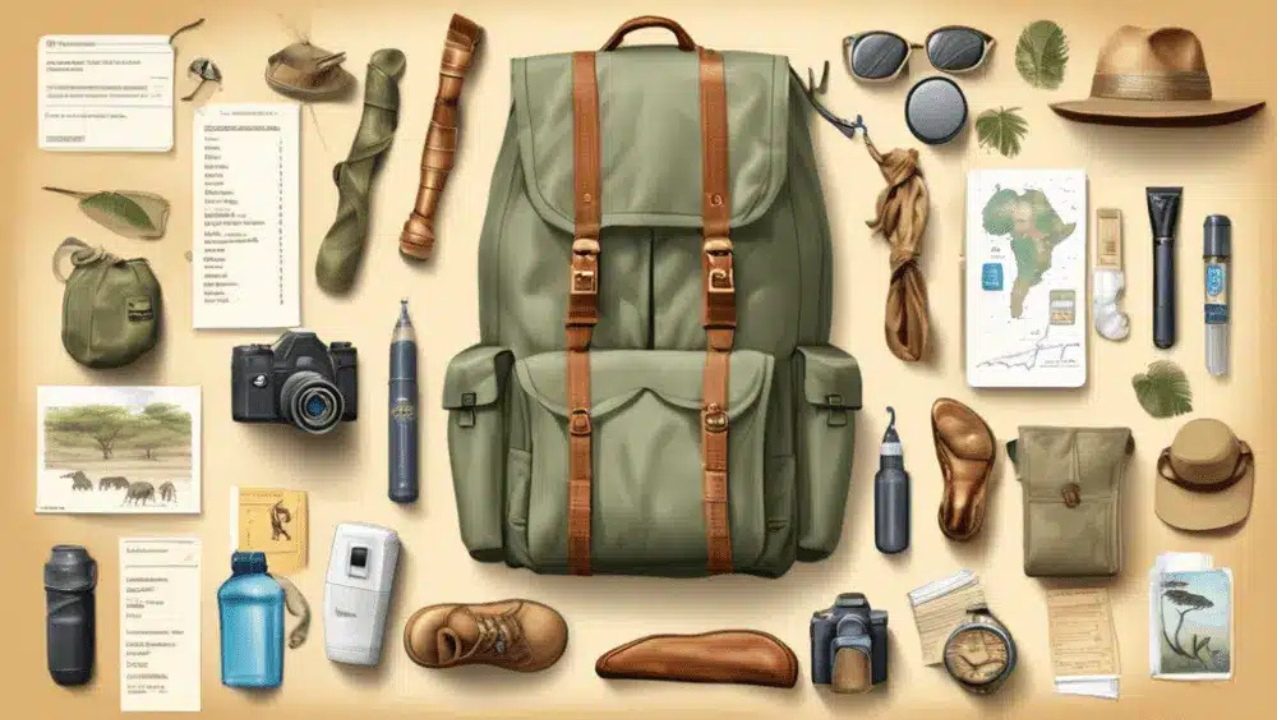
Packing for Kenya safari tours isn’t as simple as throwing clothes into a bag. The African bush comes with its own unique challenges: hot days, cool nights, long game drives, bumpy roads, and dust. The right gear can make the difference between distraction and full immersion in the magic of the wild.
Here’s a comprehensive guide on what to pack for your Kenyan safari so you can focus less on logistics and more on the incredible landscapes and wildlife encounters ahead.
1. Clothing: Dress for Comfort, Function, and Respect
What you wear on safari is more than a fashion choice—it’s about function, comfort, and respect. The right clothing keeps you cool in the heat, warm in the chill, protected from insects, and appropriately dressed for cultural encounters. When preparing for Kenya safari tours, think of your wardrobe as part of your toolkit for adventure.
Neutral Tones Are Best
Color matters on safari. Stick with earthy shades—khaki, olive, beige, or soft gray. These hues blend naturally with the environment, keeping you less noticeable to wildlife while also staying cooler under the equatorial sun.
Avoid bright colors or bold patterns; they may spook animals or make you stand out when you’d rather blend in. Steer clear of black and navy, which absorb heat and attract tsetse flies. White can look fresh, but it shows dirt and dust very quickly, and safari roads are often dusty.
Layer Up for Changing Conditions
Kenya’s climate isn’t one-size-fits-all. Early mornings on game drives can be surprisingly chilly, especially in high-altitude destinations like Lake Elmenteita, while midday sun can be scorching. Smart layering ensures you’re always comfortable:
- Lightweight, breathable t-shirts or long-sleeve shirts for sun protection.
- Fleece or sweater for evenings when the temperature drops.
- Light jacket or windbreaker for dawn and dusk drives.
- Breathable base layers if you’re traveling in cooler months (June–August).
Think of it as dressing for three seasons in one day.
Practical Bottoms
Durability and versatility go a long way. Safari drives involve climbing into vehicles, sitting for stretches of time, and occasionally walking uneven ground. Opt for:
- Convertible cargo pants—zip-off legs let you switch from trousers to shorts as temperatures rise.
- Comfortable shorts for lounging at camp or between activities.
- Long skirt or modest dress for cultural visits, particularly when engaging with Maasai or local communities, where respectful dress is appreciated.
Footwear: Comfort First
While you won’t be trekking for miles each day, you will be stepping in and out of safari vehicles, walking lodge grounds, and perhaps joining guided bush walks. Good footwear is essential:
- Sturdy, closed-toe shoes or trail sneakers for walking on rough terrain.
- Comfortable sandals for relaxing at camp or lodge decks.
- Flip-flops (optional) for poolside downtime or quick showers.
Make sure shoes are broken in before your trip to avoid blisters.
Safari Hat and Accessories
Kenya’s sun is intense, and dust is part of the adventure. Pack accessories that make your safari more comfortable:
- Wide-brimmed safari hat or a cap with a neck flap to protect against sunburn.
- Buff or lightweight scarf—a versatile piece that shields your face from dust on game drives, doubles as warmth in the morning chill, and can be used as a head covering in cultural settings.
- Light gloves (optional) if you’re visiting during cooler months or spending time at high-altitude destinations.
2. Luggage: Light and Practical
Packing smart is one of the most important steps to ensure your safari runs smoothly. Kenya’s domestic flights and safari vehicles often have limited luggage space, so the right bags make a big difference.
Soft-Sided Duffel Bag
Most African safari tours involve at least one internal flight on a small bush plane. These aircraft have strict weight restrictions (usually 15–20 kg / 33–44 lbs, including hand luggage). Hard-shell suitcases don’t fit easily in small cargo holds and may even be refused. A soft-sided duffel or safari-style bag is flexible, durable, and designed for these conditions. Many lodges will provide same-day laundry services, so you don’t need to overpack.
Daypack
In addition to your main bag, bring a small backpack or daypack for daily use. This should comfortably hold essentials like a camera, reusable water bottle, sunscreen, insect repellent, and a light jacket. On game drives, your daypack stays with you in the vehicle, keeping your must-haves within easy reach.
Packing Cubes
A traveler’s secret weapon. Packing cubes help organize clothing by type or activity—lightweight shirts in one, safari trousers in another, and evening wear in a third. When moving between camps, you won’t need to unpack everything to find a clean shirt. They also make it easier to repack quickly in the early mornings before your next transfer.
3. Safari Gear: Essentials for Game Drives
The wildlife encounters on Kenya safari tours are unforgettable, but the right gear helps you capture and enjoy every moment.
Binoculars
Guides often carry a pair, but having your own ensures you won’t miss that cheetah camouflaged in tall grass or a lilac-breasted roller flashing its colors. A lightweight 8×42 or 10×42 pair strikes the right balance between power and portability.
Camera Equipment
- For photography enthusiasts: A DSLR or mirrorless camera with a telephoto zoom lens (100–400mm range) is ideal for wildlife.
- Don’t forget: Extra batteries, memory cards, and lens cloths for dust. Power can be limited in remote lodges, so having spares prevents disappointment.
- For casual travelers: A modern smartphone with a stabilizer grip can still capture stunning landscapes and close encounters.
Reusable Water Bottle
Safari vehicles typically stock filtered water, but having a personal reusable bottle is more eco-friendly and ensures you stay hydrated. Kenya’s high-altitude parks can be deceptively dry, so sip often.
Small Flashlight or Headlamp
In the bush, electricity may be limited and pathways are dark at night. A headlamp keeps your hands free for navigating camp trails or reading in your tent.
Travel Journal or Notebook
Every safari is full of unforgettable moments. Jotting down your impressions, animal sightings, or even sketches creates a personal keepsake that photos alone can’t capture.
4. Health and Safety: Be Prepared
Travel Insurance
This is non-negotiable. Look for policies that cover medical emergencies, evacuation, trip cancellations, and lost baggage. Remote safari destinations may require medical evacuation in emergencies, which can be costly without coverage.
First Aid Kit
Pack a small personal kit with essentials:
- Band-aids, antiseptic wipes, and blister pads for minor cuts.
- Painkillers and motion sickness tablets for bumpy game drives.
- Antihistamines for allergies or insect bites.
- Your personal prescription medications (bring extra, stored in original containers).
Insect Repellent
Mosquitoes are most active at dawn and dusk. A repellent with DEET or picaridin helps prevent bites. Many lodges also provide mosquito nets for extra protection at night.
Sunscreen & Lip Balm
The sun at altitude is deceptively strong. Choose SPF 30+ broad-spectrum sunscreen and reapply during the day. Lip balm with SPF prevents dryness and cracking.
Hand Sanitizer & Wet Wipes
Game drives and roadside stops sometimes lack running water. Hand sanitizer keeps you clean before meals, while wet wipes are useful for dusty hands and faces.
5. Travel Documents and Money
Passport and Visa
Your passport must be valid for at least six months beyond your entry date. Most travelers to Kenya require an eVisa, which can be applied for online in advance.
Yellow Fever Certificate
If you are arriving from or transiting through a yellow fever risk country, you’ll need proof of vaccination to enter Kenya. Keep the certificate in your travel wallet.
Travel Wallet
Use a waterproof, zippered organizer to keep essentials safe and accessible:
- Passport and copies of it.
- Credit/debit cards (Visa and Mastercard are most widely accepted).
- U.S. dollars in small bills, which are useful for tips and payments.
- Emergency contacts and insurance policy details.
Tipping Cash
Tipping is customary and appreciated by guides, drivers, and lodge staff. Carry small denominations of USD or Kenyan shillings. Your tour consultant can provide guidelines on suggested amounts.
6. Tech and Connectivity
Power Adapter
Kenya uses the British-style Type G plug. A universal adapter is useful, especially if you’re continuing to other African safari tours in countries with different plug types.
Portable Charger
Game drives can last all day, and charging points at lodges may be limited. A reliable power bank ensures your phone and camera are always ready when a pride of lions strolls by.
SIM Card or eSIM
Safaricom is the most reliable provider in safari regions. Buy a prepaid SIM card at the airport or request an eSIM before you travel. While many lodges offer Wi-Fi, connections can be slow or intermittent—perfect for disconnecting, but a local SIM helps with essentials like maps and family check-ins.
7. Comfort Extras You’ll Thank Yourself For
While your safari essentials cover survival and wildlife-viewing gear, the little “creature comforts” can elevate your trip from good to great. Think of these as the small items that make long days in the bush more enjoyable:
- Lightweight travel blanket – Morning game drives often start before sunrise when temperatures can be crisp. A compact, packable blanket adds a cozy layer in the open-air safari vehicle.
- Earplugs and eye mask – Nights in the bush are magical, but they’re also alive with sound. Lions roaring, hyenas whooping, hippos grunting—thrilling during the day, not so much when you’re trying to sleep. A mask and plugs help you rest between adventures.
- Snacks for long drives – Your lodge will keep you well-fed, but game drives can stretch several hours. Having nuts, granola bars, or dried fruit in your daypack gives you an energy boost without waiting until the next meal stop.
- Swimsuit for lodge pools – Many safari lodges, including those around Lake Elmenteita and Amboseli, feature stunning pools overlooking the plains. Packing a swimsuit means you won’t miss out on cooling dips between drives.
- Books or a Kindle – Game drives run early morning and late afternoon, leaving downtime in between. A good book, e-reader, or even a travel journal makes for the perfect bush break companion.
8. What NOT to Pack
Knowing what to leave behind is just as important as knowing what to bring. A few items that cause more hassle than help:
- Camouflage clothing – Illegal for civilians in Kenya, as it’s reserved for the military. Neutral tones like khaki, olive, or beige are best.
- Bright white clothes – They not only show dust and dirt instantly but also make you stand out on game drives, which is the opposite of blending into the bush.
- Excessive jewelry or valuables – The safari is not the place for expensive watches, earrings, or necklaces. Dust, loss, and theft risks outweigh any fashion statement.
- Hair dryers and high-wattage appliances – Many safari camps and lodges rely on generators or solar power. High-energy devices may not work and could even damage local power systems. Stick to low-energy chargers and essentials.
Travel light, travel smart—the bush rewards practicality over flash.
9. Packing Checklist at a Glance
Here’s a quick summary you can double-check before zipping up your bag:
Clothing:
- Neutral layers (lightweight shirts, fleece/jacket for mornings/evenings)
- Safari hat or wide-brimmed sunhat
- Sturdy closed-toe shoes for walks
- Sandals or flip-flops for lodge downtime
Gear:
- Binoculars (wildlife spotting essential)
- Camera with extra batteries and memory cards
- Reusable water bottle (filtered water usually provided)
- Flashlight or headlamp for evenings at camp
Health:
- Travel insurance documents
- Compact first aid kit (band-aids, pain relief, rehydration salts)
- Sunscreen (SPF 30+)
- Insect repellent with DEET or picaridin
Documents:
- Passport with at least 6 months’ validity
- Entry visa (eVisa recommended for Kenya)
- Yellow fever vaccination certificate (required for entry)
- Money (USD cash and credit card; check with your operator for tips & payments)
Tech:
- Universal power adapter
- Portable charger/power bank
- Local SIM card or eSIM for data and calls
Comfort Extras:
- Lightweight travel blanket
- Snacks for drives
- Swimsuit
- Journal or Kindle
- Earplugs and an eye mask
Final Thoughts: Travel Light, Travel Smart
The goal of a safari is to immerse yourself in Kenya’s wilderness, not fuss over luggage. When packing, think practicality, comfort, and minimalism. Every item should serve a purpose—whether protecting you from the sun, keeping you comfortable during a bumpy drive, or helping you capture once-in-a-lifetime photos.
By preparing smartly, you’ll enjoy your Kenya safari tours with peace of mind—whether you’re gazing at flamingos in Lake Nakuru, watching elephants beneath Kilimanjaro in Amboseli, or witnessing the great migration in the Maasai Mara.
Remember: safaris are about being present in the moment. Pack wisely, travel light, and let Africa do the rest.
At Safari Ventures, we’ve been curating unforgettable Kenya safari tours and African safari tours for over 25 years. From Nairobi to the Maasai Mara and Lake Elmenteita, our team ensures every detail is handled so you can focus on the adventure.


