When travelers think of Kenya, iconic names like the Maasai Mara and Amboseli often come first to mind. Wildebeest migrations, lion prides, and views of Mount Kilimanjaro dominate the safari headlines. Yet tucked quietly in Kenya’s Great Rift Valley lies a destination less known but just as extraordinary: Lake Elmenteita and the Soysambu Conservancy.
This UNESCO World Heritage Site is more than just a scenic stop — it is a sanctuary where birdlife thrives, flamingos paint the water pink, and conservation stories unfold. For travelers seeking something different, this hidden paradise offers a rare opportunity to combine wildlife viewing, cultural history, and tranquil landscapes.
The Jewel of the Rift Valley
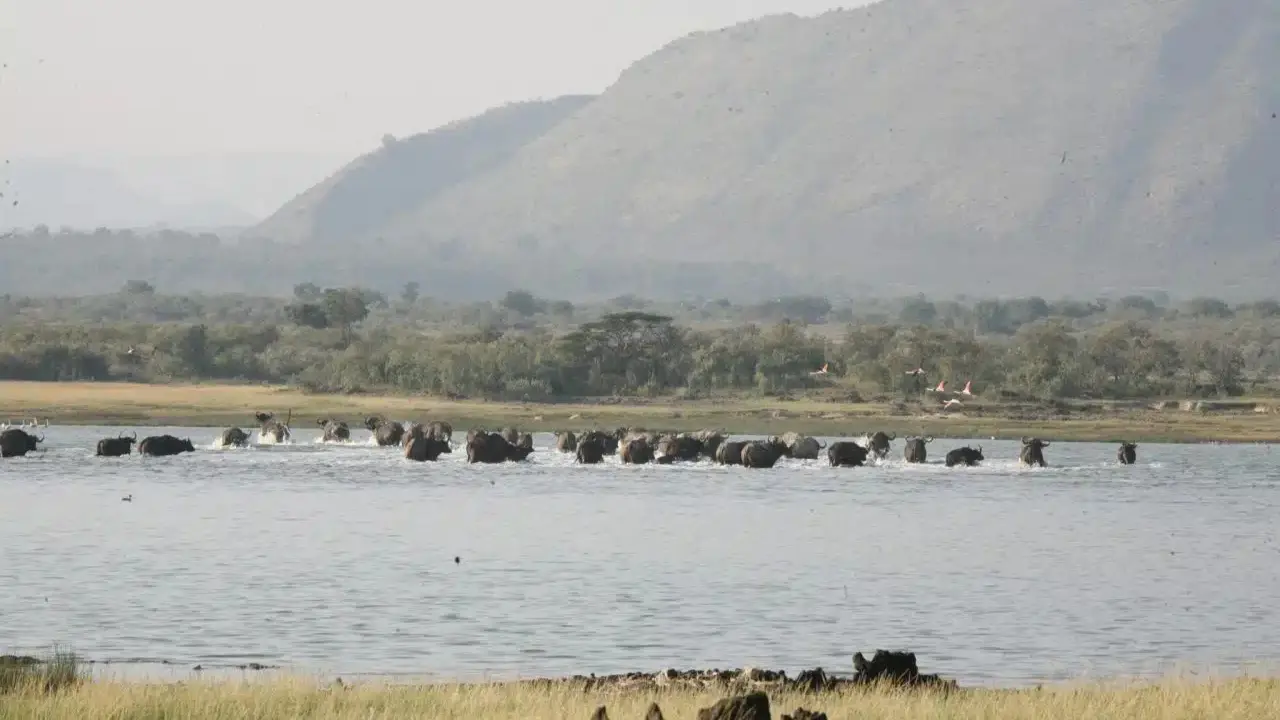
Lake Elmenteita, sometimes called Lake Elementeita, is one of the smaller soda lakes of Kenya’s Rift Valley. Located between Lake Naivasha and Lake Nakuru, it is less crowded than its more famous neighbors, yet arguably more pristine.
The name “Elmenteita” comes from the Maasai word Muteita, meaning “place of dust,” a nod to the area’s volcanic soils and dry climate. But the lake itself is anything but dusty — it shimmers under the African sun, attracting both wildlife and adventurers.
Bordering the lake is Soysambu Conservancy, a 48,000-acre private conservancy established to protect this delicate ecosystem. It’s part of the Kenya Lake System in the Great Rift Valley, designated as a World Heritage Site for its unique biodiversity and outstanding universal value.
A Birdwatcher’s Dream
Lake Elmenteita is best known as a birdlife paradise. More than 450 species have been recorded here, making it a magnet for ornithologists and nature enthusiasts alike.
Among the most iconic residents are the flamingos. At times, tens of thousands of them gather to feed on the lake’s algae, turning the waters into a sea of pink. Both the Greater and Lesser Flamingo can be spotted, providing photographers with picture-perfect moments.
Other highlights include:
- Great White Pelicans nesting in large colonies on the shoreline.
- Raptors such as Fish Eagles, Augur Buzzards, and Verreaux’s Eagles circling the skies.
- Waterbirds like the Pied Avocet, Little Grebe, and Black-winged Stilt feeding in the shallows.
- Endangered species such as the Grey-crested Helmetshrike and the Rothschild’s Giraffe, which roam the conservancy alongside the birdlife.
For anyone considering Kenya safari tours, this is a stop that offers more than just the “Big Five.” It is a reminder that Kenya’s magic is not only in its large mammals but also in its skies and wetlands.
Wildlife Beyond Birds
While birdlife dominates the scene, Soysambu Conservancy is home to an impressive variety of other wildlife. Zebras graze by the lakeshore, giraffes move gracefully through the acacia woodlands, and antelope keep watch across the savannah.
Predators, including leopards and hyenas, patrol the conservancy, while buffalo and warthogs add to the diversity. Perhaps most importantly, Lake Elmenteita and Soysambu play a crucial role in the survival of Black and White rhinos. Conservation programs here protect these endangered animals and provide them with a safe habitat.
This combination of species makes it an ideal inclusion in African safari tours. Travelers can complement the classic game drives of the Maasai Mara with a more intimate wildlife experience at Soysambu.
Conservation in Action
Soysambu Conservancy is not just a wildlife destination; it is a working model of conservation and community partnership. Once part of the Delamere family ranch, the land was set aside to restore and protect ecosystems under pressure.
Key conservation efforts include:
- Rhino protection programs to safeguard one of Kenya’s most threatened species.
- Anti-poaching patrols to protect elephants, giraffes, and smaller game.
- Habitat restoration, including reforestation and erosion control.
- Community partnerships with local Maasai and Kikuyu groups, promoting education and sustainable livelihoods.
For travelers who care about responsible tourism, Soysambu offers the chance to directly support initiatives that preserve Kenya’s wildlife heritage for future generations.
Safari Activities Around Lake Elmenteita
Whether you’re an avid birder, a photographer, or a traveler simply seeking tranquility, there’s much to experience at Lake Elmenteita and Soysambu Conservancy:
- Guided Game Drives: Explore the open plains and woodlands with experienced guides who can spot wildlife you might otherwise miss.
- Nature Walks: On-foot explorations allow for close encounters with birdlife, insects, and plants.
- Horse Riding Safaris: A unique way to explore the conservancy’s landscapes while blending into the environment.
- Cultural Visits: Meet local Maasai communities and learn about traditions, crafts, and conservation partnerships.
- Photography Tours: With flamingos, pelicans, giraffes, and dramatic Rift Valley backdrops, this is a dream destination for landscape and wildlife photographers.
- Bush Dining: Private dinners in the wild under the African sky make for unforgettable safari memories.
For those designing their Kenya safari tours, these experiences create a perfect contrast with the busier national parks.
Where to Stay: Lake Elmenteita Serena Camp
The standout accommodation at Lake Elmenteita is the Lake Elmenteita Serena Camp, an upscale tented camp blending comfort with nature.
Highlights include:
- Luxury safari tents with en-suite bathrooms, private verandas, and views of the lake.
- The Flamingo Suite, complete with a Jacuzzi overlooking the water — a favorite for honeymooners.
- A pool and spa services for relaxation after game drives.
- Dining experiences ranging from fine dining to bush meals under the stars.
- Eco-friendly operations, ensuring tourism supports conservation.
This lodge gives travelers the balance of wilderness and comfort, making it one of the hidden gems of African safari tours.
Best Time to Visit
Lake Elmenteita can be visited year-round, but different seasons offer unique experiences:
- July to October: Dry season, excellent for game viewing and photography.
- November to March: Wet season, when migratory birds arrive and landscapes turn lush.
- April to June: Fewer tourists, lower rates, and dramatic skies perfect for photographers.
Because the lake’s water levels fluctuate, flamingo numbers can change dramatically from season to season. Checking with your safari operator helps you plan the best time for birdlife sightings.
Why Add Lake Elmenteita to Your Safari?
Many travelers focus only on Kenya’s “big name” parks. While Maasai Mara, Amboseli, and Tsavo are undeniably incredible, adding Lake Elmenteita offers a different perspective:
- It’s peaceful and less crowded.
- It highlights birdlife and smaller wildlife often missed elsewhere.
- It’s a short drive from Nairobi, making it easily accessible.
- It combines luxury with conservation, offering an experience that feels exclusive yet meaningful.
For those piecing together Kenya safari tours, this stop ensures your journey goes beyond the expected.
Final Thoughts
Lake Elmenteita and Soysambu Conservancy might not have the same fame as the Maasai Mara, but for those who seek nature’s quieter treasures, it is a paradise waiting to be discovered. Flamingos, pelicans, giraffes, and rhinos thrive here alongside conservation projects that protect Kenya’s future.
In a world where overtourism threatens delicate ecosystems, destinations like Soysambu remind us of the importance of sustainable travel. For birdwatchers, photographers, or anyone who wants to see a different side of Kenya, this is a must-visit gem.
So, when you’re planning your next African safari tours, consider including Lake Elmenteita and Soysambu Conservancy. You’ll walk away not only with extraordinary memories but also with the knowledge that your journey has contributed to preserving one of Kenya’s hidden wildlife havens.