
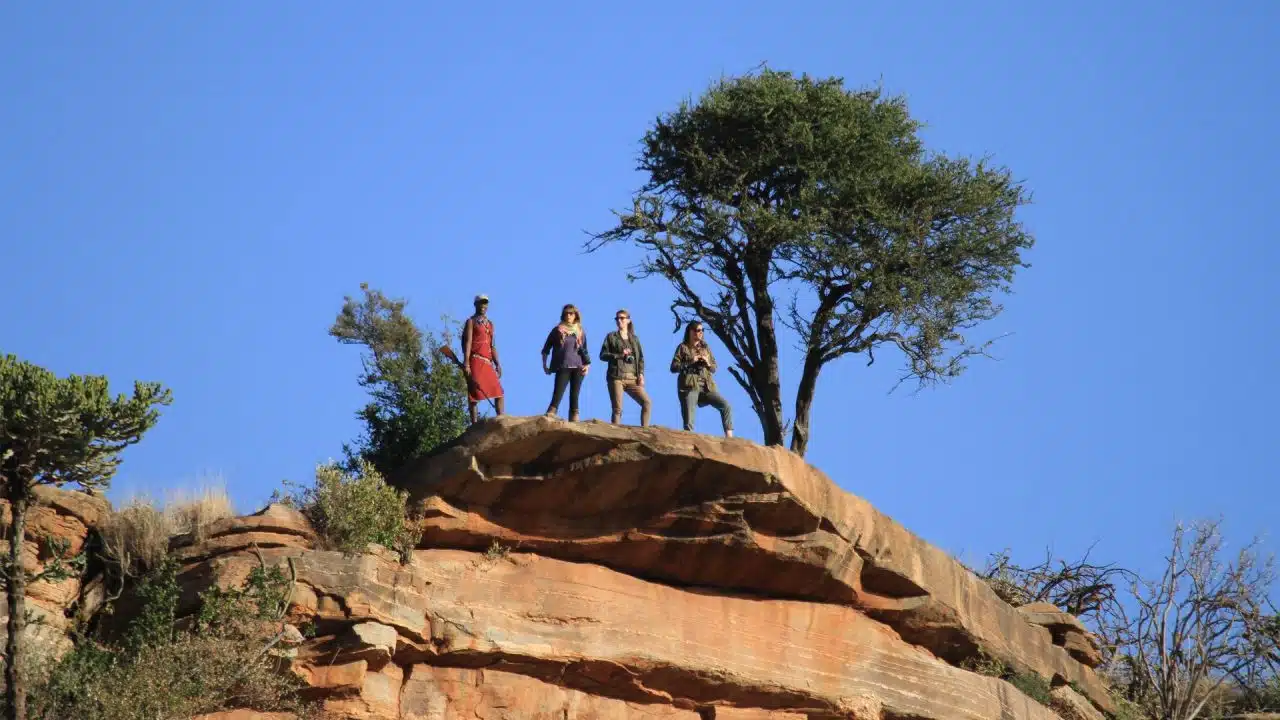
If there’s one piece of advice seasoned explorers will give you about planning a safari in Kenya, it’s this: book early. A Kenya safari tour is one of the most sought-after travel experiences in the world, and the best lodges, guides, and game-viewing opportunities often fill up a year in advance. Whether your dream is to witness the Great Migration in the Maasai Mara, photograph elephants beneath Mount Kilimanjaro, or sleep under the stars in a luxury tented camp, a little foresight can make the difference between a good trip and an extraordinary one.
This guide unpacks why smart travelers plan their African safari tours 12 months ahead, what you gain by doing so, and how to build an itinerary that guarantees memories to last a lifetime.
Why Kenya Belongs on Your Travel Bucket List
Kenya sits at the heart of East Africa and has long been the gold standard for safari travel. Here’s why:
- The Great Migration – Every year between July and October, over a million wildebeest and zebra thunder across the Mara River in the Maasai Mara, one of the world’s most dramatic wildlife spectacles.
- Big Five Game Viewing – Lion, leopard, elephant, rhino, and buffalo roam Kenya’s national parks in healthy numbers, offering some of the best photographic opportunities anywhere.
- Diverse Landscapes – From the savannahs of Amboseli to the flamingo-dotted Rift Valley lakes, to Samburu’s rugged northern terrain, Kenya is a land of contrasts.
- Cultural Encounters – Kenya is also home to the Maasai, Samburu, and other communities whose traditions add depth and perspective to a safari experience.
With so much to see, it’s no surprise that Kenya safari tours sell out quickly, especially during peak migration season.
Why Booking 12 Months in Advance Makes Sense
1. Secure the Best Lodges
The most authentic lodges and luxury tented camps in Kenya are often small, boutique properties with fewer than 20 rooms. These lodges book out quickly — sometimes more than a year ahead, especially if they’re in migration hotspots like the Mara Triangle. By planning early, you guarantee your place in the camps that match your style and budget.
2. Lock in Competitive Pricing
Safari prices fluctuate depending on demand, availability, and exchange rates. By reserving your spot 12 months out, you protect yourself from last-minute price hikes. Many operators also offer early-bird discounts or flexible payment schedules when you commit well ahead of time.
3. Access Top Guides
Great guides make or break a safari. The most experienced naturalists — the ones who can track leopards at dawn or explain the Maasai’s relationship with the land — are in high demand. Booking far in advance ensures your trip is led by guides who elevate your experience from ordinary sightseeing to profound discovery.
4. Smooth International Travel Planning
Flights into Nairobi and regional bush flights to parks like Amboseli and the Mara can fill quickly during peak season. Booking early allows you to sync your safari schedule with flights, avoiding awkward overnight layovers or sky-high airfare.
5. Stress-Free Preparation
Traveling to Africa often requires visas, vaccines, and careful packing. With 12 months of lead time, you can handle these logistics without the stress of last-minute rushing.
The Best Times to Visit Kenya
Kenya is a year-round destination, but timing is everything when choosing African safari tours.
- July – October: The Great Migration in the Maasai Mara, peak season with high demand.
- January – March: Excellent game viewing, fewer crowds, and pleasant weather.
- April – May: Known as the long rains season, quieter and more affordable but with occasional muddy roads.
- November – December: Short rains bring lush green landscapes and dramatic skies, ideal for photographers.
Booking 12 months in advance is particularly important if your heart is set on July to October, when the migration draws travelers from across the globe.
How to Plan a Kenya Safari 12 Months in Advance
Step 1: Define Your Safari Style
Do you imagine yourself in a luxury lodge with infinity pools overlooking the savannah, or in a rustic tent with the sounds of lions calling at night? Are you traveling with family, seeking romance, or chasing photographic opportunities? Clarifying your safari style helps narrow the choices early.
Step 2: Choose Your Parks
Kenya offers a wide variety of safari destinations:
- Maasai Mara – Iconic migration and Big Five sightings.
- Amboseli – Elephants under Mount Kilimanjaro’s snowcapped peak.
- Lake Nakuru & Lake Naivasha – Birdwatching, rhinos, and dramatic Rift Valley landscapes.
- Samburu – Home to rare species like Grevy’s zebra and reticulated giraffe.
- Tsavo East & West – Vast wilderness and red-dust elephants.
Most Kenya safari tours combine two or three regions to give travelers a balance of landscapes and wildlife.
Step 3: Work with Specialists
Safari isn’t a DIY trip. A trusted safari operator with first-hand knowledge of Kenya ensures you’re placed in the right lodges, traveling at the right time, with the right guides. The best operators also provide 24/7 support while you’re in-country, so you’re never left on your own if flights or weather change plans.
Step 4: Budget Smartly
A well-planned Kenya safari can be tailored to a wide range of budgets. Costs depend on accommodation style, group size, and season. Booking early allows you to pay deposits gradually and avoid financial surprises.
Step 5: Add Unique Experiences
With time on your side, you can secure extras like:
- Hot air balloon safaris over the Maasai Mara.
- Walking safaris with armed rangers.
- Visits to Maasai villages for cultural exchange.
- Tree-planting initiatives in Amboseli for eco-conscious travelers.
Tips from Smart Safari Travelers
- Ask About Sustainability – Choose lodges that support conservation and local communities.
- Pack Light, Pack Right – With a year to plan, you can assemble the right gear without overspending.
- Stay Flexible – Booking early secures your place, but keep an open mind for last-minute adjustments.
- Combine Destinations – Many travelers pair Kenya with Tanzania or Zanzibar. Planning ahead ensures seamless border crossings and flight connections.
- Insure Your Trip – Comprehensive travel insurance is essential for international safaris.
Common Mistakes to Avoid
- Booking Too Late – Waiting until six months out often means fewer choices and higher costs.
- Chasing Too Many Parks – Less is more. Two or three parks give you time to truly enjoy each without spending all your days in transit.
- Overlooking Seasonal Nuances – Wildlife density and accessibility vary by month; consult an expert.
- Forgetting the Details – Don’t overlook visas, vaccinations, or packing guidelines.
The Payoff of Early Planning
Booking your Kenya safari tour 12 months ahead is not about being overly cautious — it’s about giving yourself the best chance to craft the journey you truly want. You’ll have your pick of lodges, the most skilled guides, and a stress-free runway to prepare. Most importantly, you’ll step off the plane in Nairobi with confidence, knowing every detail has been carefully arranged.
When the wildebeest surge across the Mara River, or when Kilimanjaro’s snow-tipped peak glows pink at dawn, you won’t be thinking about whether you should have booked sooner. You’ll be living the dream — the one you secured with smart planning.
Final Word
A safari in Kenya is a once-in-a-lifetime journey for many travelers. By planning 12 months ahead, you’re not only securing a trip — you’re investing in peace of mind, richer experiences, and a front-row seat to nature’s most awe-inspiring shows.
If Kenya is calling, don’t wait. Reach out to us and lock in the adventure today. The plains of Africa will be waiting, but the best spots won’t.


