
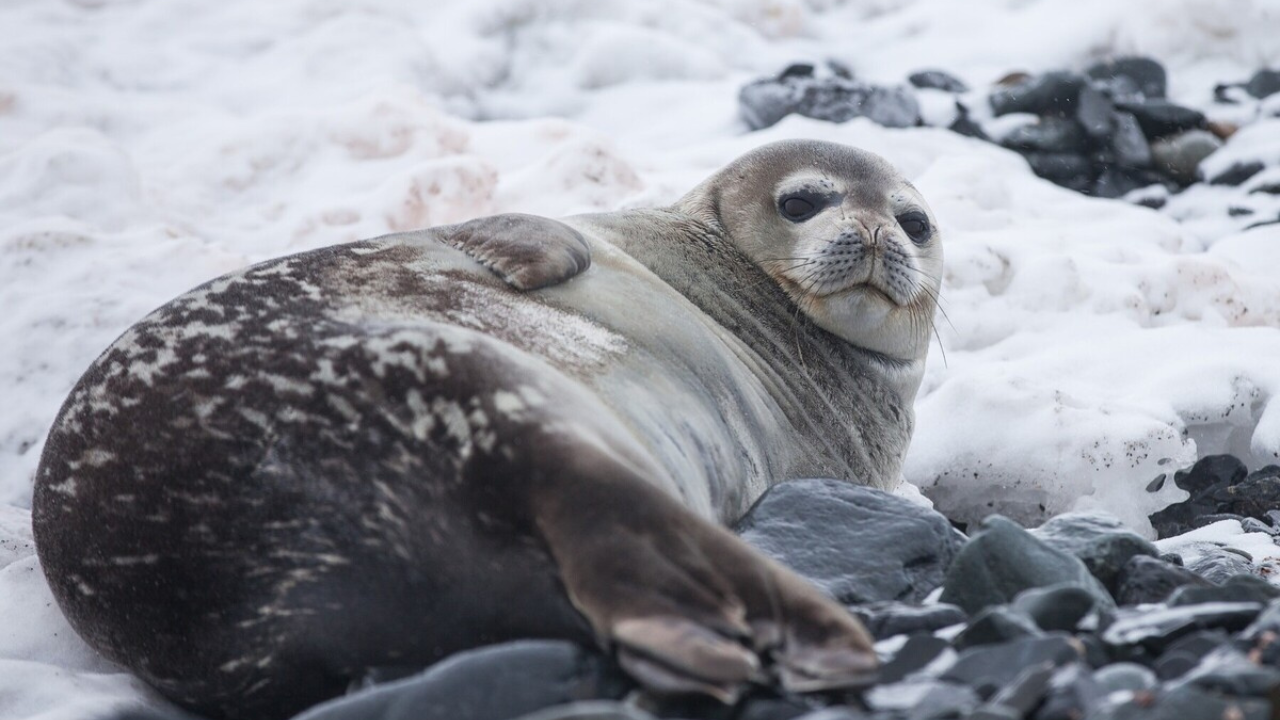
When you think of safaris, most people picture Africa—lion prides in golden grass, elephants against the horizon. But there’s another kind of safari waiting for travelers who dare to venture farther south. An Antarctica safari isn’t about zebras and giraffes. It’s about ice, silence, and the chance to stand face-to-face with one of the most extraordinary animals on earth: the Emperor penguin.
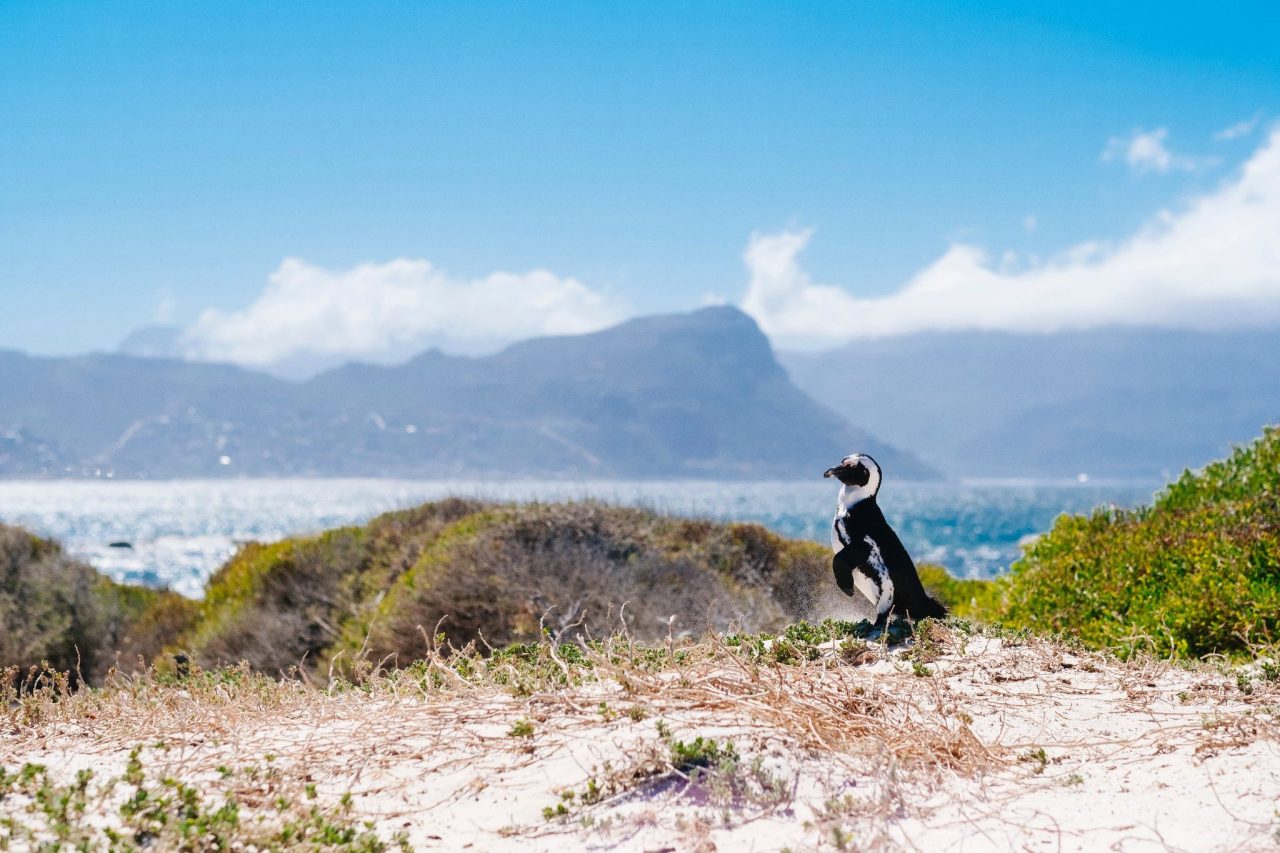
If you’re lucky enough to join one of the few Antarctica safari tours that take you to their colonies, you’ll want to capture more than just memories. You’ll want photos that tell the story—their size, their resilience, and the drama of life at the bottom of the world. Getting that perfect shot isn’t just about pointing and clicking; it’s about patience, preparation, and understanding the unique environment.
Here are four safari photography tips that work perfectly for Emperor penguin shots.
1. Prepare for the Cold Like a Photographer, Not Just a Traveler
Antarctica is no place for equipment that can’t handle the elements. The extreme cold will test not only you but also your camera. Batteries drain faster, lenses fog up, and fingers freeze if you’re fumbling with tiny buttons.
What to do:
- Pack extra batteries. Cold temperatures can cut battery life in half. Keep spares in an inside pocket close to your body heat.
- Use weather-sealed gear. DSLRs and mirrorless cameras built for rugged conditions are worth the investment. If you’re not sure your gear can handle it, bring waterproof covers or even zip-lock bags as a backup.
- Protect your hands. Thin liner gloves under thicker mittens let you work your camera without exposing skin too long.
- Check condensation. Moving from warm tents to the freezing outdoors can fog up lenses. Give your gear time to adjust.
Think of this as prepping your gear the way you’d prep yourself. On an Antarctica safari, you’re not just sightseeing—you’re surviving and photographing at the same time.
2. Get Low, Get Close, and Respect the Rules
Emperor penguins are surprisingly tall—up to 4 feet—and they move with a mix of dignity and awkwardness that makes them mesmerizing. To capture their personality, you need the right angle. Shooting from above tends to flatten the scene. Shooting from their level brings out the intimacy.
Practical tips:
- Kneel or lie down. Getting to eye level makes your viewer feel part of the moment, not an outsider looking in.
- Use a telephoto lens. Tours enforce strict distance rules to protect wildlife. A 100–400mm zoom is a sweet spot for penguin photography, letting you stay back while still filling the frame.
- Respect the buffer zones. On all legitimate Antarctica safari tours, guides will remind you to keep distance. Disturbing a penguin colony can cause stress or disrupt breeding. The best photos often happen when you’re patient and let the penguins come into view naturally.
Remember, the story isn’t just about a single penguin—it’s about context. An adult huddled against the wind, a chick tucked under feathers, or a group moving in a line across the ice tells a bigger story than a close-up face shot alone.
3. Play With Light in a Land of Extremes
Antarctica’s light is unlike anywhere else. Depending on the time of year, you might have 24-hour daylight or long stretches of twilight. The sun sits low on the horizon, casting dramatic shadows and a constant golden hue. For photographers, it’s heaven—but also tricky.
How to master the light:
- Avoid midday glare. Ice reflects harshly when the sun is high. Early mornings and late evenings create softer tones.
- Use backlighting. A penguin’s silhouette against glowing ice or snow adds drama and mystery.
- Watch exposure. Cameras often underexpose snow, making it look gray. Use exposure compensation (+1 stop) to keep whites crisp.
- Capture contrasts. The black and white plumage of Emperors pops beautifully against the icy landscape. Position them against backgrounds that highlight the contrast rather than blend in.
Think of Antarctica as your giant studio. Instead of fighting the light, play with it. You’ll find that some of your best images aren’t the sharp portraits but the ones where light and landscape tell half the story.
4. Patience Is the Secret Weapon
Penguins don’t pose on command. They shuffle, they huddle, they dive, and sometimes they just stand still for what feels like hours. The difference between a good shot and a great shot is often how long you’re willing to wait.
What patience looks like in practice:
- Observe before you shoot. Watch how the colony behaves—parents feeding chicks, pairs calling, groups marching to the sea. This gives you a sense of rhythm.
- Anticipate movement. Once you notice patterns, you can predict when something magical might happen—like a chick peeking out or a penguin sliding across ice.
- Use burst mode wisely. Continuous shooting increases your chances of catching action, but don’t rely on it alone. Timing is more important than filling your memory card with hundreds of nearly identical shots.
- Embrace stillness. Sometimes the best photo is one that conveys the silence and serenity of Antarctica itself. A lone penguin against endless white says as much as a dramatic chase.
On an Antarctica safari, the pace is different. You’re not rushing from sight to sight like in other destinations. You’re immersing yourself in a place where time feels stretched. Photography should follow that same rhythm.
Bonus Tip: Tell a Story With Your Series
One photo can be breathtaking, but a series can transport someone to Antarctica. Think about your shots as a sequence: the wide view of the ice field, the approach to the colony, the close-ups of behavior, and the intimate details like footprints in the snow. Together, they build a narrative that captures not just what penguins look like but what it feels like to be there.
When you return home and share your photos, you’re not just showing off your skills—you’re giving friends and family a glimpse of the magic only a few people on Earth will ever experience.
Why Photography Matters on an Antarctica Safari
Some travelers ask, “Why not just enjoy the moment instead of focusing on the camera?” The truth is, in Antarctica, the two go hand in hand. The act of photographing slows you down, makes you notice details you might otherwise miss, and helps you remember emotions long after you’ve left.
But there’s a bigger reason, too. Responsible Antarctica safari tours emphasize conservation. Your photos become part of that mission. They inspire others to value these places, to understand why colonies must be protected, and to dream about journeys that don’t harm the fragile ecosystem.
Final Thoughts
Photographing Emperor penguins is one of the rarest opportunities in travel. It’s not something you stumble upon—it’s something you plan, invest in, and savor through once-in-a-lifetime Antarctica safari tours.
Remember the essentials:
- Prep your gear for the cold.
- Get low and respect wildlife boundaries.
- Use Antarctica’s unique light to your advantage.
- Be patient—let the story unfold naturally.
With these tips, your shots won’t just be good; they’ll be unforgettable. And when you look back at them years from now, you won’t just see penguins—you’ll feel the crunch of ice, the sting of cold air, and the awe of standing at the edge of the world.


