If you’re dreaming of a Sabi Sands safari, one of the most important questions you’ll ask is: When should I go? Timing is everything when it comes to safari adventures. From dramatic wildlife encounters to the comfort of your lodge, the season you choose shapes your entire experience.
Let’s walk through the best times of year to plan your Sabi Sands safari tour—what you’ll see, what the weather is like, and how to match the season to your travel style. By the end, you’ll know exactly when to book that Sabi Sands safari package for the kind of game drives you’ll never forget.
Why Sabi Sands Is Safari Royalty
Before we dive into seasons, let’s set the scene. The Sabi Sands Game Reserve borders South Africa’s famous Kruger National Park, but with one big difference: it’s private. That means fewer vehicles, expert rangers, and an intimacy you won’t find in larger public parks.
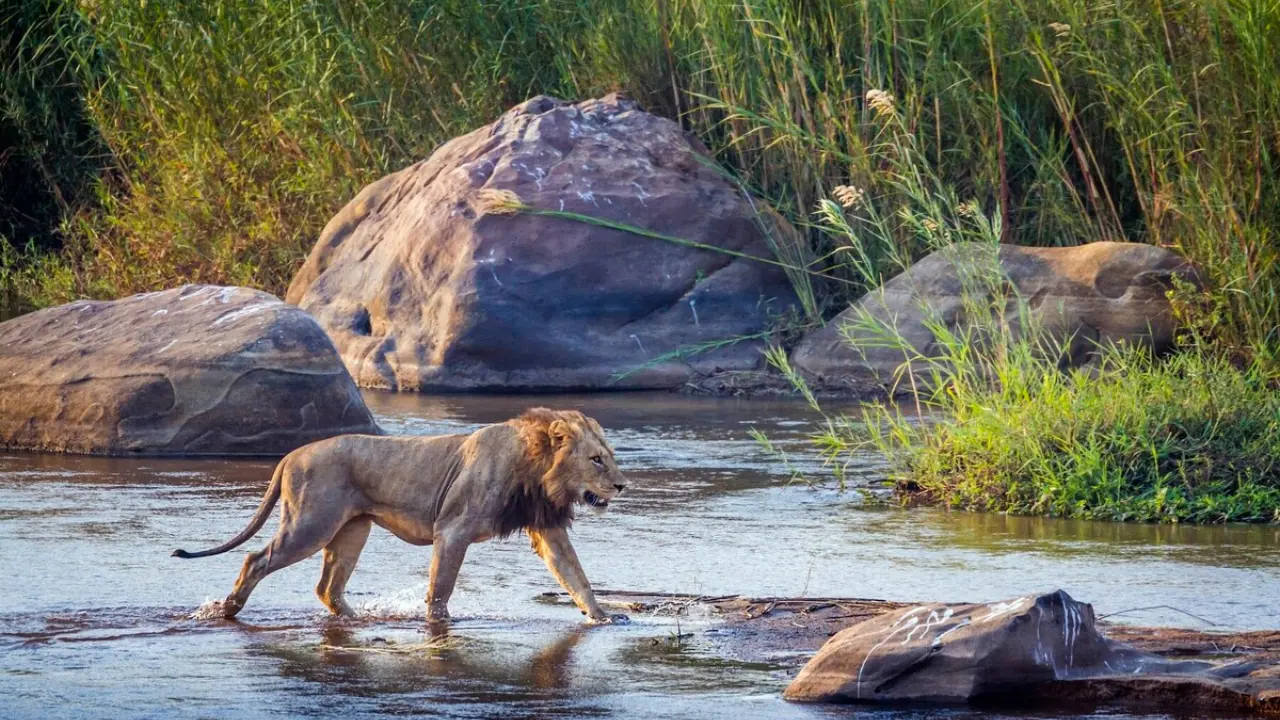
Here, game drives don’t stick to strict roads. You can follow a leopard through the bush, pause as a herd of elephants crosses your path, or sit in silence while lions wake up at dawn. Add to that the legendary Sabi Sands luxury safari lodges, and you’ve got an experience that blends wild adventure with absolute comfort.
The Sabi Sands Seasons at a Glance
South Africa’s safari calendar falls into two main seasons:
- Dry season (May to September) – Winter months, cool mornings and evenings, little rainfall.
- Wet season (October to April) – Summer months, hot days, afternoon rains, lush landscapes.
Each has its own magic. Let’s break it down.
Dry Season: May to September – Prime Game Viewing
If your goal is crystal-clear wildlife sightings, this is the jackpot.
- Wildlife: With waterholes shrinking and grass thinning out, animals gather around rivers and open clearings. This makes it much easier to spot lions, leopards, rhinos, and elephants. Predators are especially active, following herds that move in search of water.
- Weather: Mornings and evenings are chilly, but midday is pleasantly warm. Bring a jacket for those sunrise drives, but expect sunny skies and low humidity.
- Atmosphere: The landscape looks more rugged and golden, with dry grasses. It feels raw, untamed, and thrillingly wild.
Best for: Travelers focused on action-packed game drives and wildlife photography.
Wet Season: October to April – The Green, Lush Side of Sabi Sands
Now let’s flip the coin. The wet season may not be as popular, but it’s deeply rewarding if you know what to expect.
- Wildlife: The bush comes alive. Calving season begins in December, which means baby impalas, wildebeests, and zebras—and predators lurking nearby. Birdwatching is spectacular, with migratory species filling the skies.
- Weather: Hot days, warm nights, and dramatic afternoon thunderstorms. The rains are usually short and sharp, not all-day downpours.
- Atmosphere: The reserve transforms into a lush paradise. Think emerald grasses, wildflowers, and clear skies after rainstorms. It’s a photographer’s dream if you love vibrant colors.
Best for: Travelers who enjoy fewer crowds, love birdwatching, and don’t mind a little rain in exchange for vibrant scenery.
Month-by-Month Breakdown
Here’s a closer look at what each month offers:
- January–March: Lush greenery, newborn animals, birding at its peak. Expect warm, stormy afternoons.
- April–May: Transition period—less rain, cooler evenings. Great for both landscapes and game viewing.
- June–August: Peak dry season. Excellent predator action, crisp mornings, ideal for serious wildlife enthusiasts.
- September: Still dry, but warming up. Fantastic time for photography, with clear skies and concentrated wildlife.
- October–December: Green season begins, baby animals arrive, birdlife explodes. A wonderful time if you enjoy drama in the skies and fresh bush landscapes.
How to Choose the Best Time for You
There’s no “bad” time for a Sabi Sands safari tour. It depends on your preferences:
- For guaranteed sightings of the Big Five: Go in the dry season (June–September).
- For fewer crowds and lush scenery: Pick the wet season (November–March).
- For photographers: September and April are golden months—transitional, with great lighting and variety.
- For birdwatchers: December to February is unbeatable.
Pairing the Right Season with the Right Package
Safari Ventures curates Sabi Sands safari packages designed to make the most of each season. For example:
- In June–August, packages may focus on extended game drives and predator tracking.
- In December–February, itineraries often highlight birding, calving, and cultural add-ons.
- Luxury lodges adjust experiences seasonally—think open-air dinners under winter stars or lush garden walks in summer.
No matter the month, a Sabi Sands luxury safari ensures personalized attention, gourmet dining, and guides who know exactly how to make every drive unforgettable.
Tips for Planning Your Sabi Sands Safari
- Book early for peak season: Lodges fill fast from June to September.
- Pack smart: Light layers for summer, warm jackets for winter mornings, and always good binoculars.
- Think about add-ons: Many travelers pair Sabi Sands with Cape Town, Victoria Falls, or even Antarctica for an epic adventure.
The Bottom Line
So, when is the best time to visit Sabi Sands?
If you’re after classic, high-intensity game viewing, aim for June through September. If you’re drawn to lush scenery, baby animals, and birds, the summer months from November to March will steal your heart.
Either way, a Sabi Sands safari is never ordinary. It’s the kind of journey where lions cross your path, leopards lounge in the trees, and elephants gather just beyond your deck. And whether you choose the dry season drama or the green season beauty, your adventure will feel like it was made just for you.
We offer curated Sabi Sands safari tours that combine the best lodges, expert guides, and seamless logistics. From handpicked Sabi Sands luxury safari lodges to tailored itineraries that match your travel style, we make sure your safari is not just memorable—but unforgettable.
Explore our latest Sabi Sands safari packages and start planning your journey today.