

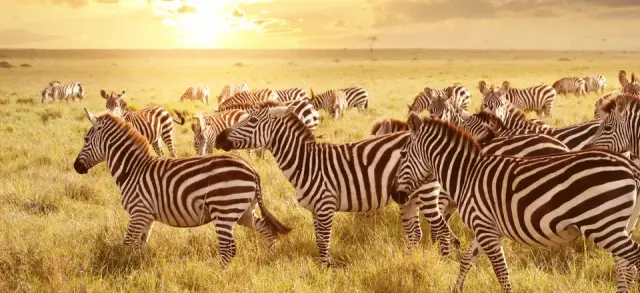
For many travelers, the dream of exploring Africa’s most iconic wildlife reserves means combining Kenya safari tours with Tanzania safari tours. The good news is that this combination is not only possible—it’s one of the most rewarding journeys you can take. Imagine watching the Great Migration from the Maasai Mara in Kenya, then crossing into Tanzania to see wildebeest and zebras continue their journey across the Serengeti.
But to make the most of your trip, you need to be well-prepared for border crossings, visas, and travel documentation. While it may sound complicated, the process is straightforward if you know what to expect. This guide breaks down everything you need to know so your African safari tours are smooth, safe, and stress-free.
Why Combine Kenya and Tanzania on Safari?
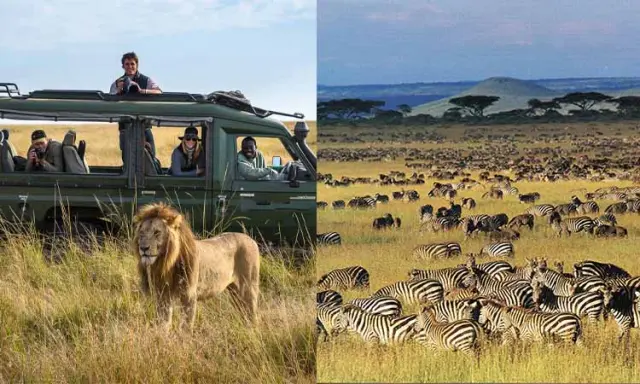
Kenya and Tanzania share not only a border but also some of the richest ecosystems in Africa. The famous Serengeti in Tanzania and Maasai Mara in Kenya are part of the same ecosystem, meaning the wildlife you track moves across both countries.
By combining Kenya safari tours and Tanzania safari tours, you get:
- Two perspectives on the Great Migration.
- A mix of cultures: Maasai communities in both Kenya and Tanzania offer unique insights.
- Varied landscapes: Kenya’s Rift Valley lakes and Tanzania’s Ngorongoro Crater complement each other.
- More game-viewing opportunities with fewer backtracks in your itinerary.
All this makes crossing the border more than a formality—it’s the bridge to a richer safari experience.
The Main Border Crossing Points Between Kenya and Tanzania
When traveling on an organized safari, your guide will usually handle much of the border process. Still, it helps to know the main crossing points used on safari routes:
- Namanga Border (between Nairobi/Arusha route)
- Most common for travelers moving between Nairobi in Kenya and Arusha in Tanzania.
- Ideal if your itinerary links Amboseli National Park with northern Tanzania (Arusha, Tarangire, Serengeti).
- Isebania/Sirari Border (between Maasai Mara/Serengeti route)
- Best for travelers moving directly between Maasai Mara in Kenya and Serengeti in Tanzania.
- Cuts travel time significantly compared to looping back through Nairobi.
- Loitokitok Border
- A smaller post often used for direct access between Amboseli (Kenya) and Kilimanjaro/Arusha (Tanzania).
- Less busy, but not always suitable for every itinerary.
- Taveta/Holili Border
- Connects Tsavo West National Park in Kenya to Moshi/Kilimanjaro in Tanzania.
- Handy if your safari includes both Tsavo and Mount Kilimanjaro.
Knowing which crossing you’ll use helps you prepare paperwork and timing accordingly.
Documentation You’ll Need
Passport
- Your passport must be valid for at least six months beyond your travel dates.
- It should have at least two blank pages for entry/exit stamps (safaris involve multiple crossings).
Visa
- Kenya Visa: Most travelers need an electronic visa (eVisa). Apply online before travel.
- Tanzania Visa: Also available online (eVisa), or you can obtain it on arrival at most entry points.
- East African Tourist Visa: This single visa allows entry to Kenya, Tanzania, and Uganda. It’s cost-effective if you’re visiting more than one of these countries on your African safari tours.
Tip: Always check the latest requirements based on your nationality before traveling.
Vaccination Certificates
- Yellow Fever: Proof of vaccination is often required, especially if arriving from or transiting through a country where yellow fever is present.
- COVID-19 Requirements: Regulations change frequently, so check if proof of vaccination or testing is required at the time of travel.
Travel Insurance
While not a border requirement, proof of travel insurance is strongly recommended. Some safari operators may require it as a condition of booking.
The Border-Crossing Process: What to Expect
- Arrival at the Border
- You’ll usually arrive by safari vehicle. At busy crossings like Namanga, expect lines of trucks and buses.
- Safari guides often assist by directing you to the right counters.
- Exit Formalities
- Stamp out of the country you’re leaving. Officials will check your passport and visa.
- Health Checks
- Present your Yellow Fever vaccination certificate if asked.
- COVID-19 documents (if applicable) may also be checked.
- Visa and Entry Process
- Move to the immigration office of the country you’re entering.
- Present your passport, visa, and supporting documents.
- Pay visa fees if not prepaid online.
- Customs Checks
- Usually minimal for safari travelers. Officials may ask about items like drones, which sometimes require permits.
- Rejoin Your Safari Guide
- Once cleared, you continue your journey seamlessly to the next destination.
The entire process typically takes 30 minutes to 2 hours, depending on traffic and the number of travelers.
Tips to Make Border Crossings Easier
- Travel with USD cash: Some border posts only accept cash payments for visas. Clean, newer notes are best.
- Have documents printed: Even if you applied online for visas or COVID-19 clearance, carry paper copies.
- Be patient: Lines can be long, and procedures may feel slow. Remember—you’re on Africa time!
- Let your safari operator guide you: Reputable safari companies, like Safari Ventures, know the ins and outs of each border. Trust their guidance.
- Stay with your group: Safari groups often process paperwork together for efficiency.
Common Mistakes to Avoid
- Assuming you can re-enter with a single-entry visa: If your itinerary loops back into Kenya after visiting Tanzania, you’ll need either a multiple-entry visa or the East African Tourist Visa.
- Forgetting blank passport pages: Immigration officers may refuse entry if your passport is too full.
- Carrying prohibited items: Some animal products (like ivory or certain skins) are strictly illegal to transport. Even souvenirs made of animal material can cause problems.
- Not checking health requirements in advance: Rules can shift, especially regarding yellow fever and COVID-19.
Why a Guided Safari Makes All the Difference
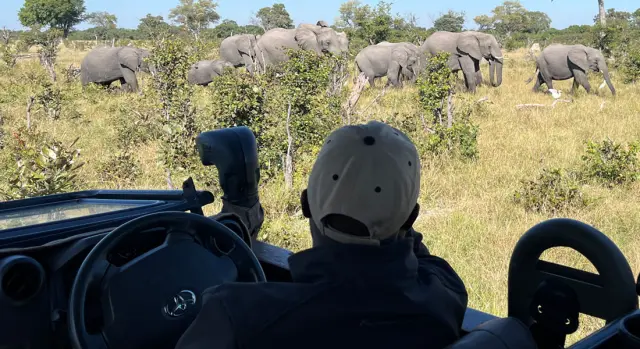
Handling border formalities on your own can feel daunting, especially in unfamiliar countries. By traveling with an experienced operator, you get:
- Pre-arranged visas and permits wherever possible.
- Guides who know the border staff and procedures, helping you move quickly.
- Local expertise to navigate unexpected changes in regulations.
- Peace of mind that your documentation is in order before you even set off.
Safari Ventures has guided thousands of travelers across Kenya–Tanzania borders smoothly. Their experience ensures you spend less time in queues and more time enjoying the wildlife that brought you to Africa.
Final Thoughts
Crossing from Kenya into Tanzania isn’t just paperwork—it’s part of your story. One moment you’re in the Maasai Mara watching lions stalk prey; a few hours later you’re in the Serengeti, surrounded by endless herds. The border crossing is the thread that ties your African safari tours together.
With the right preparation—valid passport, proper visa, vaccination records, and a trusted safari operator—you can move from one country to the next with ease.
So, whether you’re dreaming of Kenya safari tours to Lake Naivasha and Amboseli, or Tanzania safari tours to Ngorongoro Crater and Serengeti, you don’t have to choose. Combine them for the ultimate East African experience.
The wildlife doesn’t stop at the border, and with proper planning, neither does your adventure.
Crossing from Kenya to Tanzania doesn’t have to be stressful. At SafariVentures, we take care of the details — visas, permits, transport, and guided support — so you can focus on the wildlife, not the paperwork.