
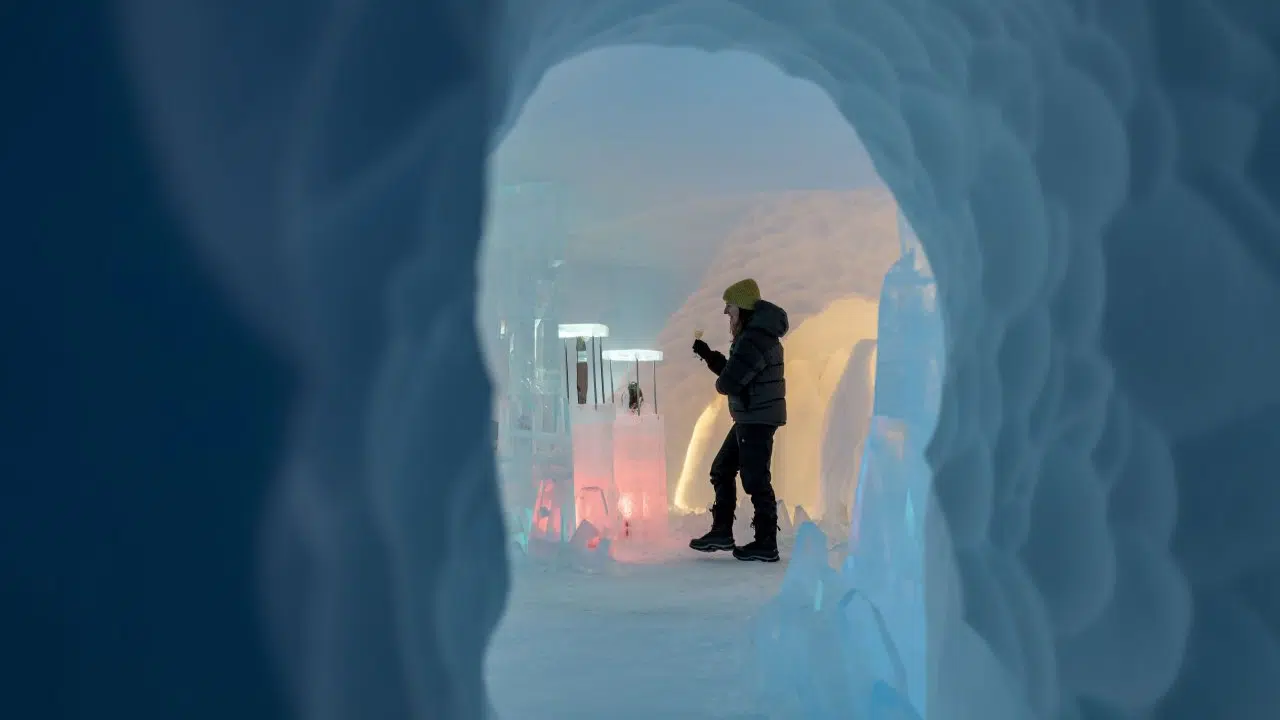
If there’s one adventure that redefines what travel photography can be, it’s the Luxury Safari and Antarctica tour — an experience that takes you from Africa’s golden plains to the icy wilderness of the South Pole.
Imagine photographing a lion silhouetted against a crimson sunset one week and, just days later, capturing penguins waddling across a field of snow-white silence. It’s not just a trip; it’s a photographer’s evolution.
Whether you’re joining our Cape Town to Antarctica safari or exploring our Luxury Antarctica safari package, here’s how to prepare your camera, mindset, and creative eye for the most photogenic expedition of your life.
1. Know the Light — Africa’s Gold vs. Antarctica’s Silver
Light defines every photograph, and this journey gives you two entirely different palettes.
- In Africa:
The light is warm, textured, and often intense. Early mornings and late afternoons — the “golden hours” — are perfect for safari photography. You’ll want to experiment with silhouettes, backlighting, and lens flares as the sun dips behind acacia trees.
Tip: Use a polarizing filter to deepen skies and cut glare during mid-day drives. - In Antarctica:
The light behaves like a dream — soft, reflective, and endless. Since the sun hangs low during the austral summer, you’ll experience near-continuous daylight. This creates a surreal bluish glow ideal for wide landscapes, glaciers, and wildlife close-ups.
Tip: Overexpose slightly (+0.3 to +1 EV) to prevent snow from turning gray in photos.
Together, these environments teach you the art of balancing extremes — golden and glacial, vivid and minimal.
2. Gear Up Smartly (Without Overpacking)
Space on expedition flights can be limited, so your equipment must be strategic.
Essential gear list:
- Primary Camera: A mirrorless or DSLR with at least 20 MP.
- Backup Body: Antarctica isn’t the place for camera failures.
- Lenses:
- 70–200 mm for wildlife
- 24–70 mm for landscapes and people
- 100–400 mm for distant or cautious animals (like leopard or orca)
- Filters: UV and polarizers for the African leg; ND filters for Antarctica’s reflective light.
- Protection:
- Dust covers for safari drives
- Waterproof housings for Antarctic zodiac landings
- Power: Extra batteries and a solar charger — cold drains power fast.
Pro tip: Before your Cape Town departure, test every lens and memory card. There’s no camera shop at the South Pole!
3. Compose for Story, Not Just Spectacle
Anyone can photograph a lion or a glacier — your goal is to tell the story of two worlds meeting.
In Africa
- Frame subjects within context — a herd of elephants under storm clouds, or Maasai herders in silhouette.
- Use the rule of thirds but break it when emotion demands it.
- Capture small details: a paw print in dust, a guide’s binoculars, morning coffee steam on the jeep hood.
In Antarctica
- Play with scale — a single explorer against an endless expanse of ice tells a profound story.
- Incorporate leading lines: ice cracks, mountain ridges, and ship rails.
- Experiment with monochrome to highlight textures of snow and sky.
Every image should remind viewers how wild, fragile, and intertwined these two continents are.
4. Dress for Comfort — and Color Coordination
Photographers often forget the model behind the lens: you.
When joining a Luxury safari and Antarctica tour, you’ll face drastic shifts — from +30°C in Kruger to -20°C on the Antarctic plateau.
- Safari Wear: Neutral tones (khaki, olive, tan) prevent startling wildlife and blend beautifully into landscapes. Avoid pure white or black.
- Antarctica Gear: Bright parkas not only keep you visible for safety but pop wonderfully in photos against the snow.
- Accessories: A thin glove liner lets you handle your camera in the cold without freezing your fingers.
Pro tip: Your outfit becomes part of the color story — plan hues that complement your environment.
5. Mind Your Wildlife Etiquette
Ethical photography is non-negotiable in both destinations.
- Keep Distance:
Respect the “100-foot rule” for big cats and elephants; in Antarctica, stay at least 15 feet from penguins and seals. - No Flash:
It startles animals and flattens your photo. - Stay Quiet & Still:
Silence brings authenticity. Often, your guide will position the vehicle for the perfect shot — trust their instincts.
Safari Ventures’ expert guides are trained photographers themselves. Don’t hesitate to ask them for positioning advice — they know the difference between “good light” and “unforgettable light.”
6. Create a Visual Timeline
Turn your Cape Town to Antarctica safari into a photographic narrative.
- Departure & City Scenes:
Capture Table Mountain, Cape Town’s harbor, or local markets to set the tone. - The Safari Chapter:
Document the rhythm of life — dawn drives, campfire evenings, animal interactions. - The Journey South:
Photograph the aircraft’s transition from green to white — Africa fading into Antarctica. - Antarctic Exploration:
Chronicle ice formations, penguin colonies, and the serenity of untouched snow. - Reflections:
End with portraits of your travel companions or guides — the human element completes the story.
When edited together, your gallery becomes a living diary of two hemispheres connected by wonder.
7. Protect Your Equipment from Extreme Conditions
In Africa:
- Heat and dust are your main enemies.
- Keep lenses capped when not shooting.
- Store gear in padded, ventilated bags.
- Use silica gel packs to absorb moisture during humid nights.
In Antarctica:
- Condensation is the real threat.
- Before re-entering a warm cabin, seal your camera in a plastic bag to equalize temperature slowly.
- Keep batteries inside your jacket to extend life.
- Never place cold lenses near heaters — they may crack.
Remember: proper care keeps your memories sharp and your investment safe.
8. Editing & Workflow on the Go
With limited Wi-Fi and charging options, organization matters.
- Back Up Daily: Use dual-card slots or a portable SSD.
- Culling: Tag your best 5–10 images each day to simplify post-trip editing.
- Mobile Editing: Apps like Lightroom Mobile or Snapseed work offline.
- Color Profiles: For consistency, save presets — one for Africa’s warmth, another for Antarctica’s cool tones.
Once home, merge both sets into a single “Two Continents” collection — a visual masterpiece that tells your journey’s full arc.
9. Capture Emotion — Not Just Environment
The best travel photography isn’t about exotic scenery; it’s about how it feels to stand there.
- Take candid portraits of guides sharing stories or travelers reacting to wildlife.
- Photograph laughter during group dinners or quiet moments during Antarctic silence.
- Include yourself — set up a tripod or hand your camera to a fellow explorer.
Emotion turns good photos into timeless memories.
10. Give Back Through Your Lens
Photography can do more than decorate walls — it can inspire conservation.
- Share your work online with captions that educate: highlight anti-poaching efforts, sustainability practices, or climate change awareness.
- Credit local communities and guides — they are the heartbeat of every image.
- If sharing under #SafariVentures or tagging Safari Ventures’ pages, consider writing about your experience of responsible tourism.
Your journey through Africa and Antarctica is a privilege — let your images speak for the planet you explored.
Final Thoughts
The Luxury safari and Antarctica tour isn’t just another vacation; it’s a rare bridge between two worlds — the pulse of Africa and the peace of Antarctica.
From the vibrant life of the savanna to the stillness of ice, every photograph reminds us that adventure and reflection can coexist in perfect harmony.
When you travel with Safari Ventures, you don’t just visit these places — you belong to them, even if only for a moment behind the lens. So charge your batteries, pack your curiosity, and prepare to capture Earth in its purest contrast.
Two continents. Endless inspiration.
Your Luxury Antarctica safari package awaits.