
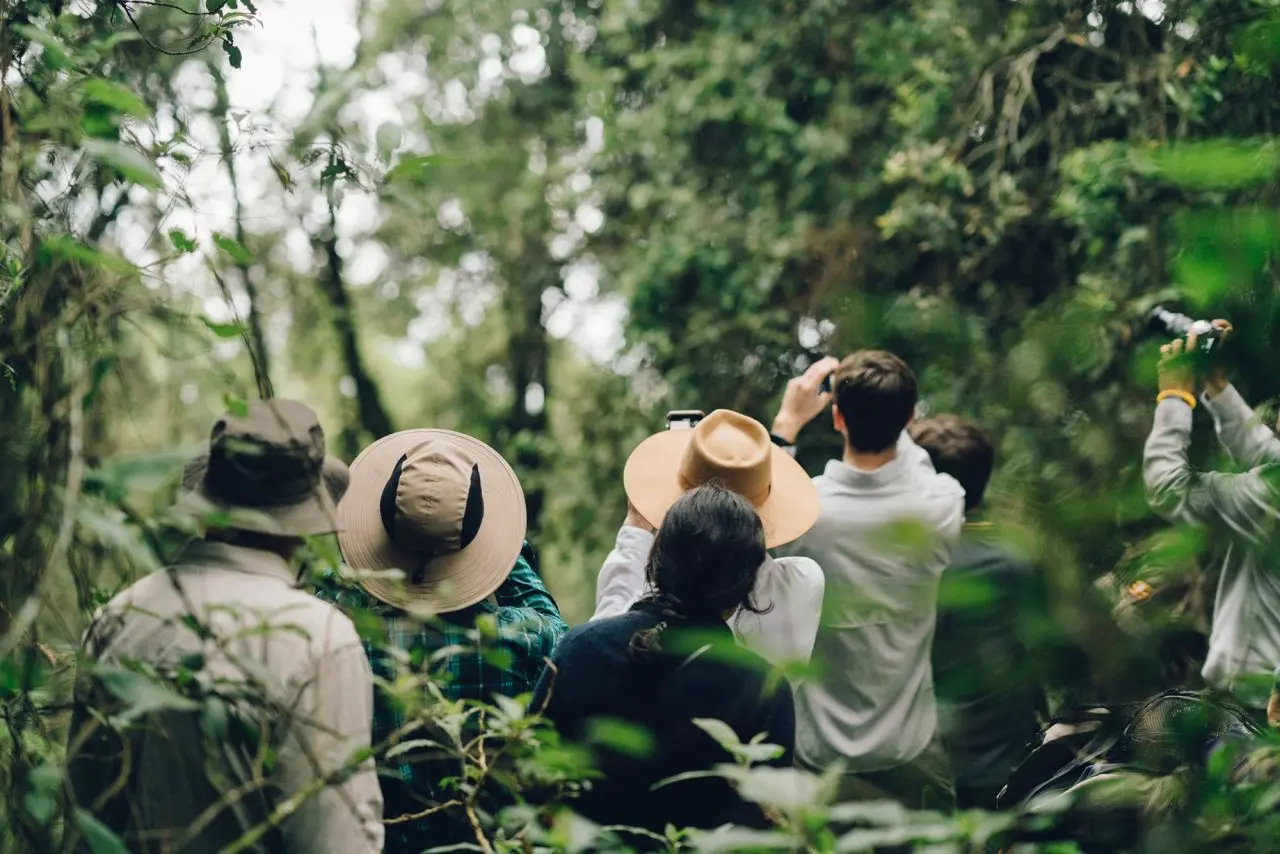
Most countries in East Africa specialise. Rwanda does gorillas. Kenya and Tanzania do open-plains safari. A Uganda safari is unusual because it does several of these things at once, inside a single set of borders, gorilla trekking, chimpanzee tracking, and classic savanna game drives, sometimes within the same week.
That range is really Uganda’s whole pitch. It’s not trying to out-do the Serengeti’s scale or match Rwanda’s trekking infrastructure exactly, it’s offering a different kind of trip, one built on variety rather than depth in any single area.
Bwindi and Mgahinga: Uganda's Gorillas
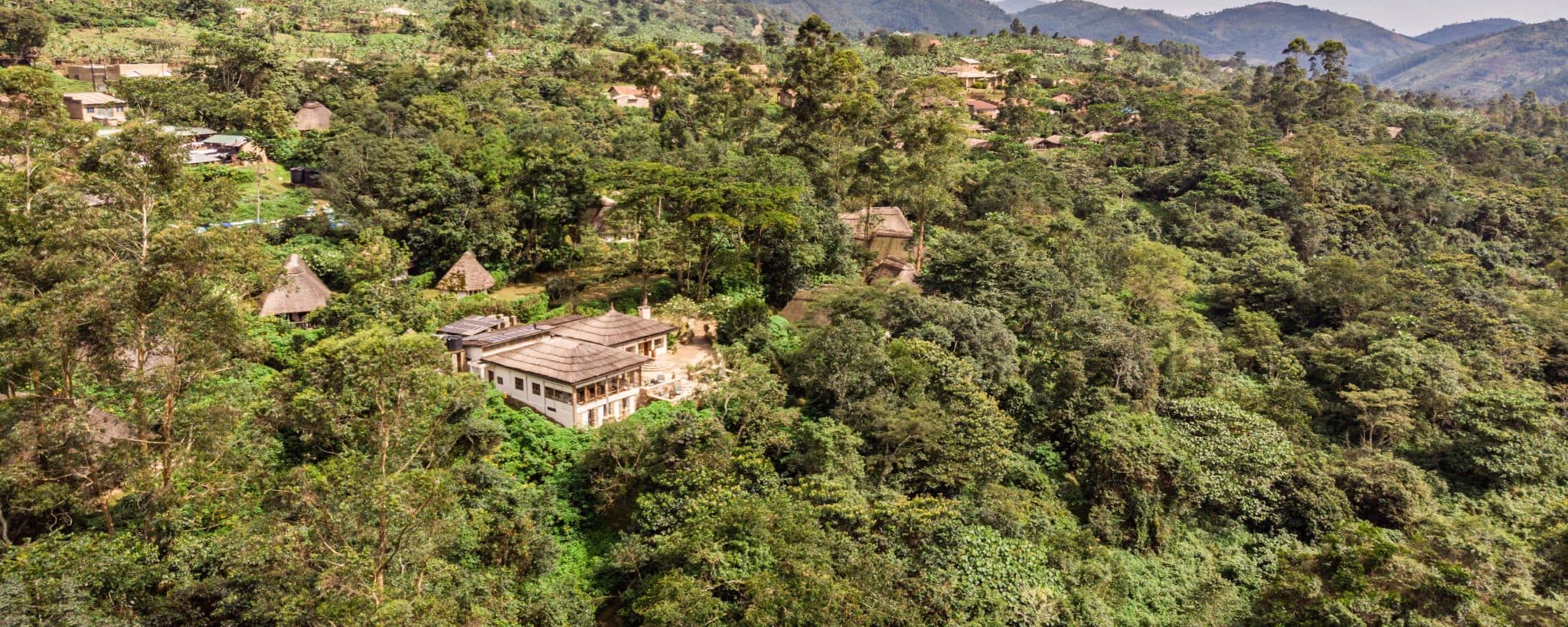
Bwindi Impenetrable National Park, a dense 321 km² of ancient rainforest in Uganda’s southwest, holds roughly half of the world’s remaining mountain gorilla population, split across the country’s side of the Virunga Massif along with the smaller Mgahinga Gorilla National Park nearby.
The trekking experience itself is close to Rwanda’s, early starts, steep and often muddy terrain, one hour with the gorilla family once trackers locate them, though Bwindi’s forest is thicker and older, and the going can be tougher underfoot as a result. Permits here run considerably less than Rwanda’s, which is one reason Uganda has become the more budget-conscious route into gorilla trekking without sacrificing the encounter itself.
Kibale Forest: Chimpanzee Tracking
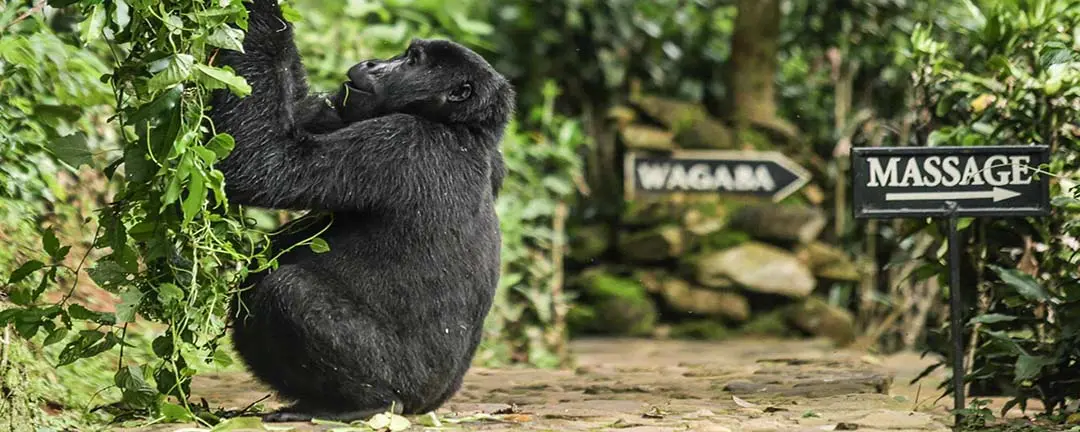
Kibale is Uganda’s answer to gorilla trekking, but for chimpanzees. The forest holds one of the highest primate densities in Africa, with an estimated 1,500 chimpanzees living within the park alongside eleven other primate species, including the striking red colobus monkey.
Tracking chimps is a faster-paced experience than gorilla trekking, chimps move constantly through the canopy, so groups often cover more ground and encounters tend to be shorter but more animated, closer to genuine forest theatre than the quieter, more settled gorilla encounters.
Queen Elizabeth National Park
For classic savanna safari, Queen Elizabeth National Park delivers open grassland, crater lakes, and the Kazinga Channel, a natural waterway connecting Lake Edward and Lake George that draws some of the densest hippo populations in Africa along its banks.
Its most distinctive residents, though, live in the park’s southern Ishasha sector: tree-climbing lions, a genuine behavioural rarity, since lions elsewhere in Africa rarely bother scaling trees at all. Nobody has fully settled why Ishasha’s lions do it, theories range from escaping biting insects at ground level to simply keeping a better vantage point over the plains, but the sight of a pride draped over the low branches of a fig tree is one of Uganda’s most photographed moments for good reason.
Fitting It All Into One Trip
Because Bwindi, Kibale, and Queen Elizabeth sit within a few hours’ drive of each other in Uganda’s southwest, it’s genuinely possible to cover gorillas, chimps, and open-plains safari within a single ten- to twelve-day itinerary, something that would take considerably more flying to replicate across Rwanda, Kenya, and Tanzania combined.
That efficiency is Uganda’s real advantage. It won’t out-scale the Serengeti or out-refine Rwanda’s trekking infrastructure, but for travellers who want maximum variety without maximum travel days, it’s hard to match.
Permits and Timing
Gorilla and chimp permits are managed separately and both should be booked well ahead of travel, particularly during the dry seasons from June to September and December to February, when trekking conditions are easiest. The Uganda Wildlife Authority manages permit allocation for both.
Uganda or Rwanda for Gorillas?


Since both countries share the same gorilla population across the same mountain range, the decision often comes down to budget, pace, and what else you want from the trip. Read the Rwanda gorilla trekking guide for a direct comparison, or see the East Africa safari guide for how Uganda fits into a wider regional itinerary.